


Listen to the article
Video of Police Arrest in Madhya Pradesh Falsely Linked to Noida Workers’ Protest
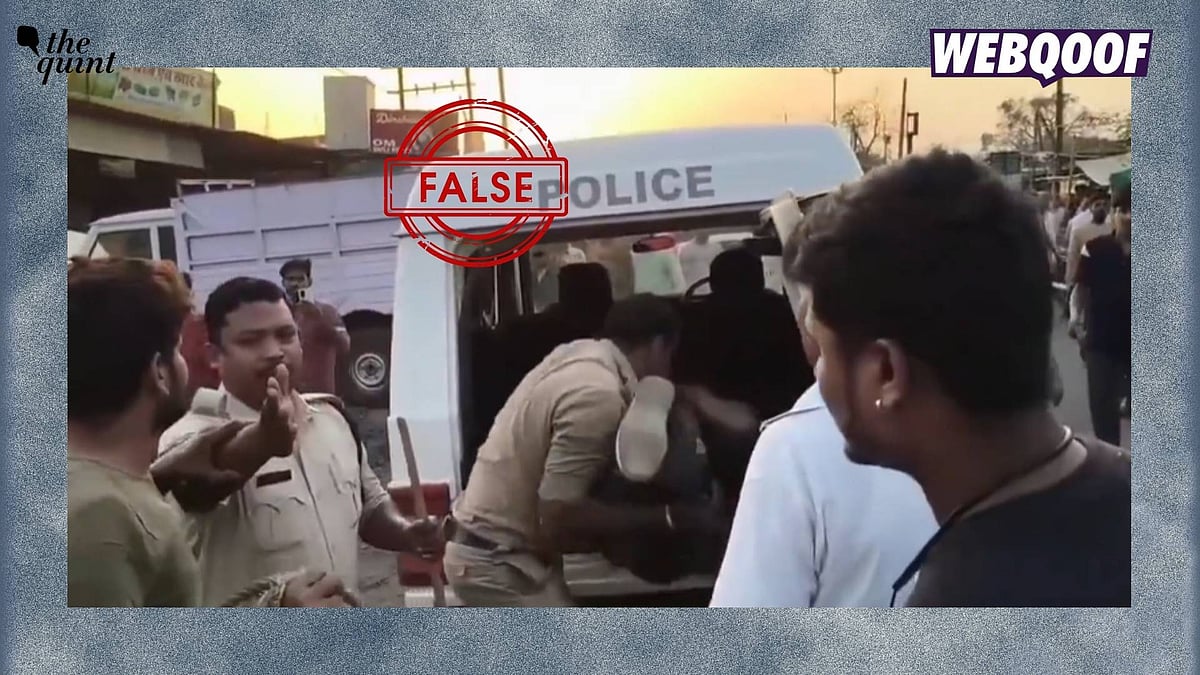
A viral video showing police officers forcefully detaining a man has been misattributed on social media as depicting police brutality against an employee participating in the ongoing workers’ protest in Noida. An investigation reveals the footage actually shows an unrelated incident from Madhya Pradesh’s Shahdol district.
The video, which has gained significant traction across social media platforms, shows officers forcefully pushing a man into a police van and kicking him. Multiple users have shared the footage with captions suggesting it depicts authorities cracking down on striking workers in Noida’s industrial sector, where labor unrest has made headlines in recent weeks.
Fact-checking efforts using reverse image search technology revealed the true origin of the footage. According to a report published by Dainik Bhaskar, the incident occurred in Shahdol district, Madhya Pradesh, where local police were responding to a disturbance at an electronics shop. The report indicates that the man in the video was allegedly intoxicated and had vandalized the establishment before police arrived at the scene.
The mischaracterization of the video comes amid heightened tensions in Noida, where workers across multiple industries have been demonstrating for improved working conditions, better wages, and formal recognition of unions. The industrial hub, located in Uttar Pradesh’s Gautam Buddh Nagar district, has seen escalating protests in recent weeks as labor disputes remain unresolved.
Labor experts note that such misattributed videos can inflame tensions during already sensitive periods of industrial action. “Misinformation during labor disputes can be particularly damaging,” explains Dr. Ramesh Sharma, a labor relations specialist at Delhi University. “It can undermine legitimate grievances, radicalize peaceful protests, or create false narratives that benefit neither workers nor management.”
This incident highlights a growing trend of contextual misinformation, where genuine footage is repurposed to support unrelated claims. Digital rights activists have pointed to such cases as examples of how visual evidence can be manipulated not through technical means but through misleading framing and descriptions.
The ongoing labor situation in Noida represents one of the region’s most significant industrial relations challenges in recent years. The manufacturing hub, home to numerous domestic and multinational companies, has seen growing worker mobilization as employees seek to address concerns regarding contract labor practices, wage disparities, and working conditions.
Police in Noida have increased their presence around industrial areas as a precautionary measure but have maintained that most demonstrations have remained peaceful. Officials have urged the public to verify information before sharing potentially inflammatory content on social media.
This case underscores the importance of media literacy and source verification, particularly during periods of social tension. As visual content continues to drive engagement on social platforms, the context and provenance of such material become increasingly critical to understanding unfolding events.
Local authorities in Shahdol have not issued any additional statements regarding the original incident depicted in the video, and it remains unclear what charges, if any, were filed against the individual shown being detained.
As the workers’ protest in Noida continues to evolve, stakeholders on all sides have emphasized the need for dialogue based on factual information rather than misleading narratives that could undermine prospects for resolution.
Fact Checker
Verify the accuracy of this article using The Disinformation Commission analysis and real-time sources.

12 Comments
It’s concerning to see how easily this video was misattributed online. Fact-checking is crucial to maintain public trust and avoid escalating labor conflicts based on misinformation. I hope the authorities can work constructively with the Noida workers to address their legitimate grievances.
Agreed. Responsible journalism and social media moderation are key to combating the spread of misinformation, particularly around sensitive issues like worker rights and protests.
It’s concerning to see how quickly unverified footage can spread online and be used to misrepresent important labor issues. While worker protests deserve attention, responsible reporting and fact-checking are essential to avoid the escalation of conflicts based on misinformation. I hope the authorities in Noida can work constructively with the workers.
Absolutely. Maintaining accuracy and context is crucial, especially when it comes to sensitive topics like labor disputes. Fact-checking and responsible sharing of information should be the top priority to avoid further inflaming tensions.
This incident highlights the importance of verifying the source and context of viral videos before sharing them, especially when they relate to labor disputes. While workers’ protests deserve attention, spreading unconfirmed footage can undermine legitimate concerns. I hope the reporting helps provide a more accurate picture.
Well said. Fact-checking is critical to maintain trust and avoid inflaming tensions. Proper verification of information, especially on sensitive topics, should be a priority for all media consumers and content creators.
Interesting that this video was falsely connected to the Noida workers’ strike. It’s important to verify the facts before spreading unverified claims, especially when it comes to labor disputes and potential police misconduct. I’m curious to learn more about the actual circumstances behind this incident in Madhya Pradesh.
Agree, proper fact-checking is crucial to avoid the spread of misinformation. It’s good that the report was able to clarify the true origin of the footage.
This is a good example of how social media can be used to spread false narratives. While workers’ protests are an important issue, it’s vital that we rely on verified information rather than unsubstantiated videos. I hope the authorities take steps to address the actual labor concerns in Noida.
Well said. Responsible reporting and fact-checking are essential, especially on sensitive topics like labor disputes. Spreading unconfirmed footage can inflame tensions rather than inform the public.
This is a valuable lesson in the importance of verifying information, especially when it comes to issues like worker protests. While social media can bring important issues to light, the spread of unconfirmed footage can undermine legitimate concerns and inflame tensions. I hope the authorities in Noida can work collaboratively with workers to address their grievances.
Well said. Responsible journalism and fact-checking are essential to ensure accurate reporting and prevent the spread of misinformation, particularly on sensitive topics. Maintaining context and verifying sources should be a priority for all media consumers and creators.