


Listen to the article
Viral Video of “Racist Cop” Confronting Black FBI Agent Exposed as AI-Generated Fake
A video circulating on social media claiming to show a confrontation between a “racist cop” and a Black FBI agent at a coffee shop has been proven entirely fabricated, highlighting growing concerns about AI-generated misinformation on platforms like Facebook and YouTube.
The deceptive video began spreading in November 2025 when a Facebook page called Bowmayladastory shared what appeared to be police body camera footage with the caption: “Racist Cop Kicks Out a Black FBI Agent From Coffee Shop — Now It’s Costing Him $6 Million.” The post attributed the content to a YouTube channel called “Bodycam Justice Files.”
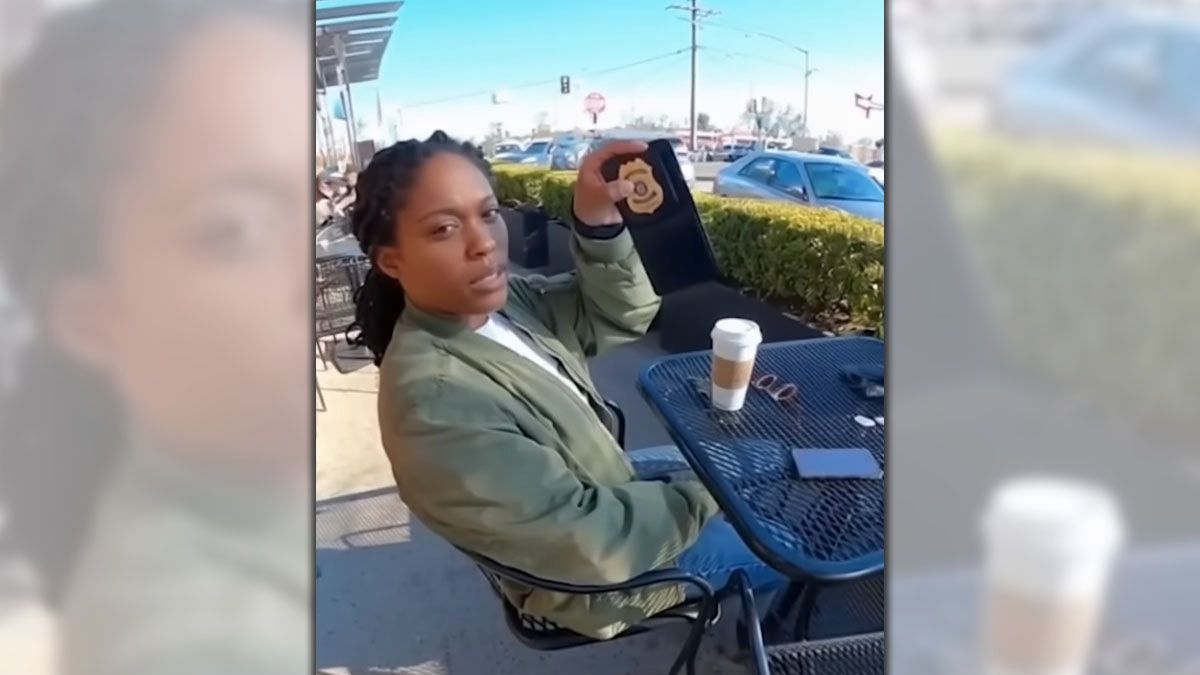
In the initial 15-second clip, viewers see a male officer approach a Black woman sitting with a coffee cup outside a café. “You need to leave. Now,” the officer demands. When she questions why, he responds, “Manager says you’re making people uncomfortable. You’re trespassing.” The woman then presents an FBI badge and identifies herself as a federal agent.
The video continues for another 23 minutes with a narrator expanding on what viewers supposedly witnessed. According to the voiceover, the incident involved Seattle police Officer Craig Bartlett and 16-year FBI veteran Jennifer Monroe during a confrontation at a downtown Seattle coffee shop.
Comprehensive investigation revealed no credible evidence supporting this narrative. Searches across multiple platforms—including Bing, Google, DuckDuckGo, and Yahoo—found no news reports about any such incident in Seattle or involving individuals with those names. No legitimate media outlets covered the supposed “$6 million lawsuit” or “major police reforms” the video claimed resulted from the incident.
Several technical elements expose the content as AI-generated. The initial interaction lasts precisely 15 seconds, consistent with limitations of certain AI video generation tools. The dialogue between the characters exhibits unnaturally fast, forceful speech patterns typical of AI-generated content from late 2025. Despite claims the incident occurred in downtown Seattle, no urban skyline or tall buildings appear in the background.
The woman’s behavior in the clip also appears unnatural—she displays her FBI badge approximately five seconds before verbally identifying herself as a federal agent, an illogical sequence that human interactions would rarely follow.
The YouTube channel hosting the original video, Bodycam Justice Files, included a vague disclaimer stating the content was “for educational and documentary purposes only” and that “all footage and information shown are from credible public sources.” Notably, the disclaimer carefully avoided acknowledging the video’s AI-generated nature while attempting to create an impression of legitimacy.
This fake video represents just one example in a troubling trend. Both the YouTube channel and Facebook page regularly publish similar content following the same formula: a brief AI-generated clip followed by a lengthy narration over still images. Other viral examples include fabricated scenarios like “Racist Neighbor Calls 911 on Black Man Moving In – He’s the Boston Police Chief” and “City Cop Pulls Over Black U.S. Marshal – Ends His Own Career.”
These videos consistently feature the same technical hallmarks: precisely 15-second AI-generated introduction clips, unnaturally forceful dialogue, and sensationalized narratives designed to trigger emotional responses.
When contacted via Messenger for comment about their inauthentic content and potential monetization, the Bowmayladastory Facebook page administrators did not respond. The YouTube channel provided no contact information for inquiries.
The proliferation of such sophisticated fake videos poses growing challenges for social media users attempting to distinguish between authentic and fabricated content, particularly when AI-generated material is designed to exploit racial tensions and law enforcement controversies to maximize engagement and sharing.
Fact Checker
Verify the accuracy of this article using The Disinformation Commission analysis and real-time sources.

10 Comments
While the specific incident may have been fabricated, the broader issue of racial bias in law enforcement is very real and deserves continued attention and action. I hope this case leads to productive dialogue and meaningful reform.
I’m curious to learn more about the investigation into this incident and how the authorities plan to tackle the issue of AI-generated misinformation. It’s a worrying trend that needs to be addressed proactively.
It’s disheartening to see how easily false narratives can spread online, especially when they touch on sensitive topics like race relations. This underscores the critical need for robust fact-checking and media literacy efforts.
This story raises important questions about the evolving landscape of online content and the responsibility of platforms, creators, and consumers to combat the proliferation of misinformation. Maintaining trust in information sources is vital.
This is a troubling example of the potential consequences of AI-powered disinformation. I hope the relevant authorities take strong action to identify the source of this fabricated video and prevent similar incidents in the future.
While the original video may have been fabricated, the underlying issue of potential racial bias in law enforcement is a valid concern that deserves attention and discussion. Transparency and accountability are key to addressing these complex societal problems.
This highlights the growing challenge of distinguishing real from fake content online. It’s crucial that we all remain vigilant and verify information before sharing it, to avoid contributing to the spread of misinformation.
Absolutely, fact-checking is so important these days. With the rise of AI-generated content, we need to be extra careful about what we believe and share.
The spread of AI-generated misinformation is a concerning trend that undermines public discourse and erodes trust in institutions. I’m glad the authorities are investigating this incident, and I hope they can find effective ways to address the problem.
Interesting story. It’s concerning to see AI-generated misinformation being spread online, especially when it involves accusations of racism. I hope the authorities can address this effectively to prevent further incidents.