


Listen to the article
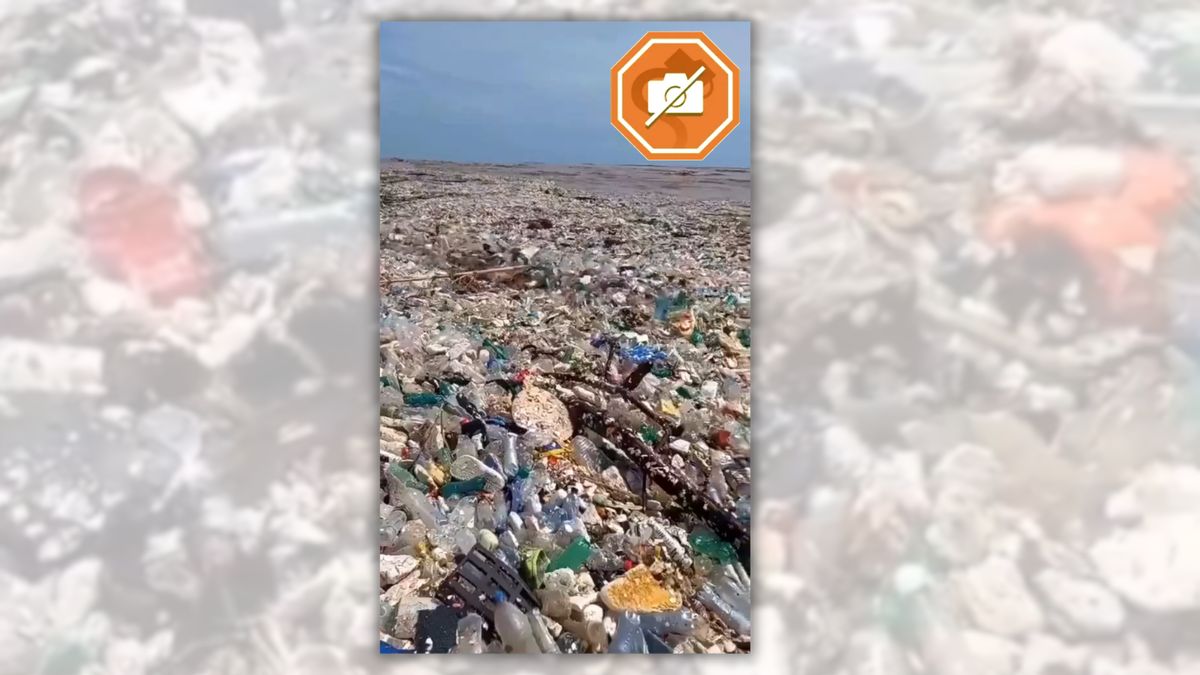
In a case of digital misinformation that spread rapidly across social media platforms, a viral video purporting to show severe plastic pollution along an Indian shoreline has been confirmed as miscaptioned. The footage, which depicts water so densely packed with plastic waste that waves are barely visible, was falsely attributed to India in posts that appeared online in late April 2026.
The video gained significant traction when several users on X (formerly Twitter) shared it with xenophobic commentary. One user provocatively asked, “Do you really want to give millions of residency visas to the people from India who do this to their own country?” – clearly attempting to connect the environmental disaster with immigration policy debates.
However, fact-checking efforts have revealed that while the disturbing footage is authentic, it was not filmed in India. A reverse image search traced the video to its original source: conservation organization 4Ocean, which first published the recording in June 2022. According to 4Ocean’s documentation, the footage shows Guatemala’s Rio Motagua, not any location in India.
The organization later posted follow-up content on Instagram demonstrating their cleanup efforts along the same shoreline, showing a dramatic transformation of the previously waste-choked waters. Independent verification confirmed neither video shows signs of artificial intelligence manipulation or digital editing.
Environmental experts familiar with the Rio Motagua basin have identified it as one of the world’s most significant sources of ocean plastic pollution. The Ocean Cleanup, another marine conservation organization that conducted its own remediation project in the area during 2022, described the Rio Motagua as “the heaviest polluting river on our planet.” Their research estimated this single river system contributes approximately 2% of all plastic pollution entering global oceans.
While the video was miscaptioned in its recent circulation, experts note that plastic pollution remains a serious environmental challenge worldwide. Rivers contaminated with plastic waste and other pollutants exist across the planet, including in both India and the United States. Environmental agencies from both nations have previously collaborated on knowledge-sharing initiatives aimed at cleaning their respective polluted waterways.
This incident highlights the ongoing problem of misinformation spreading through social media, particularly content designed to stoke negative sentiments toward specific countries or communities. The original poster’s attempt to connect the environmental disaster with immigration policy demonstrates how miscaptioned media can be weaponized to support political narratives.
Environmental advocacy groups emphasize that addressing plastic pollution requires global cooperation rather than finger-pointing. The Ocean Cleanup and similar organizations continue to develop technologies for intercepting plastic waste before it reaches oceans, while promoting waste management improvements in riverside communities.
This is not the first instance of miscaptioned environmental imagery circulating online. Fact-checking organizations have previously identified similar cases where authentic footage of environmental disasters was incorrectly attributed to generate outrage or advance political agendas.
As digital media consumption increases, experts recommend viewers approach dramatic environmental imagery with healthy skepticism, seeking verification from established environmental organizations or conservation groups before sharing content with potentially misleading captions.
Fact Checker
Verify the accuracy of this article using The Disinformation Commission analysis and real-time sources.

14 Comments
This fact check serves as an important reminder that we can’t always take viral videos or social media posts at face value. Verifying the source and context is essential, especially when it comes to sensitive environmental issues. I’m glad the true location was identified.
Absolutely. In today’s digital landscape, it’s all too easy for misinformation to spread rapidly. Responsible reporting that investigates the facts is crucial to avoid perpetuating harmful narratives.
Interesting to see the facts behind this viral video. It’s concerning that misinformation can spread so quickly, especially when it involves complex environmental issues like pollution. I’m glad the true location was identified.
Yes, it’s important to verify the accuracy of such impactful visuals before drawing conclusions. Responsible reporting and fact-checking are crucial to avoid fueling harmful narratives.
This fact check highlights the need for nuance and care when discussing complex environmental issues. While the footage is concerning, rushing to judgment without proper context can lead to harmful narratives. I’m glad the true source was identified.
Well said. Maintaining objectivity and relying on verified information is crucial, especially when it comes to sensitive topics that can be politically charged.
While the footage is certainly disturbing, I’m glad the journalists were able to trace it back to the correct location in Guatemala. Misattributing environmental issues to specific countries can lead to harmful narratives, so fact-checking is crucial.
I agree. It’s important to approach these complex topics with nuance and objectivity, rather than jumping to conclusions that can fuel harmful stereotypes or political agendas.
It’s unfortunate that this video was misattributed and used to push a xenophobic agenda. I’m glad the journalists were able to trace it back to the correct location in Guatemala. Fact-checking is so important these days.
Absolutely. Spreading misinformation, even unintentionally, can have real-world consequences. Responsible reporting that verifies sources is critical.
This fact check highlights the importance of not jumping to conclusions based on limited information. While the footage is disturbing, it’s good that the original source was properly identified and the context clarified.
You’re right, context is key when it comes to sensitive environmental issues like this. Knee-jerk reactions can often do more harm than good.
This is a good example of why we need to be very careful about the information we share, especially on social media. It’s all too easy for misinformation to spread, even when the original content is legitimate. Fact-checking is so important.
Absolutely. In today’s digital landscape, verifying sources and context is critical before amplifying any content, even if it aligns with our preconceptions. Responsible information sharing is key.