


Listen to the article
In a case of digital misinformation ahead of crucial elections, a viral video purportedly showing Central Reserve Police Force (CRPF) personnel taking action against Trinamool Congress (TMC) workers in West Bengal has been exposed as false.
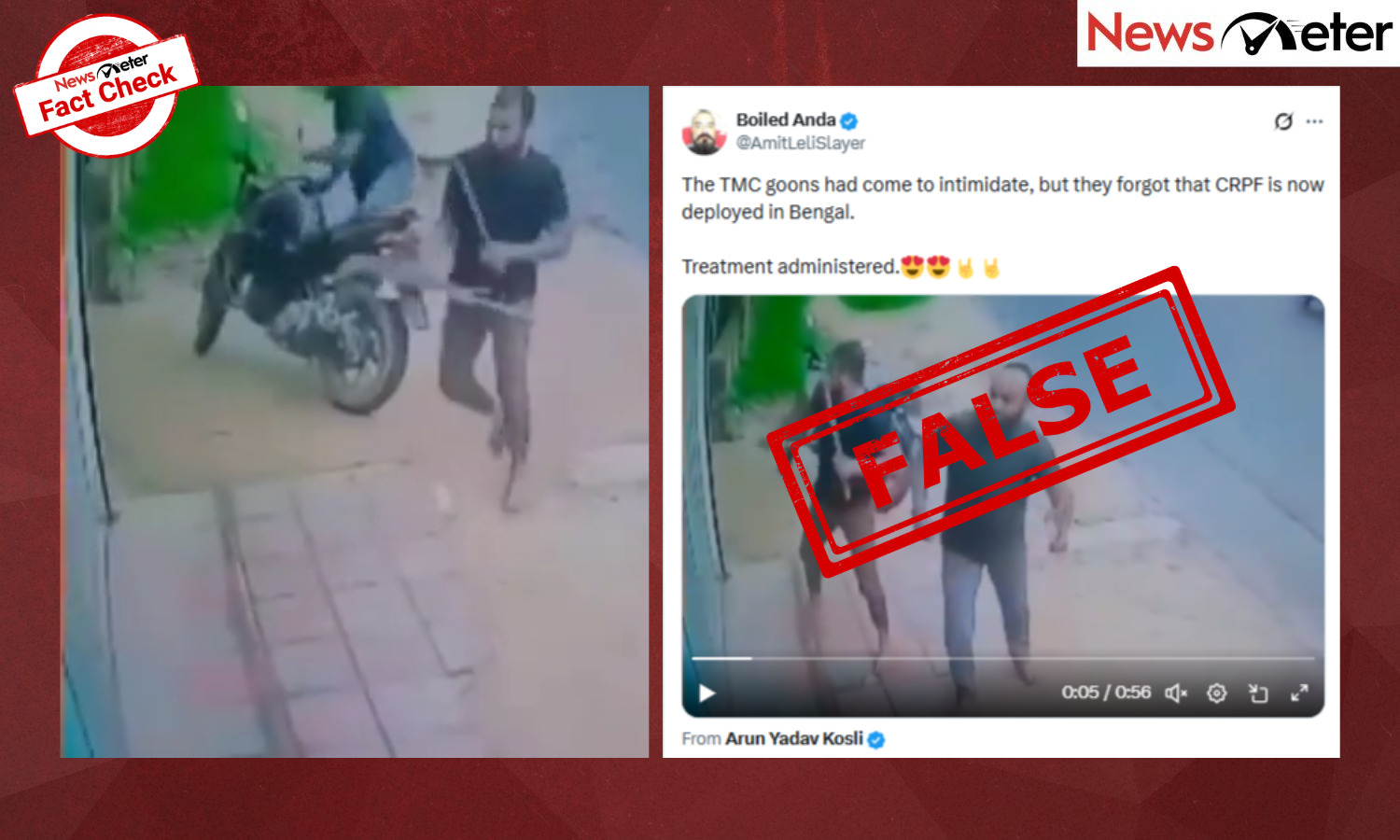
The video, which has been widely circulated on social media platforms including Facebook and X (formerly Twitter), shows CCTV footage of armed men in military uniforms apprehending individuals who were attempting to break into a shop using axes. The miscreants are seen surrendering immediately when confronted by the armed personnel.
Multiple social media users shared the clip with captions suggesting it showed CRPF forces deployed in West Bengal taking action against “TMC goons” ahead of the state’s assembly elections, with the first phase of polling scheduled for April 23. One user on X wrote, “The TMC goons had come to intimidate, but they forgot that CRPF is now deployed in Bengal. Treatment administered.”
However, a fact-check investigation by NewsMeter has conclusively determined that the video has no connection to West Bengal or Indian politics. The footage actually originates from Bangladesh and documents an incident that occurred in August 2024.
Through reverse image searches of key frames from the video, investigators traced the original content to Bangladeshi media outlets. Independent Television published the footage on YouTube on August 17, 2024, describing it as showing Bangladesh Army personnel catching criminals attempting to break into a shop. Another local media organization, Kalbela News, similarly reported the incident as Army personnel intercepting shop looters.
According to Bangladeshi news reports dated August 18, 2024, the two detained individuals were identified as Md. Tutul Hossain, 28, reportedly a Jubo Dal worker from Boalmari, and Dukhu Mia, 30. The reports detail how the pair arrived at the shop on a motorcycle, one armed with an axe and the other with a machete, before attempting to force entry by striking the shop’s shutter.
The timing of this misinformation is particularly significant given the heightened political tensions surrounding the West Bengal assembly elections. Security concerns have been a major focus in the state’s electoral process, with the Election Commission often deploying central forces including the CRPF to maintain order during polling.
False claims about security forces’ actions can potentially influence voter sentiment and escalate tensions between political parties in an already polarized environment. West Bengal has previously witnessed electoral violence, making security arrangements a sensitive issue for all stakeholders.
This incident highlights the growing challenge of election-related misinformation in India’s digital ecosystem. As social media platforms become increasingly influential in shaping public opinion, the spread of contextually manipulated videos can have serious implications for democratic processes.
Media literacy experts emphasize the importance of verifying sources and cross-checking information before sharing content, especially during sensitive periods like elections. Fact-checking organizations continue to play a crucial role in debunking false narratives that could otherwise influence public perception and potentially impact electoral outcomes.
As West Bengal prepares for its upcoming polls, authorities have urged citizens to rely on official sources for information regarding security arrangements and to report instances of misinformation that could disrupt the electoral process.
Fact Checker
Verify the accuracy of this article using The Disinformation Commission analysis and real-time sources.

13 Comments
It’s concerning to see how easily misleading videos can spread on social media platforms. This highlights the need for robust fact-checking mechanisms to combat the rise of digital misinformation.
Absolutely. Fact-checking initiatives play a vital role in maintaining the integrity of information shared online, especially around sensitive political issues. This case demonstrates the importance of verifying content before amplifying it.
This is a good example of how social media can be used to spread disinformation, even around sensitive political issues. Kudos to the fact-checkers for identifying the true origin of the video.
Yes, verifying the source and context of online content is so important, especially when it relates to elections or political topics. This case shows how easily misinformation can go viral if not properly fact-checked.
Interesting fact-check on the misleading video. It’s important to verify the source and context of online content, especially around elections. This highlights the need for greater media literacy and fact-checking efforts to combat misinformation.
Agreed. Spreading unverified claims, even with good intentions, can contribute to the spread of misinformation. Fact-checking is crucial for maintaining public trust and informed discourse.
It’s concerning to see how quickly misinformation can spread on social media, even around sensitive political topics. This fact-check is a valuable contribution to maintaining the integrity of information and promoting informed decision-making.
Agreed. Fact-checking initiatives play a crucial role in combating the spread of digital misinformation and ensuring the public has access to reliable, verified information. This case highlights the ongoing challenges in this space.
The spread of this misleading video highlights the ongoing challenge of combating digital misinformation. It’s encouraging to see fact-checkers actively working to debunk false claims and maintain the integrity of information.
This is a timely reminder of the importance of critical thinking and fact-checking when consuming online content, especially during election periods. Kudos to the investigators for uncovering the true origins of this misleading video.
Well said. Fact-checking is crucial for ensuring the public has access to accurate and reliable information, which is essential for informed decision-making in a democracy.
This case demonstrates the need for greater media literacy and fact-checking efforts to empower citizens to critically evaluate online content, especially around politically charged issues. Kudos to the investigators for their diligence.
Absolutely. Fact-checking is a vital safeguard against the proliferation of misinformation, which can have serious consequences for public discourse and democratic processes. This case underscores the importance of media literacy education.