


Listen to the article
Celebrity Confrontation of Trump at Immigration Town Hall Exposed as Fabricated Story
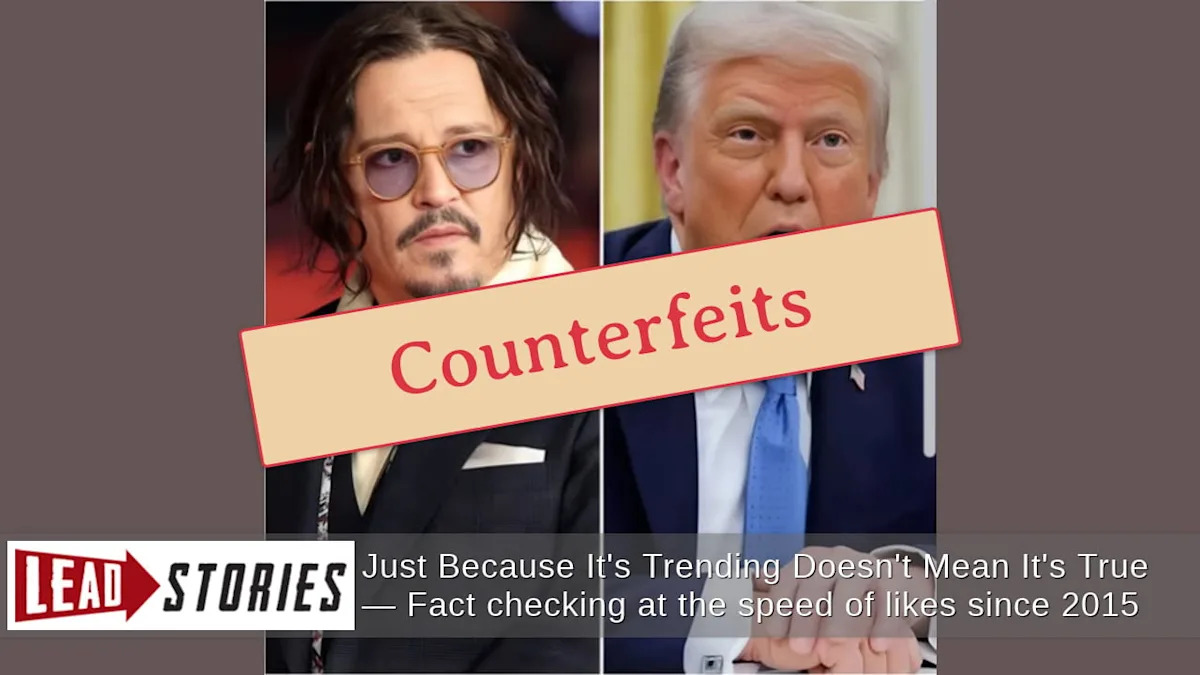
A widely circulated claim that Johnny Depp confronted former President Donald Trump about immigration policies during a live town hall meeting has been debunked as entirely fictitious. The false narrative, which claimed Depp told Trump “You’re tearing families apart and calling it policy. Shame on you,” is part of a sophisticated network of AI-generated misinformation originating primarily from Vietnam.
Fact-checkers identified the story after it appeared on Facebook through “The Black Pearl Post” on December 27, 2025. The post described a dramatic confrontation where Depp allegedly “shocked the nation” by challenging Trump’s mass deportation plans during an event moderated by CNN’s Jake Tapper.
According to Facebook’s page transparency information, “The Black Pearl Society” – the page promoting the story – is managed from Vietnam and Brazil. This Vietnam connection is particularly noteworthy as digital forensics experts have previously identified the Southeast Asian country as a major hub for AI-generated false stories targeting American audiences.
The fabricated article included vivid but fictional details, claiming Depp caused “17 agonizing seconds” of silence after his supposed confrontation and continued with an impassioned speech: “These people you dismiss? They feed this country, build this country, hold this country together while you sign papers like it costs you nothing.”
What makes this case particularly remarkable is the industrial scale of the operation. The same basic narrative has been replicated across dozens of Facebook pages and websites, each substituting different celebrities as the protagonist confronting Trump. A search of the specific phrase “You’re tearing families apart and calling it policy. Shame on you” revealed nearly identical stories featuring over 40 different celebrities, including Eminem, Cher, Paul McCartney, James Hetfield, Andrea Bocelli, Gene Simmons, and Smokey Robinson.
The operation also targeted sports figures, with versions featuring professional golfer Scottie Scheffler, hockey player Connor McDavid, football player Josh Allen, and football coach Matt LaFleur. Even politicians like former Transportation Secretary Pete Buttigieg were inserted into the fabricated confrontation.
Comprehensive searches across legitimate news outlets returned no evidence that any such town hall or confrontation occurred. When fact-checkers examined the official social media accounts of celebrities allegedly involved, no mentions of the supposed confrontation could be found.
This case exemplifies an increasingly sophisticated form of misinformation that cybersecurity experts have dubbed “Viet Spam” – mass-produced false narratives designed to generate engagement and ad revenue. The operation typically involves creating networks of fake fan pages that leverage celebrity names and politically divisive topics to maximize social media interaction.
Digital literacy advocates recommend several strategies for identifying such content, including checking page transparency information, cross-referencing claims with legitimate news sources, and being skeptical of emotionally charged stories that aren’t reported by mainstream media outlets.
As social platforms continue to struggle with AI-generated misinformation, experts advise users to exercise heightened vigilance around political content, particularly stories featuring unlikely confrontations between celebrities and political figures.
Fact Checker
Verify the accuracy of this article using The Disinformation Commission analysis and real-time sources.

16 Comments
This fact check is a timely reminder of the need to be skeptical of online content, especially when it seems too sensational or unbelievable. Verifying sources is crucial.
Agreed. The Vietnam connection is particularly concerning and suggests a coordinated effort to target American audiences. We must remain vigilant against such disinformation campaigns.
This story serves as a reminder that not everything we see online, even from seemingly credible sources, can be taken at face value. Verifying information is crucial.
I agree. The Vietnam connection is particularly concerning, as it suggests a coordinated campaign to target American audiences with false narratives. We must remain vigilant.
This fact check highlights the need for increased media literacy and fact-checking efforts to combat the growing threat of AI-generated misinformation. It’s a concerning trend that requires vigilance.
I agree. The Vietnam connection is particularly troubling and suggests a coordinated campaign to target American audiences. We must remain diligent in identifying and exposing such false narratives.
Interesting fact check. It’s concerning how sophisticated these AI-generated misinformation campaigns can be. I’m glad the story was debunked, but it highlights the need for vigilance in verifying online content.
Agreed, the Vietnam connection is particularly concerning. We need to be wary of these coordinated disinformation efforts, especially when they target American audiences.
It’s disheartening to see how easily misinformation can spread, even when it’s completely fabricated. This highlights the importance of fact-checking and media literacy.
Absolutely. The use of AI-generated content to create these false stories is quite alarming. We must be diligent in identifying and combating such tactics.
The sophistication of these AI-generated misinformation campaigns is truly concerning. It’s a sobering reminder of the importance of critical thinking and fact-checking in the digital age.
Absolutely. The ability of these false narratives to spread so quickly is alarming. We must continue to educate the public on media literacy and the signs of potential misinformation.
The use of AI-generated content to spread disinformation is quite troubling. It underscores the need for robust media literacy and critical thinking skills among the public.
Definitely. As technology advances, so too must our ability to discern truth from fiction. Fact-checking is an essential tool in the fight against online falsehoods.
This is a good example of the challenges we face in the digital age. Fact-checking is crucial to combat the spread of false narratives, even those that seem plausible at first glance.
Absolutely. I’m glad to see the diligence of fact-checkers in exposing this fabricated story. We must remain vigilant against misinformation from any source.