


Listen to the article
Treasury Secretary Links Beef Price Spike to Disease Carried by Cattle Smuggling
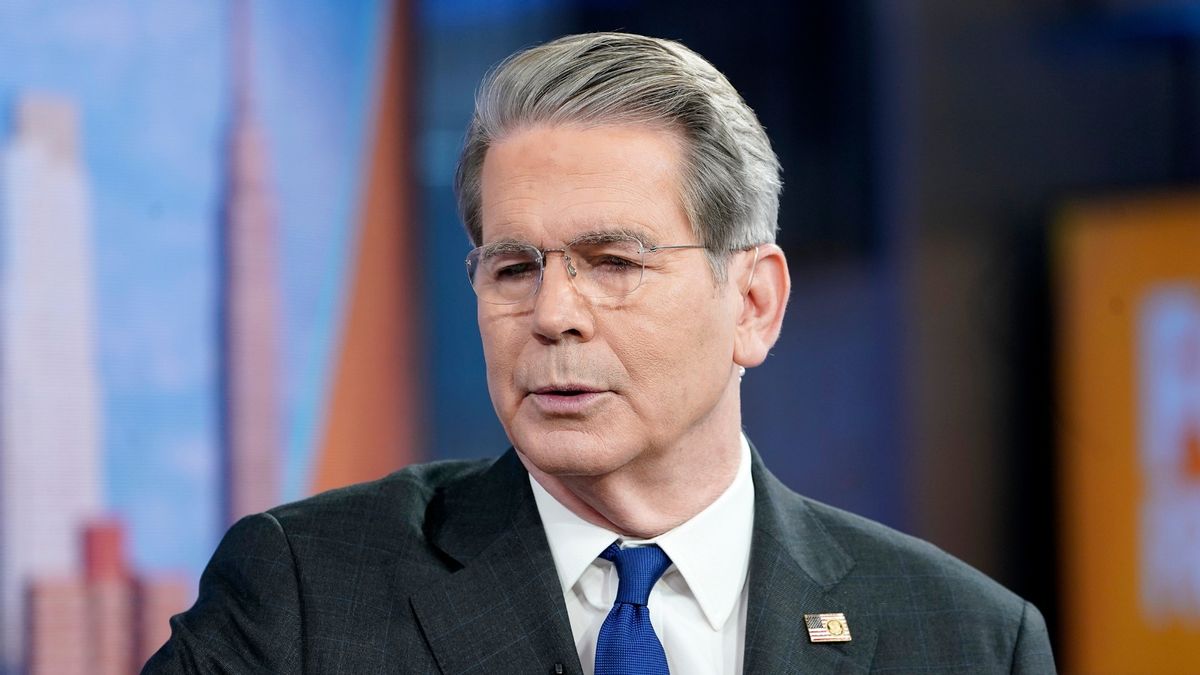
U.S. Treasury Secretary Scott Bessent sparked controversy in November 2025 when he linked rising beef prices to the spread of cattle disease through cross-border livestock movement. In an interview with Fox News host Maria Bartiromo, Bessent stated that “because of the mass immigration, a disease that had been — we’ve been rid of in North America made its way up through South America, you know, as these migrants brought some of their cattle with them.”
The statement quickly went viral across social media platforms, garnering nearly 6 million views on X (formerly Twitter), with some users sharing AI-generated images depicting immigrants pushing cattle across the U.S.-Mexico border.
While Bessent’s comments accurately referenced a genuine agricultural crisis, experts indicate his characterization of the problem contained significant misrepresentations. The disease in question, screwworm, had indeed reappeared in Mexico after a 30-year absence, with the first case confirmed on November 23, 2024, according to the Wildlife Conservation Society.
However, research from the National Autonomous University of Mexico attributes the resurgence not to migrants, but to organized cattle smuggling operations moving livestock from Central America into Mexico. The study mapped several smuggling routes that align with the geographical progression of the disease, noting that the distances involved were too great for natural animal movement.
InSight Crime, a think tank specializing in organized crime in the Americas, has documented illegal cattle breeding operations in Nicaragua, Honduras, and Guatemala, with animals subsequently smuggled into Mexico. Their research specifically points to “criminal networks” as responsible for the trafficking, not migrants fleeing their countries of origin.
The U.S. Department of Agriculture responded to the threat by suspending Mexican beef imports in May 2025 and later implementing a plan to assist Mexico in combating the screwworm outbreak. The parasite poses a serious threat to livestock populations and has prompted urgent calls for regional collaboration on biosecurity measures.
Agricultural economists point out that while the disease outbreak and import restrictions have affected market dynamics, the primary driver of record-high beef prices in the U.S. is actually President Donald Trump’s tariff policy. Experts cited by CNBC identified tariffs imposed on major beef exporters including Brazil, Uruguay, Australia, and New Zealand as the key factor pushing prices upward.
On November 14, 2025, President Trump announced tariff reductions on beef and other food products in response to mounting consumer pressure over grocery costs. Omaha Steaks CEO Nate Rempe had previously warned that ground beef prices could reach $10 per pound if market conditions continued.
The screwworm issue highlights broader regional challenges in agricultural security. Beyond disease spread, the illegal cattle trade is linked to deforestation in protected natural reserves and money laundering operations, according to InSight Crime’s investigations.
The controversy surrounding Bessent’s comments reflects the complex intersection of agricultural policy, border security, and international trade relations facing the administration. While his statement correctly identified a resurgent livestock disease affecting North American beef supplies, his attribution of the problem to migrants rather than organized smuggling operations mischaracterizes the nature of the threat according to scientific and law enforcement sources.
As beef prices remain elevated, officials continue working to address both the immediate supply chain disruptions and the underlying biosecurity vulnerabilities exposed by the screwworm’s return to North America after three decades of successful eradication efforts.
Fact Checker
Verify the accuracy of this article using The Disinformation Commission analysis and real-time sources.

7 Comments
The connection between migrant workers, cattle smuggling, and disease spread seems like a stretch. While the disease resurgence is concerning, the Secretary’s comments appear to be an oversimplification of a complex issue. I’d like to see a more nuanced analysis.
Yes, knee-jerk political rhetoric often misses important nuances. A thorough, data-driven investigation would be helpful to understand the real drivers behind the beef price spike and disease outbreak.
Interesting development regarding the cattle disease issue. It’s important to get the facts right, as misinformation can be damaging. I’m curious to learn more about the actual causes and factors behind the price spike.
Agreed, transparency and accuracy are crucial when it comes to public policy discussions that impact consumers and industries. I hope the experts can provide a clear, balanced assessment of the situation.
As someone who follows the commodity markets, I’m curious to see how this situation unfolds. Beef prices are a sensitive issue for consumers, so it’s important the government provides clear, fact-based information to avoid fueling further tensions.
As an investor in mining and energy stocks, I’m always interested in how geopolitical and regulatory developments can impact commodity prices and supply chains. This beef price story is a good reminder that we need to look beyond the headlines to understand the full picture.
This is a complex issue that deserves a careful, impartial examination. While the disease resurgence is concerning, directly blaming migrants seems like an oversimplification. I hope the authorities can get to the root of the problem without scapegoating vulnerable groups.