


Listen to the article
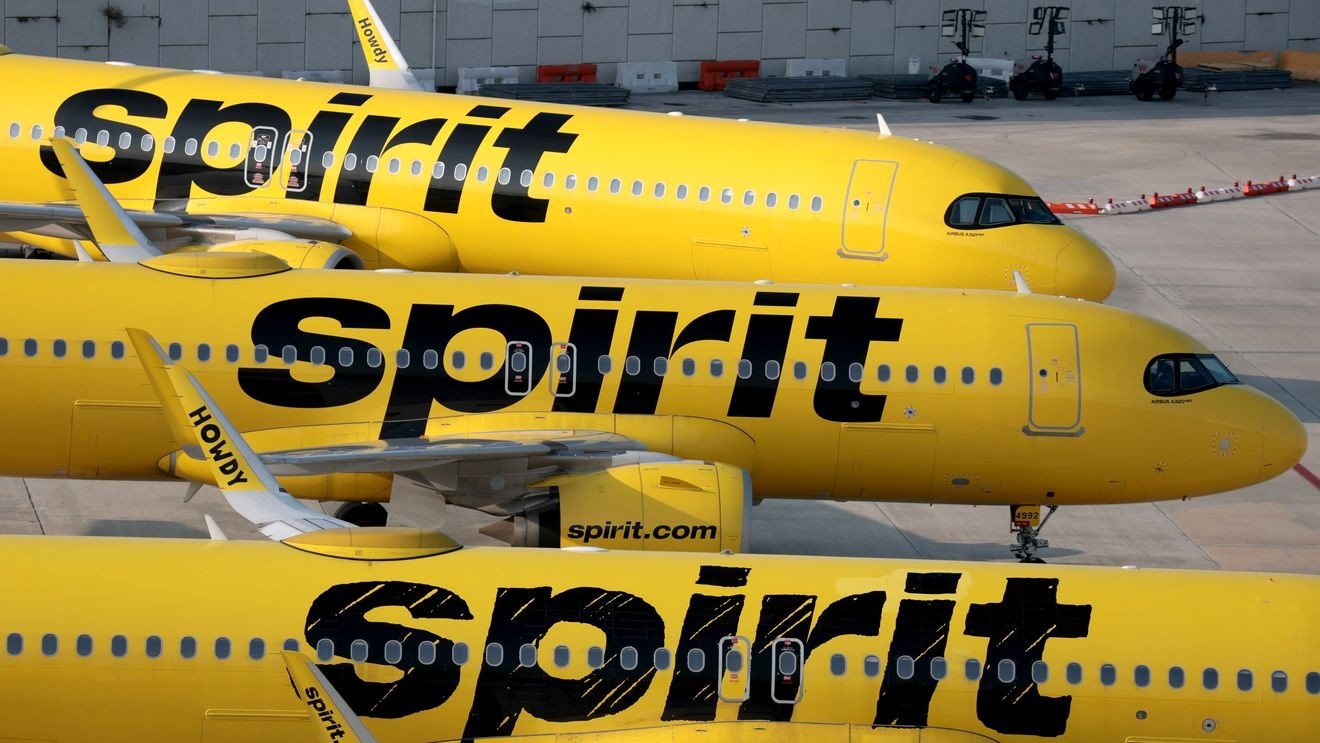
WASHINGTON — After more than three decades in the air, Spirit Airlines is shutting down and grounding its bright yellow planes for good, leaving a significant gap in America’s budget travel market.
The carrier announced an “orderly wind-down” of operations, effective immediately. Spirit advised customers not to go to the airport, confirmed all flights had been canceled, and noted that customer service was no longer available.
Spirit blamed the shutdown on a sharp rise in fuel prices that hit while the company was already struggling to restructure its business. The airline had reached a restructuring plan with bondholders in March, but according to Spirit’s attorneys, “sudden and sustained” increases in fuel costs left the company needing hundreds of millions in additional liquidity it simply couldn’t secure.
During bankruptcy court proceedings on Tuesday, Spirit’s legal representation stated bluntly that the spike in jet fuel prices left the airline with “no remaining way out” of bankruptcy.
Though Spirit held just 3.4% of the domestic passenger-mile market share, making it the eighth-largest domestic operator, its impact on the aviation industry far exceeded its size. The carrier played an outsized role in keeping airfares low across the board, particularly for budget-conscious travelers.
By comparison, the “Big Four” carriers—Delta, American, Southwest and United—collectively control nearly 69% of the domestic market. Spirit’s aggressive pricing strategy forced these larger competitors to offer competitive fares, especially on routes where budget travelers had limited options.
Last-minute efforts to save the airline reportedly included discussions about potential federal intervention. Reuters reported that the Trump administration had proposed a $500 million bailout package to help Spirit exit bankruptcy, but the plan faced resistance from some creditors. White House economic adviser Kevin Hassett later explained that administration lawyers determined the legal authorities being explored wouldn’t apply in Spirit’s case.
For stranded passengers, the immediate impact is devastating—canceled flights and lost deposits with no recourse through the company’s customer service channels. Images of frustrated travelers consulting their phones at airports have become commonplace, with many scrambling to book alternative transportation at significantly higher costs.
Aviation analysts worry the longer-term consequences could be even more concerning. Spirit’s disappearance leaves the U.S. travel industry with fewer low-cost competitors, potentially driving up ticket prices and reducing route options, especially to smaller markets that major carriers serve less frequently.
Official data from the Bureau of Transportation Statistics indicates the average domestic itinerary airfare in 2025 was $387, down 1.8% from 2024 after adjusting for inflation. However, these figures don’t include the increasingly common ancillary fees for baggage, seat assignments, and other services—costs that can significantly increase the final price travelers actually pay.
This pricing structure, where airlines separate the base fare from additional services, has already become standard industry practice. Without Spirit’s ultra-low-cost pressure, major carriers may have even less incentive to keep their base fares competitive.
The remaining budget or lower-cost carriers in the U.S. market include Frontier, Allegiant, Avelo, Breeze, Sun Country, Southwest and JetBlue. However, Spirit occupied a unique position as a national no-frills airline that made air travel accessible to passengers willing to sacrifice amenities for affordability.
Industry experts point out that consolidation has been a consistent trend in the U.S. airline industry for decades. Spirit itself had been the target of acquisition attempts, with JetBlue previously showing interest before antitrust concerns derailed those discussions.
For communities that relied heavily on Spirit’s service, particularly in Florida where the carrier maintained a significant presence, the economic impact extends beyond just higher airfares. Tourism officials in destinations like Fort Lauderdale, where Spirit was headquartered, now face the prospect of reduced visitor numbers as affordable flight options diminish.
As travelers absorb this latest shake-up in the aviation landscape, one thing appears certain: the bright yellow planes that once symbolized the democratization of air travel have made their final descent, leaving American skies a bit less competitive and potentially more expensive for budget-conscious flyers.
Fact Checker
Verify the accuracy of this article using The Disinformation Commission analysis and real-time sources.

11 Comments
The bankruptcy proceedings will be crucial in determining Spirit’s future. I hope the airline can find a way to restructure and potentially resume service.
Agreed, the bankruptcy process will be important in shaping what happens next for Spirit. It’s an uncertain time for the company and its stakeholders.
Bankruptcy is always a difficult situation. I hope Spirit’s employees and customers are able to transition smoothly as the airline winds down.
The sharp rise in fuel prices seems to be the main culprit behind Spirit’s woes. I hope the company can find a way to restructure and resume operations.
Agreed, the fuel cost increases were likely a major strain. It’s unfortunate they couldn’t secure the additional liquidity needed.
This is an unfortunate development for the aviation industry. Spirit played an important role in providing affordable travel options for many consumers.
This is surprising news about Spirit Airlines. I wonder what the broader impact will be on the budget travel market and competition in the industry.
Yes, Spirit’s shutdown could create challenges for budget-conscious flyers. It will be interesting to see how other low-cost carriers respond.
It’s always concerning to see an airline shut down operations. I wonder what factors contributed to Spirit’s financial challenges beyond just the fuel costs.
While Spirit only had a small market share, its impact on budget travel was significant. This shutdown could create opportunities for competitors to expand.
That’s a good point. Other low-cost carriers may now have an opening to gain more market share in the budget segment.