


Listen to the article
Fact Check: False Viral Claim About Hillary Clinton and Senator Kennedy Confrontation
A widely circulated social media claim alleging a heated exchange between former Secretary of State Hillary Clinton and Republican Senator John Kennedy of Louisiana has been thoroughly debunked as fabricated content, according to fact-checkers.
The viral posts, which began appearing across multiple platforms in November 2025, described a supposed Senate hearing where Clinton allegedly attempted to “silence” Kennedy, only for the Louisiana senator to respond with what one post dramatically called “a calculating smile and a series of receipts that would make history.”
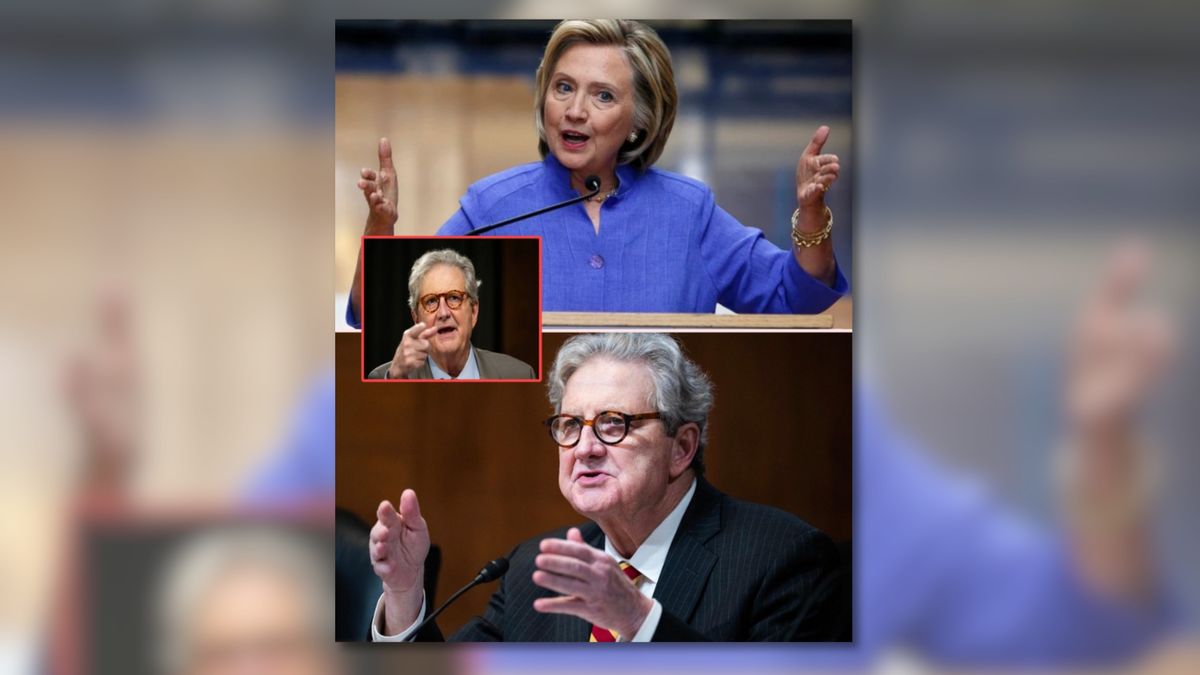
Multiple Facebook pages, including one titled “David Attenborough Fans,” shared sensationalistic versions of the claim with headlines such as “Hillary Clinton Tries to Silence Senator Kennedy – What Happens Next Will Shock You.” The posts typically included photos of Clinton and Kennedy engaged in conversation, suggesting they depicted the alleged confrontation.
Investigation by fact-checkers found no credible evidence that such an exchange ever occurred. Comprehensive searches across major search engines including Google, Bing, Yahoo, and DuckDuckGo revealed no legitimate news coverage of Clinton testifying at any recent Senate hearing, let alone one involving a confrontation with Senator Kennedy.
The absence of reporting from established news organizations is particularly telling, as any contentious exchange between such high-profile political figures would have generated substantial media coverage from multiple outlets. Clinton, as a former Secretary of State and presidential candidate, remains a newsworthy figure whose public appearances typically receive significant attention.
Digital forensic analysis suggests the fabricated story bears hallmarks of AI-generated content designed primarily to drive traffic to obscure WordPress blogs through embedded links in the social media posts’ comment sections. One such blog post was attributed to an author with the suspicious name “Cristiano Messi” – an apparent amalgamation of famous soccer players Cristiano Ronaldo and Lionel Messi.
This type of misinformation represents a growing trend of politically charged, fabricated content designed to exploit existing political divisions and generate advertising revenue. The content creators typically use artificial intelligence tools like ChatGPT to produce text and image generation software to create convincing visuals that support their false narratives.
Media literacy experts note that Senator Kennedy has become a frequent subject of such fabricated political content. A similar AI-generated claim that Kennedy had “executed” several Democratic leaders during a C-SPAN appearance was previously debunked by fact-checkers.
The proliferation of this type of content highlights the increasing challenge of distinguishing authentic political news from manufactured stories designed purely for engagement and profit. Social media users are advised to verify political claims through multiple credible sources before sharing, particularly when posts contain sensationalist language and link to unfamiliar websites.
As AI-generated content becomes more sophisticated, media literacy advocates emphasize the importance of checking whether major news outlets have covered a purported political event before accepting social media claims at face value.
The Clinton-Kennedy fabrication joins a growing list of AI-generated political misinformation that has gained traction online, underscoring the ongoing challenge of maintaining information integrity in an increasingly complex digital media landscape.
Fact Checker
Verify the accuracy of this article using The Disinformation Commission analysis and real-time sources.

14 Comments
This fact check is a good example of the importance of verifying information before sharing it. It’s easy for false claims to spread rapidly online, so it’s crucial that we all take the time to fact-check.
This fact check serves as a valuable lesson in the importance of critical thinking and fact-checking. Spreading unverified information, even inadvertently, can contribute to the spread of misinformation.
Interesting fact check. It’s important to be vigilant about verifying claims, especially those involving high-profile political figures. Fact-checking is crucial to combat misinformation and maintain trust in news sources.
Agreed. Fabricated stories can spread rapidly online, so it’s good to see diligent efforts to debunk them.
This fact check highlights the importance of critical thinking and verifying information, especially when it comes to high-profile political figures. Maintaining integrity in news reporting is crucial.
Well said. Fact-checking holds news sources accountable and helps readers distinguish truth from fiction.
It’s concerning to see how easily misinformation can spread online. Kudos to the fact-checkers for taking the time to thoroughly investigate this claim and set the record straight.
I’m glad to see that fact-checkers were able to quickly debunk this fabricated claim. It’s a good reminder to approach viral social media posts with skepticism and do our own research.
This is a good reminder to always check the facts before sharing or believing viral claims, no matter how sensational they may seem. Fact-checking is an essential part of responsible news consumption.
Absolutely. Spreading unverified information, even inadvertently, can contribute to the larger problem of misinformation. Fact-checking is crucial.
Disinformation can be a real problem, so it’s reassuring to see efforts to combat it through rigorous fact-checking. This article is a valuable resource for discerning truth from fiction.
Agreed. Fact-checking is an essential tool for maintaining the integrity of news reporting and public discourse.
It’s concerning to see how misinformation can gain traction, even around high-profile political figures. I’m glad to see that fact-checkers were able to quickly identify and debunk this fabricated claim.
Yes, it’s a good reminder that we need to be vigilant about the information we consume and share, especially on social media.