


Listen to the article
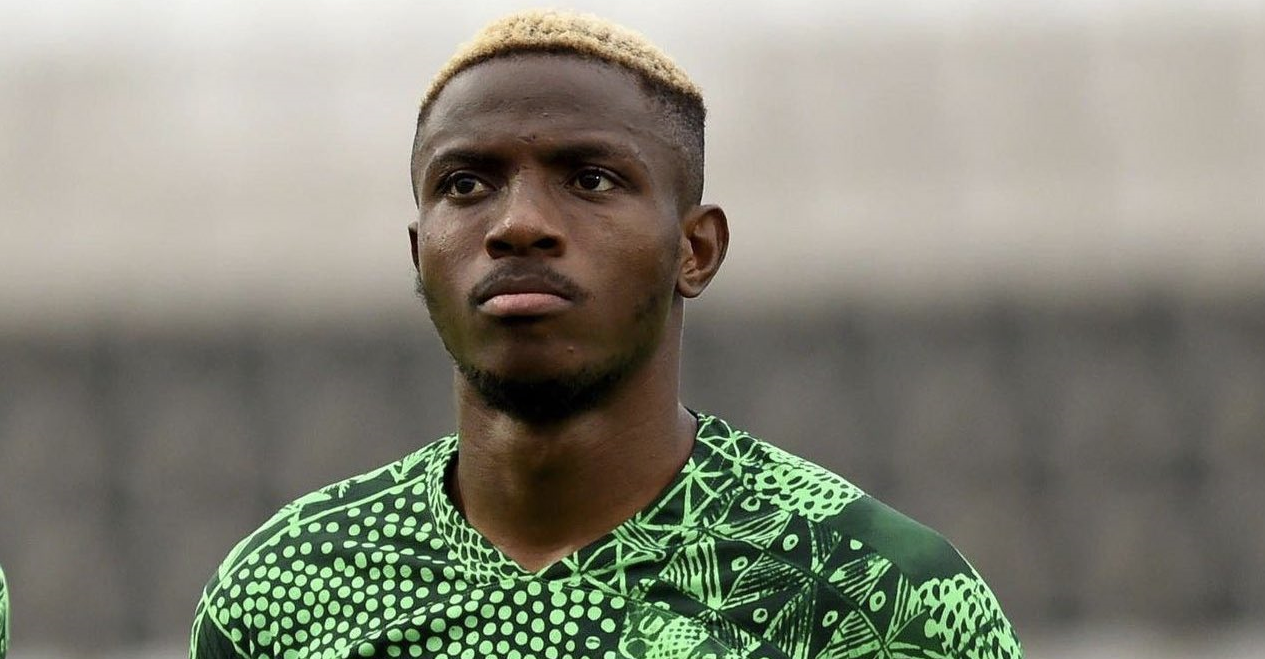
Social Media Post Falsely Claims Osimhen Received FIFA Drug Ban
A viral social media claim that Nigerian football star Victor Osimhen has been suspended for violating anti-doping regulations has been debunked as entirely false, following verification by multiple sources.
The claim, which appeared on the X platform (formerly Twitter) from user @boutmoney112 on February 1, gained significant traction with over 386,200 views and 1,500 likes. The post alleged that the Super Eagles striker had received a 25-game suspension for violating “FIFA’s anti-drug policy” and went on to warn Nigerian celebrities against drug use.
“Victor Osimhen has been suspended for 25 games for violating FIFA’s anti-drug policy. Nigerian celebrities should stop using drũgs,” read the social media post that sparked the unfounded rumor.
The allegation carries particular weight given Osimhen’s prominence in international football. The 27-year-old striker is currently the second-highest goalscorer for Nigeria’s national team and holds the distinction of being the most expensive Nigerian footballer in history. His importance to Nigerian football has been highlighted during the past two Africa Cup of Nations (AFCON) tournaments, where he led the Super Eagles to consecutive podium finishes—securing silver in Côte d’Ivoire and bronze in Morocco.
At the club level, Osimhen plays a pivotal role for Turkish giants Galatasaray, who broke their domestic transfer record to secure his signature for €75 million last summer following a successful loan spell. During his initial season with the club, he made significant contributions to their domestic double, winning both the league championship and cup competition.
However, a thorough verification process revealed no evidence supporting the claim of a drug violation or subsequent suspension. Since the alleged post on February 1, Osimhen has participated in two matches for Galatasaray, even scoring twice—activity that directly contradicts the suspension claim.
Comprehensive checks of official websites belonging to FIFA, UEFA, Galatasaray, and the Turkish Football Association showed no mention of any disciplinary action against the Nigerian international. Furthermore, no credible media outlets have reported any story involving Osimhen and anti-doping violations.
The false claim comes at a time when footballers face increasing scrutiny both on and off the pitch, with social media often becoming a breeding ground for unverified information. High-profile athletes like Osimhen, who has become one of Africa’s most recognizable sporting figures, frequently find themselves targets of misinformation campaigns.
Football’s governing bodies have strict anti-doping measures in place, with FIFA conducting regular testing at international competitions and working with national associations to maintain the integrity of the sport. Any actual suspension for a doping violation would have been widely reported and officially announced through proper channels.
The spread of such false information highlights the growing challenge of misinformation in sports journalism, where viral claims can rapidly gain traction without factual basis. For professional athletes, these unfounded allegations can potentially damage reputations and commercial relationships if left unchallenged.
For Osimhen, who continues to perform at a high level for both club and country, the false claim appears to have had minimal impact on his career trajectory as he remains focused on his on-field responsibilities with Galatasaray and the Nigerian national team.
Based on all available evidence, the verdict is clear: the claim that Victor Osimhen received a 25-game suspension for violating FIFA’s anti-drug policy is categorically false.
Fact Checker
Verify the accuracy of this article using The Disinformation Commission analysis and real-time sources.

7 Comments
The details in this fact check are helpful in understanding the context and refuting the initial social media claim. It’s important to rely on credible sources when it comes to sensitive issues like this.
Glad to see this fact check debunking the false reports about Osimhen’s FIFA ban. Unfounded rumors like these can really damage a player’s reputation, so it’s important to set the record straight.
It’s good that multiple sources have verified the claim about Osimhen’s drug test is false. Spreading misinformation, especially around high-profile athletes, can have serious consequences. Fact-checking is crucial in today’s media landscape.
Agreed. Responsible journalism and media literacy are so important to combat the spread of false information online.
This is a good example of why we need to be cautious about unverified social media posts, especially those making serious allegations. Fact-checking is crucial to prevent the spread of misinformation.
Absolutely. The speed and reach of social media can make it challenging, but it’s important to take the time to verify claims before sharing them.
Glad to see this fact check addressing the false reports about Osimhen. It’s important to maintain trust in high-profile athletes by quickly correcting any unsubstantiated claims.