


Listen to the article
Old Delhi Riot Video Falsely Circulated as Recent West Bengal Election Incident
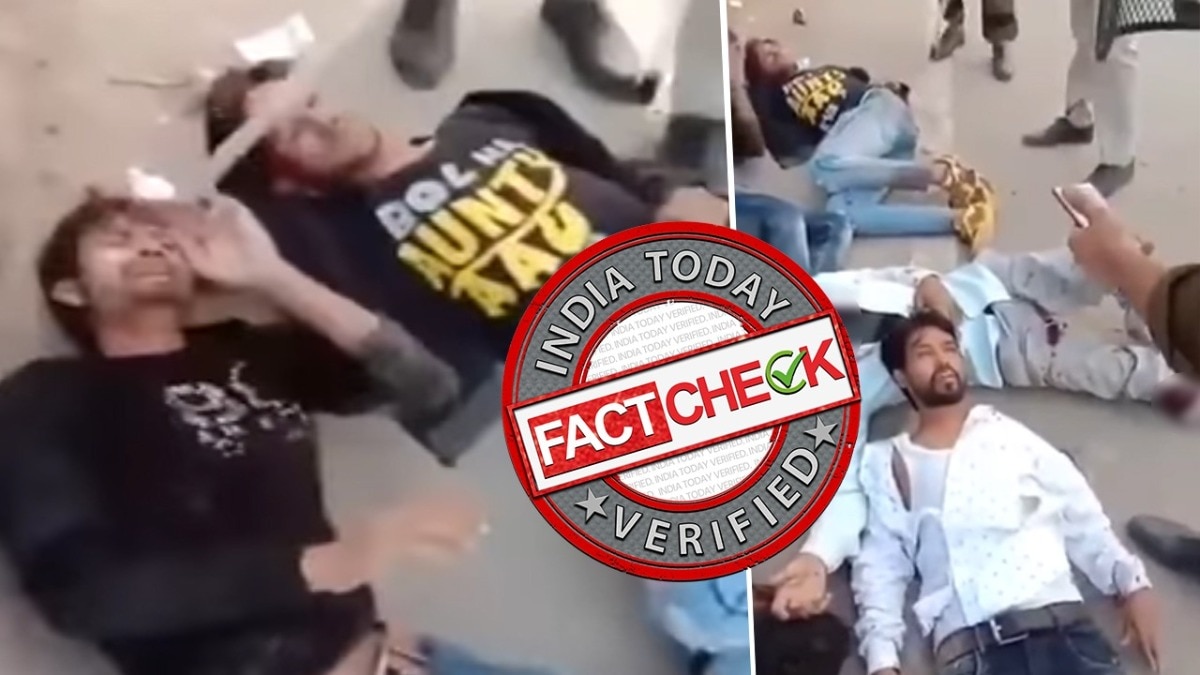
As West Bengal approaches the first phase of Assembly polls on April 23, social media platforms have been flooded with misleading content attempting to influence voter sentiment. Among these is a disturbing video showing injured men lying on a road surrounded by police officers while singing the national anthem.
The video gained significant traction after an X (formerly Twitter) user shared it with inflammatory claims that West Bengal Chief Minister Mamata Banerjee and local police had brutally beaten men heading to a BJP rally. According to the misleading post, the victims were “pressured to sing the Bangladeshi national anthem” but defiantly sang India’s Jana Gana Mana instead, only to be mocked that “Azadi from TMC is not going to happen.”
A fact-check investigation by India Today has revealed that the video dates back to 2020 and captures a disturbing incident from Delhi’s communal riots, not a recent event in West Bengal.
Reverse image searches of keyframes from the footage led to multiple social media posts from February 2020, clearly identifying the location as Maujpur in Delhi. The incident occurred during the violent clashes that erupted over the controversial Citizenship Amendment Act (CAA) in northeastern Delhi.
Major news outlets including The Times of India and The Indian Express reported on this incident in May 2023, noting that the Delhi High Court had ordered the recording of a statement from Mohammad Wasim, one of the five injured individuals seen in the video. According to these reports, Delhi Police officers allegedly beat these men and forced them to sing the national anthem during the height of the riots.
A Scroll report from February 2025 further revealed that the victims were five Muslim men who were assaulted by police during the CAA protests. Tragically, one of these men, identified as Faizan, later succumbed to his injuries. Wasim, the youngest member of the group, has continued pursuing justice through legal channels.
The West Bengal Police have taken swift action to counter the misinformation, posting on their official X account on April 21: “A video of a protest from Old Delhi dating back to 2020 is being falsely circulated as a recent incident from the ongoing West Bengal election period. The video has been verified and is being shared with malicious intent. Strict legal action will be taken against those [spreading false information].”
This incident highlights the growing challenge of election-related misinformation in India’s increasingly polarized political landscape. With West Bengal’s historically contentious electoral battles between the ruling Trinamool Congress (TMC) and the Bharatiya Janata Party (BJP), social media has become a battleground for narrative control.
Digital misinformation experts warn that recycling old, emotionally charged content with false contexts is a common tactic to inflame communal tensions and influence voter behavior. The practice has become increasingly sophisticated during election cycles, with old videos being repurposed to target specific demographic groups or regions.
As voting approaches in West Bengal, authorities have intensified efforts to monitor social media platforms for misleading content that could potentially disrupt the electoral process or incite violence. The Election Commission of India has established specialized units to identify and counter election-related misinformation across digital platforms.
Citizens are being urged to verify information through official channels and credible news sources before sharing potentially inflammatory content, particularly as the seven-phase election continues through May.
Fact Checker
Verify the accuracy of this article using The Disinformation Commission analysis and real-time sources.

10 Comments
Disappointing to see misinformation being spread about political incidents. It’s important to rely on credible sources to understand the facts, rather than jumping to conclusions based on potentially misleading social media posts.
You’re right, verifying information is crucial, especially around sensitive political events. Fact-checking can help cut through the noise and provide a clearer picture of what really happened.
This is a good reminder that we need to be cautious about videos and claims circulating online, especially during election seasons when there’s a lot of political tension. Taking the time to investigate the source and context is important.
Agreed. It’s easy for misinformation to spread quickly on social media, so it’s important to think critically and not immediately believe everything we see, even if it seems compelling.
Analyzing the origin and details of this video is a good example of how fact-checking can uncover the truth behind misleading claims. I appreciate the diligence of the India Today team in tracing this back to the 2020 Delhi riots rather than a recent West Bengal incident.
Exactly. Responsible journalism that verifies information and corrects the record is crucial, especially on sensitive political topics where emotions can run high and misinformation can have real consequences.
It’s concerning to see how quickly unverified claims can gain traction on social media, particularly around elections. Fact-checking efforts like this are important to counter the spread of misinformation and provide citizens with accurate information.
I agree. Maintaining a healthy, informed public discourse is vital for the democratic process. Fact-checking and debunking false narratives helps uphold the integrity of elections and builds trust in the system.
This is a good example of why it’s important to be skeptical of online content, even if it aligns with our preconceptions or political leanings. Responsible journalism that investigates the facts is crucial for combating the spread of misinformation.
Well said. Confirmation bias can lead us to readily accept information that reinforces our existing views, but that makes it even more important to fact-check and seek out objective sources before drawing conclusions.