


Listen to the article
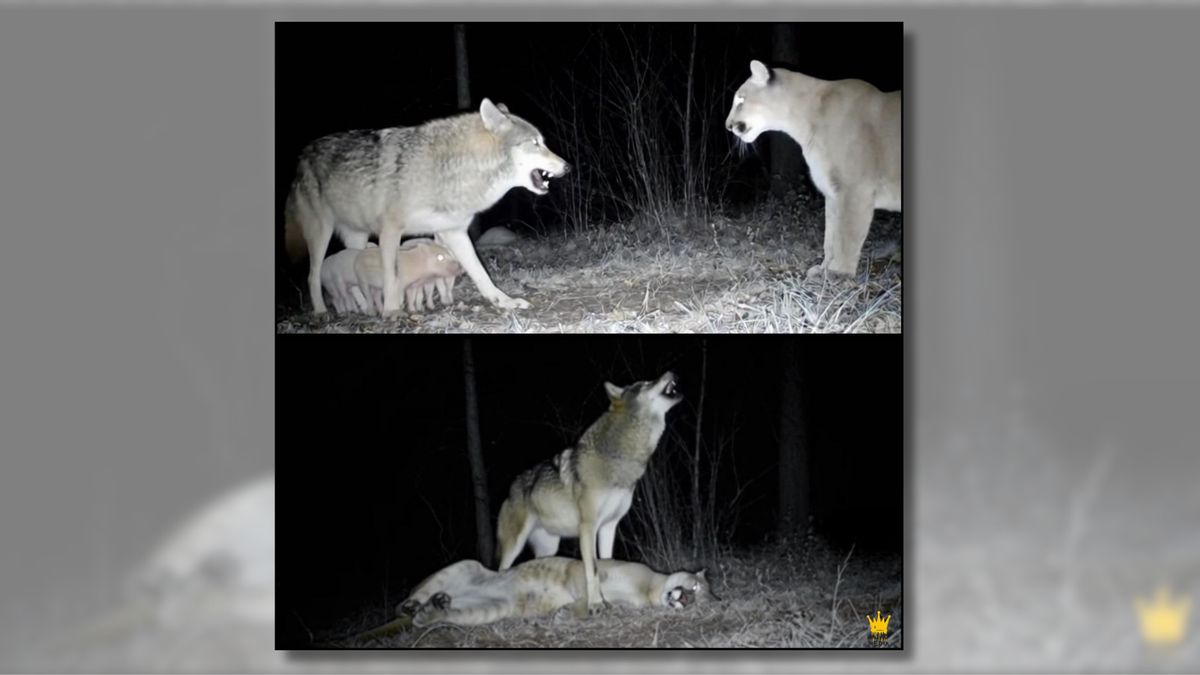
In what appears to be a case of viral misinformation, social media users were captivated by trail camera photographs supposedly showing a wolf defending a litter of piglets from a mountain lion in Montana. The dramatic wildlife tale, which spread across multiple platforms in November 2025, has been determined to be entirely fabricated.
The story, which first gained significant traction when shared by a Facebook page called “StoryTime” on November 3, described a local farmer who reportedly “heard panicked squeals and a roar echo through the trees” at night. According to the narrative, the farmer discovered a dead mountain lion on his property the next morning. Upon checking his trail camera footage, he supposedly witnessed a wolf that had defended the piglets “with everything she had.”
The post quickly went viral, with the page claiming that unidentified experts had called this “one of the rarest interactions ever caught on film.” The images and accompanying story spread to other Facebook accounts and X (formerly Twitter), prompting numerous inquiries about their authenticity.
A thorough investigation revealed no credible news coverage of the alleged incident. Searches across multiple search engines including Google, Bing, Yahoo, and DuckDuckGo yielded no reports from legitimate media outlets covering what would have been a remarkable wildlife event.
Close examination of the images revealed telltale signs of artificial intelligence generation. The mountain lion depicted had anatomical inconsistencies—two front legs in one photo but missing its front right leg in another image. Despite the claim of a deadly confrontation with the wolf, the mountain lion showed no signs of injury or blood. These inconsistencies are characteristic of AI-generated imagery, which often struggles with anatomical accuracy.
While the Facebook page that originated the story did not include a disclaimer directly on the post, its profile introduction subtly hints at the fictional nature of its content, stating: “story (noun) – an account of imaginary or real people and events told for entertainment.” Further review of the page’s content revealed multiple other posts containing AI-generated images and text.
Wildlife experts would note that such behavior would be highly unusual. Wolves are primarily carnivores and would more likely view piglets as prey rather than animals to protect. Additionally, Montana’s Fish, Wildlife & Parks department, which closely monitors both wolf and mountain lion populations in the state, made no mention of such an extraordinary event.
This fabricated story joins a growing trend of AI-generated wildlife tales designed to capture attention on social media. Previous viral hoaxes have included fictional accounts of a mountain lion raiding a Colorado pet store and mask-wearing chimpanzees looting markets in “the Congo.”
The incident highlights the increasing challenge of distinguishing genuine wildlife photography from AI-created content on social media. With artificial intelligence tools becoming more sophisticated and accessible, users are advised to approach unusual or sensational wildlife stories with skepticism, particularly when they lack coverage from established news or wildlife organizations.
Montana wildlife officials continue to monitor actual wolf and mountain lion populations throughout the state as part of their ongoing conservation and management programs, addressing genuine wildlife concerns rather than fictional social media narratives.
Fact Checker
Verify the accuracy of this article using The Disinformation Commission analysis and real-time sources.

11 Comments
As interesting as the concept is, the lack of credible news coverage and verified sources raises serious doubts about the authenticity of this story. I hope further investigation can either confirm or debunk this purported wildlife encounter.
This appears to be a classic case of viral misinformation, where a compelling but unsubstantiated story gains traction online. While the concept is certainly captivating, the lack of credible news coverage and verified sources should make us cautious about accepting this claim at face value.
This story has all the makings of viral misinformation. Without solid evidence, it’s hard to say if this was a genuine event or a fabricated tale. More scrutiny is needed before accepting such an extraordinary claim.
This is a prime example of why we need to be cautious about viral stories and claims that seem too good to be true. Responsible journalism and thorough investigation are crucial to separate fact from fiction, especially on social media.
Fascinating if true, but the lack of credible news coverage raises some doubts. It would be quite an incredible wildlife encounter if verified. I’d be curious to see the original trail camera footage, if it exists.
If the story is fabricated, it’s disappointing to see such blatant attempts to spread false information, even if the original intent was to share an interesting wildlife anecdote. Fact-checking is crucial in this age of rampant online misinformation.
While the idea of a wolf protecting piglets from a mountain lion is certainly captivating, the lack of verifiable evidence makes me skeptical. I hope further investigation can either confirm or debunk this purported wildlife encounter.
I agree, the story seems far-fetched without credible sources to back it up. Fact-checking is essential to prevent the spread of misinformation, even when the content seems intriguing.
It’s unfortunate to see such a dramatic and captivating tale turn out to be potentially fabricated. While the idea is certainly compelling, the lack of corroborating evidence makes me hesitant to accept this story at face value.
While the idea of a wolf protecting piglets from a mountain lion is certainly intriguing, the absence of substantive evidence makes me skeptical about the validity of this claim. Fact-checking is crucial to prevent the spread of misinformation, even when the content seems compelling.
I agree completely. Without verifiable sources to back up the story, it’s difficult to accept this as a genuine event. Thorough investigation is needed to determine the truth behind this viral claim.