


Listen to the article
AI-Generated False Claim Targets 50 Cent in Latest Celebrity Misinformation Wave
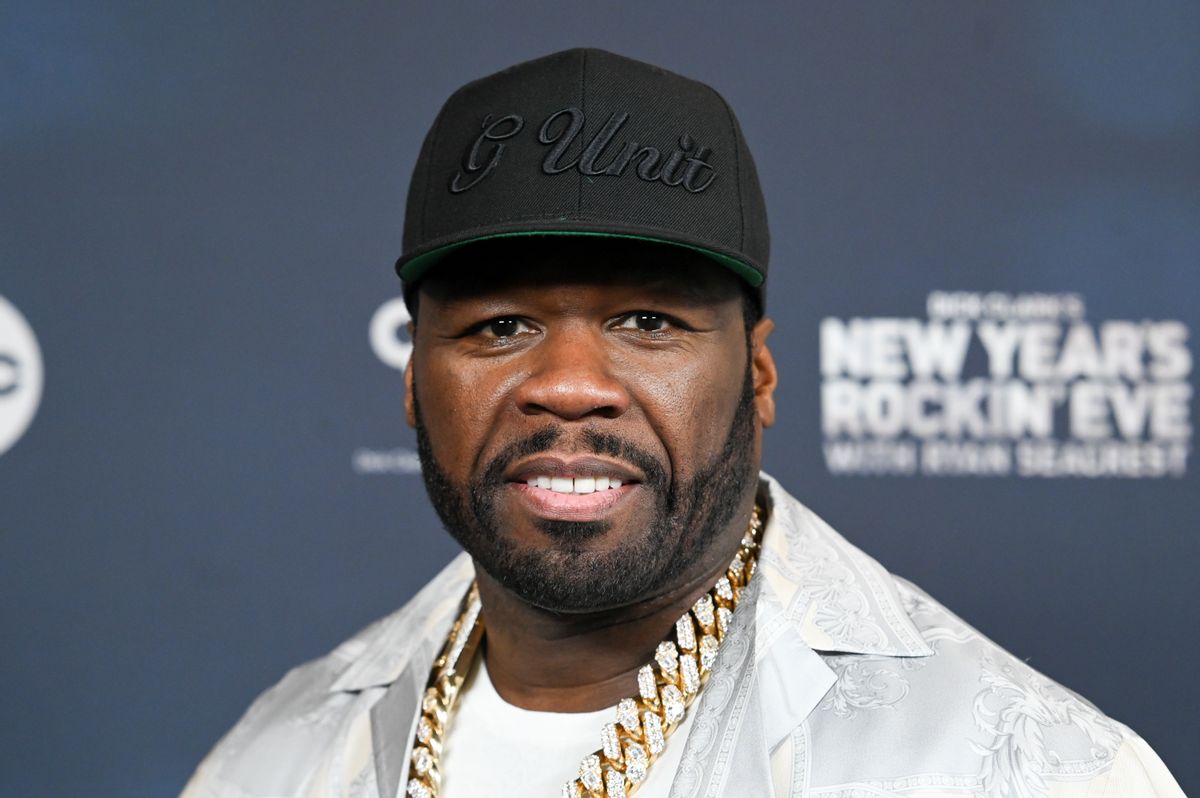
Social media platforms erupted in March 2026 with claims that rapper and actor 50 Cent was facing widespread boycotts after allegedly stating children should not watch cartoons featuring LGBTQ+ themes. The viral posts circulated rapidly across Facebook, Instagram, X, and Reddit, with numerous users requesting verification of the rumor.
After thorough investigation, fact-checkers have definitively labeled these claims as false. No credible evidence exists that 50 Cent made such statements, and the supposed boycott appears to be entirely fictional.
The fabricated story represents the latest example of what media literacy experts refer to as “AI slop” – artificially generated content designed to provoke emotional responses and drive engagement through sensationalism. The posts bear hallmarks of AI-generated text, including deliberately vague wording that lacks verifiable details and specific quotes that would allow readers to authenticate the information.
When analyzed with GPTZero, a tool designed to detect AI-written content, one caption scored a 99% probability of being artificially generated. However, experts caution against relying solely on such detection tools, as they aren’t infallible.
This fabricated controversy follows an almost identical pattern to a recent false claim about actor Kurt Russell, suggesting a coordinated campaign of celebrity misinformation. The strategy recycles existing rumors with minimal changes, simply swapping one public figure for another to create fresh engagement.
Digital media analysts explain that creators of such content capitalize on users’ willingness to believe and share sensational stories about celebrities. These posts frequently link to external websites where creators profit from advertising revenue – a business model previously documented by fact-checking organizations.
While 50 Cent has faced criticism for anti-LGBTQ+ comments in the past, according to a 2021 article, comprehensive searches across major search engines including Google, Bing, Yahoo, and DuckDuckGo revealed no recent statements matching the viral claim. If legitimate, such controversial comments from a high-profile celebrity would have generated substantial coverage from reputable entertainment news outlets.
The proliferation of AI-generated celebrity controversies has become increasingly common. In February 2026, fact-checkers debunked a similar claim about American figure skater Alysa Liu, who won gold at the 2026 Winter Olympics, allegedly making anti-LGBTQ+ statements.
Media literacy advocates warn that this trend represents a growing challenge for information consumers. The sophisticated nature of AI content generation makes distinguishing fact from fiction increasingly difficult, particularly when emotionally charged topics like LGBTQ+ rights are involved.
Social media platforms continue to grapple with how to address this form of misinformation. While some have implemented policies against AI-generated deception, the evolving nature of these tools makes enforcement challenging.
For consumers navigating the digital information landscape, experts recommend verifying claims through multiple credible sources before sharing content, particularly when stories appear designed to provoke strong emotional reactions without providing specific, verifiable details.
As AI-generated misinformation becomes more prevalent, the 50 Cent controversy serves as a reminder of the importance of critical thinking and source verification in the digital age.
Fact Checker
Verify the accuracy of this article using The Disinformation Commission analysis and real-time sources.

16 Comments
The use of AI to create false celebrity stories is a concerning trend. I’m glad the fact-checkers were able to quickly debunk this particular claim about 50 Cent.
Yes, the ability of AI to generate seemingly credible but completely fabricated content is a major challenge we’ll have to continue addressing.
Interesting to see another case of AI-generated misinformation targeting a celebrity. Fact-checking is so important these days to verify claims before they spread like wildfire online.
Completely agree. We need to be vigilant about discerning real news from fabricated stories, especially when they involve public figures.
I’m glad the fact-checkers were able to definitively debunk this rumor about 50 Cent. It’s concerning how quickly misinformation can proliferate, even when it lacks credible evidence.
Absolutely. The speed at which these AI-generated claims spread is alarming. We have to stay informed and critical consumers of online content.
It’s disheartening to see how easily misinformation can spread, even when it’s clearly fictitious. We need to be vigilant and rely on authoritative sources to verify claims.
Absolutely. Critical thinking and fact-checking are essential skills in today’s information landscape, where AI-generated content can be so convincing.
This report highlights the growing problem of AI-generated disinformation. It’s crucial that we develop better tools to detect and counter these types of fabricated stories.
Agreed. Improving media literacy and fact-checking capabilities will be key to combating the rise of AI-driven misinformation campaigns.
This report serves as a reminder of the importance of media literacy and the need to approach online claims with a healthy dose of skepticism. Fact-checking is crucial.
Agreed. Verifying information through reputable sources is the best way to combat the spread of AI-generated misinformation.
This report highlights the need for improved media literacy and fact-checking capabilities to counter the growing threat of AI-generated misinformation. Fact-checking is crucial.
Absolutely. Developing tools to detect AI-generated content and educating the public on critical thinking skills will be key to addressing this challenge.
The proliferation of AI-driven disinformation is a concerning trend. I’m glad to see fact-checkers taking action to debunk these types of fabricated stories.
Yes, it’s important that we stay vigilant and rely on authoritative sources to separate fact from fiction, especially when it comes to online content.