


Listen to the article
False Claims Circulate on Social Media Following Reports of Maduro’s Capture
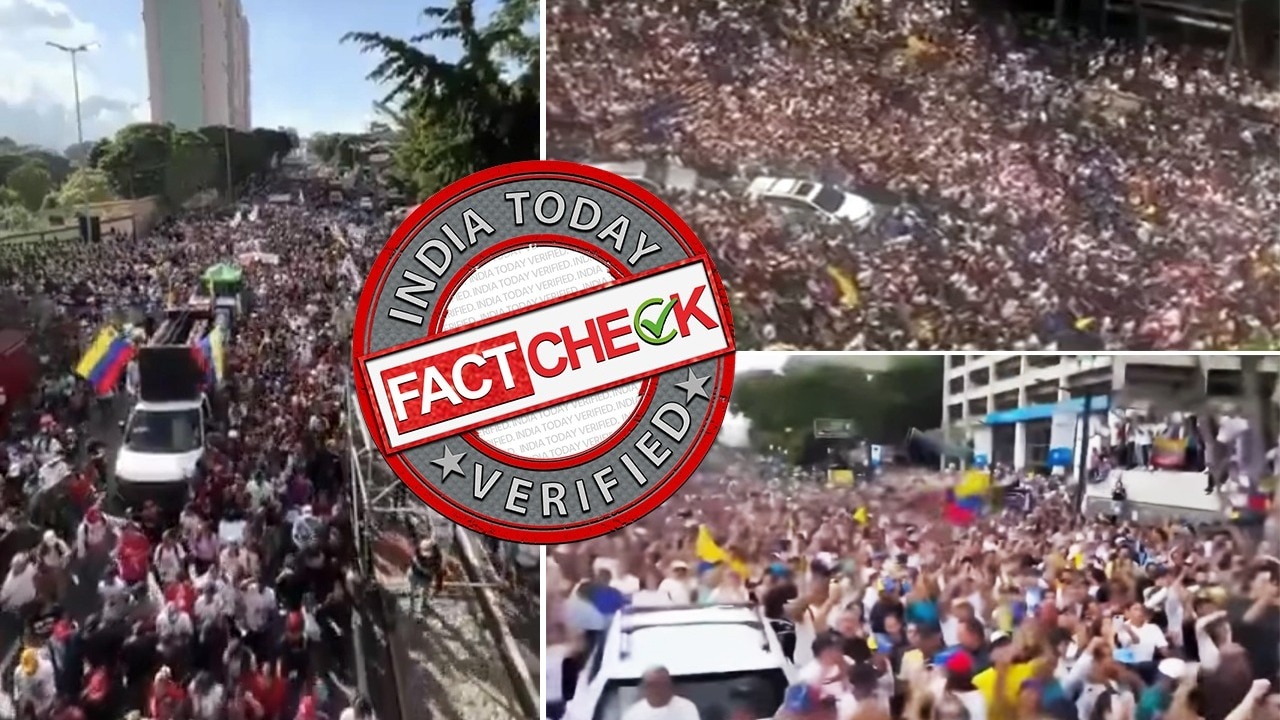
Social media platforms have been flooded with videos and images allegedly showing Venezuelan reactions to reports of President Nicolas Maduro and First Lady Cilia Flores being taken into custody by U.S. special forces. These posts show contrasting scenes—some purportedly depicting Venezuelans celebrating in the streets, while others claim to show massive pro-Maduro rallies in Caracas.
An investigation into these viral videos reveals that both are being misrepresented and are unrelated to the current situation in Venezuela.
The first video, widely shared with claims that it shows Venezuelans celebrating Maduro’s capture, actually depicts anti-government protests that took place on July 30, 2024. These demonstrations erupted after Maduro was elected for a third consecutive term on July 28, with many citizens alleging electoral fraud.
The footage specifically shows protests along Avenida Francisco de Miranda in Caracas. This was verified through multiple news reports and confirmed by an Instagram post from the account “Venezuela de Ayer,” which shared the video on July 31, 2024, clearly predating the recent U.S. military action.
Similarly misleading is the second viral video, which purports to show “huge crowds in support of President Maduro” in response to his reported capture. This video has been circulating online since at least November 14, 2025, making it impossible for it to be related to recent events.
The actual situation on the ground appears more complex than these misleading videos suggest. According to BBC reporting, genuine Maduro supporters have indeed been rallying in Caracas, with some demonstrations joined by local officials including Caracas Mayor Carmen Meléndez. These supporters are demanding the U.S. release their leader.
Meanwhile, CNN reports that some Maduro opponents have celebrated his departure more cautiously, “playing music from their balconies, apparently fearing reprisals if they took to the streets.” This sentiment was echoed in PBS News coverage, which quoted a construction worker in Caracas explaining that streets remained relatively empty because people feared government repression if they openly celebrated.
The circulation of misleading videos highlights the information challenges that often accompany major geopolitical developments. Venezuela has long been a politically polarized nation, with deep divisions between government supporters and opposition forces. These tensions have been exacerbated by years of economic crisis, hyperinflation, and allegations of democratic backsliding under Maduro’s leadership.
The U.S. and many Western nations have previously refused to recognize Maduro’s electoral victories, citing concerns about the democratic process. Meanwhile, countries like Russia, China, and Cuba have maintained support for his government.
Venezuelan expatriate communities, particularly in the United States, have grown significantly during Maduro’s tenure as millions fled the country’s economic collapse and political repression. These communities have generally maintained strong opposition to the Maduro government, which helps explain reports of celebrations among Venezuelan expatriates abroad.
As the situation continues to develop, information verification remains crucial. Social media users are encouraged to verify the authenticity of videos and images before sharing them, particularly during fast-moving geopolitical events when misinformation can spread rapidly.
The contrasting narratives surrounding Maduro’s reported capture reflect the deep political divisions that have characterized Venezuelan politics for years, with reactions likely to remain polarized as more details emerge about both the U.S. operation and its aftermath within Venezuela.
Fact Checker
Verify the accuracy of this article using The Disinformation Commission analysis and real-time sources.

17 Comments
This highlights the need for greater media literacy and critical thinking when consuming online content. It’s too easy for false narratives to gain traction without proper verification.
Agreed. We should all be more cautious about blindly sharing or amplifying unverified claims, especially around politically-charged events. Fact-checking takes time but is so important.
This is a cautionary tale about the dangers of uncritically sharing online content. Verifying the context and sources should be a standard practice, especially for politically-charged events.
It’s concerning to see how quickly misinformation can spread, even from seemingly legitimate sources. Careful analysis of the context and sources is vital to avoid contributing to the problem.
Well said. Fact-checking and media literacy are essential skills in the digital age. We have to be vigilant about verifying information before sharing it.
This is a prime example of why we need to be so careful about verifying information, especially when it aligns with our own biases or preconceptions. Fact-checking should be a reflex, not an afterthought.
Well said. It’s all too easy to get swept up in the emotional pull of a compelling narrative, but maintaining objectivity and rigor is crucial. Fact-checking takes discipline but pays dividends.
This serves as a valuable reminder that we must approach online content with a critical eye. Verifying sources and context is essential to avoid perpetuating misinformation, even unintentionally.
Agreed. In the digital age, we all have a responsibility to be discerning consumers of information. Fact-checking should be a reflex, not an afterthought.
This highlights the need for greater transparency and accountability when it comes to reporting on politically sensitive events. Fact-checking and source verification should be standard practice.
Absolutely. Responsible journalism is crucial to counter the spread of misinformation. Fact-based reporting, even on complex issues, is the best way to inform the public.
It’s troubling to see how quickly false narratives can gain traction online. This highlights the importance of verifying information, even from seemingly credible sources, before sharing or amplifying it.
Absolutely. In the age of social media, we all have a responsibility to be critical consumers of information. Fact-checking should be a reflex, not an afterthought.
Interesting to see how misinformation can spread so quickly on social media, especially around sensitive political events like this. It’s important to fact-check claims and verify the context before sharing them.
Absolutely. Fact-checking is crucial to avoid spreading misleading information, even inadvertently. Verifying the details and sources is key.
Disappointing to see how easily misinformation can spread, even on sensitive political topics. This underscores the need for greater media literacy and a commitment to fact-based reporting.
It’s troubling to see how easily misleading narratives can gain traction online. This underscores the importance of media literacy and critical analysis of sources, especially for politically-charged topics.