


Listen to the article
In a development drawing international attention, Iran’s controversial hijab law remains in place despite recent reports suggesting it had been lifted. Contrary to claims circulating earlier this month, Iranian authorities have not formally repealed the mandatory headscarf regulation, though enforcement appears to have softened in some areas.
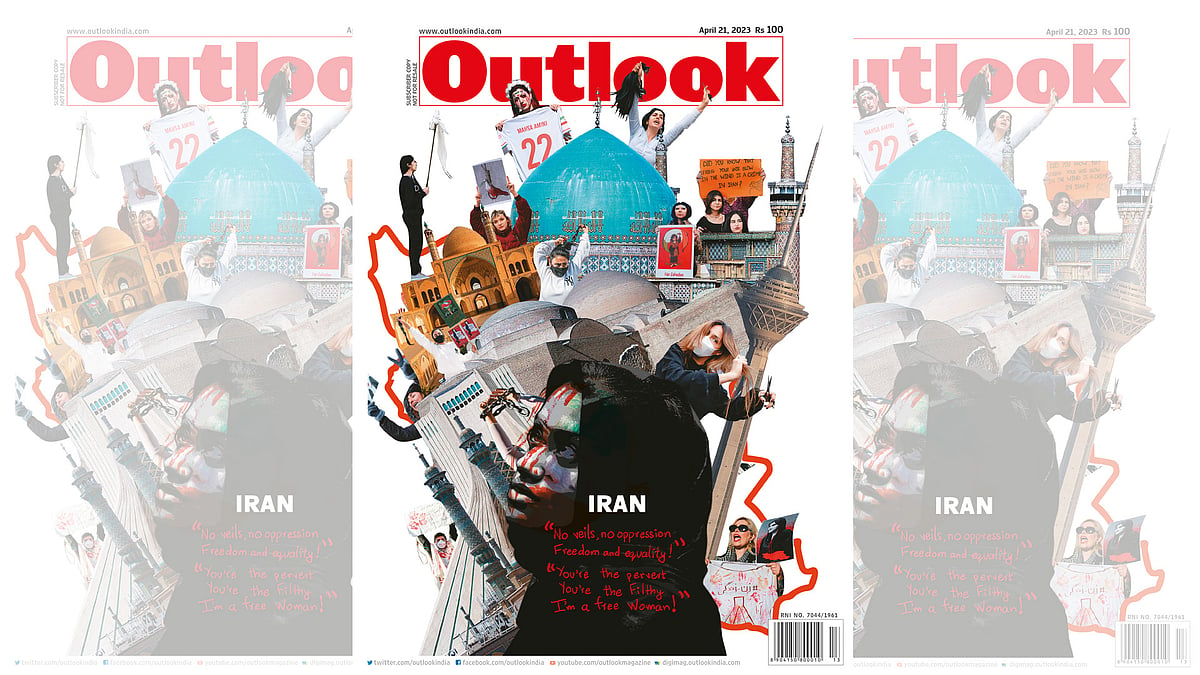
The clarification comes less than a month after Iranians marked the third anniversary of Mahsa Amini’s death, the 22-year-old Kurdish woman who died in police custody in September 2022 after being detained by the country’s morality police for allegedly wearing her hijab improperly. Her death sparked unprecedented nationwide protests that evolved into one of the most significant challenges to the Islamic Republic since its establishment in 1979.
According to AFP reports, while October 4 saw speculation about a potential lifting of the hijab requirement, government officials have made no formal announcement indicating a policy change. Instead, what observers have noted is an apparent relaxation in enforcement tactics by authorities, particularly in major urban centers like Tehran.
The mandatory hijab law has been a cornerstone of Iran’s Islamic legal code since shortly after the 1979 revolution. It requires women to cover their hair and wear loose-fitting clothing in public spaces. Enforcement has historically fluctuated, with periods of strict implementation followed by more relaxed oversight depending on political climates and leadership priorities.
Human rights organizations continue to monitor the situation closely. “What we’re seeing isn’t a legal change but potentially a tactical adjustment,” said Jasmin Ramsey from the Center for Human Rights in Iran when contacted about the reports. “The fundamental restrictions on women’s autonomy remain encoded in law.”
The ambiguity surrounding enforcement comes amid broader socio-political tensions in Iran. The country faces significant economic challenges exacerbated by international sanctions, while domestically, the government continues to navigate the aftermath of the “Woman, Life, Freedom” movement that gained momentum following Amini’s death.
That movement represented a watershed moment in Iranian civil society, uniting diverse segments of the population in protest against not just the hijab law but wider systemic issues. Security forces responded with a harsh crackdown that reportedly resulted in hundreds of deaths and thousands of arrests.
For many Iranian women, especially younger urban residents, the hijab has become a potent symbol in the struggle for personal freedoms. Social media continues to document instances of women defying the law, removing their headscarves in public despite potential consequences.
Political analysts suggest the current ambiguity may reflect internal debates within Iran’s power structures about how to address ongoing public discontent while maintaining the Islamic Republic’s core ideological positions.
“The regime is caught between enforcing its ideological principles and recognizing the genuine public resistance to them,” explains Dr. Sanam Vakil, deputy director of the Middle East North Africa program at Chatham House. “What we might be seeing is a tactical retreat rather than a strategic change.”
The international community continues to press Iran on its human rights record, with the hijab law frequently cited in diplomatic communications as an example of restrictions on individual freedoms. Western governments have imposed sanctions on officials deemed responsible for the crackdown on protesters.
For now, Iranian women face continued uncertainty. While enforcement may have temporarily eased in some locations, the legal framework remains intact, leaving women vulnerable to potential arrest or harassment for non-compliance.
As Iran navigates complex domestic and international pressures, the status of the hijab law remains a significant indicator of the government’s approach to civil liberties and its willingness to accommodate changing social attitudes within the framework of the Islamic Republic.
Fact Checker
Verify the accuracy of this article using The Disinformation Commission analysis and real-time sources.

8 Comments
The ongoing protests in Iran over this issue have been incredibly courageous. While the mandatory hijab law remains, any relaxation in enforcement is a small but meaningful step. I hope to see more substantive changes that respect women’s rights.
I agree, the protests have been incredibly inspiring. Even incremental progress can be significant when it comes to such a fundamental human rights issue. Let’s see if the Iranian government continues to evolve its approach.
This is an important fact check. The headlines about a repeal were premature, as the mandatory hijab law remains in place despite some changes in enforcement. It’s crucial to have accurate information on such a high-profile issue.
Absolutely, clear and factual reporting is essential, especially on sensitive topics like this. The nuances around enforcement versus formal policy changes are important to understand.
While the relaxation in enforcement is noteworthy, the fact that the hijab law itself has not been repealed is concerning. I hope the Iranian government takes further steps to respect women’s rights and personal freedoms.
I share your hope for more meaningful progress on this issue. Gradual changes in enforcement are a start, but true progress will require the government to address the root of the problem by reconsidering the law itself.
This is a complex and sensitive issue. While the hijab law remains in place, it’s interesting to see signs of a possible shift in enforcement. I’m curious to see how this situation evolves and whether any formal policy changes materialize.
You’re right, the lack of a formal announcement creates uncertainty. I’ll be following this story closely to understand the government’s intentions and the experiences of Iranian citizens.