


Listen to the article
Minnesota has emerged as a focal point for major fraud investigations across multiple government assistance programs, with authorities uncovering schemes that have siphoned hundreds of millions of dollars from taxpayer-funded initiatives.
The most significant case to date involves the “Feeding Our Future” scandal, where conspirators defrauded federal child nutrition programs of more than $250 million during the COVID-19 pandemic. According to the U.S. Department of Justice, participants in the scheme fabricated meals for children that were never served, creating shell companies and submitting false documentation to access emergency funds meant for feeding vulnerable youth during school closures.
Federal prosecutors have also charged individuals in an $11 million Medicaid fraud operation where perpetrators billed the government healthcare program for services never rendered to patients. This scheme targeted a program designed to provide essential medical care for low-income residents.
While these cases represent confirmed losses, investigations into additional areas continue. State officials are actively examining potential fraud in childcare subsidy programs and other public assistance initiatives, though these inquiries have not yet yielded definitive financial totals.
Some officials in Minnesota have warned that the cumulative fraud exposure could potentially reach into the billions, but experts caution that such figures remain speculative rather than verified losses at this stage. The full scope of the misappropriated funds may take years to fully determine as investigations proceed.
The judicial response to the confirmed fraud has been substantial. In the Feeding Our Future case alone, approximately 79 individuals have faced federal charges. Court records indicate that dozens have entered guilty pleas, with at least 65 defendants now convicted of various fraud-related offenses. The sentencing process remains ongoing, with some defendants receiving prison terms while others have secured reduced sentences through cooperation agreements with prosecutors.
The Medicaid fraud prosecutions represent a more recent wave of cases that are still progressing through earlier stages of the judicial process, with trials and plea negotiations continuing.
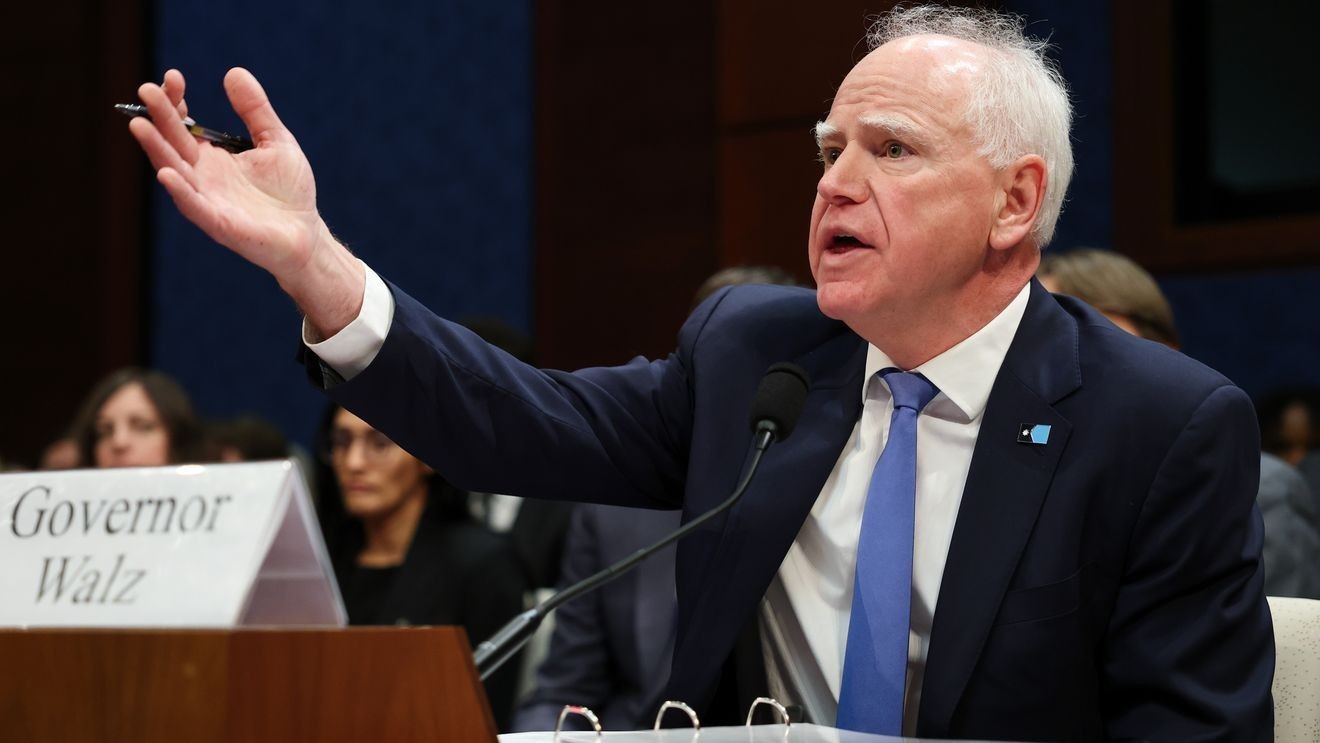
In response to these widespread fraud schemes, Minnesota’s state government has implemented several reform measures. Governor Tim Walz and the state legislature have established a new Inspector General’s office specifically tasked with overseeing public assistance programs and detecting potential fraud. The state has also tightened eligibility requirements and enhanced vetting processes for organizations receiving public funds.
Additional safeguards now allow state agencies to temporarily pause payments to providers when suspicious activity is detected, giving investigators time to examine concerning patterns before additional funds are disbursed.
Despite these reforms, the response has drawn mixed reactions. Some lawmakers argue the changes don’t provide sufficient enforcement mechanisms and are advocating for more robust oversight tools and increased prosecutorial resources. They point to the scale of the fraud as evidence that systemic vulnerabilities remain within state-administered programs.
While Minnesota’s fraud cases have garnered significant attention, federal officials note that such schemes are not unique to the state. The U.S. Department of Health and Human Services recently announced that a nationwide healthcare fraud enforcement action in 2025 uncovered approximately $14.6 billion in fraudulent billing schemes across multiple states.
Similar large-scale fraud investigations have targeted Medicare providers and COVID-19 relief programs throughout the country, suggesting a broader pattern of vulnerabilities in emergency assistance and healthcare funding mechanisms nationwide.
The Minnesota cases highlight the particular challenges of maintaining adequate oversight during crisis periods, when traditional verification procedures may be streamlined to expedite assistance. As pandemic-era programs wind down, the full accounting of fraud losses continues to unfold, with investigations and prosecutions likely to continue for several years.
State officials maintain that strengthened preventive measures will help protect future program integrity, though the ultimate effectiveness of these reforms remains to be demonstrated as new safeguards are implemented and tested.
Fact Checker
Verify the accuracy of this article using The Disinformation Commission analysis and real-time sources.

13 Comments
These cases underscore the need for greater transparency and accountability when it comes to government spending, especially on emergency relief programs. Stronger controls and auditing measures could help prevent such large-scale theft in the future.
I agree. Increased oversight and data monitoring are essential to quickly detect any suspicious activity and shut down fraudulent schemes before they can do more damage.
The scale of these fraud schemes is quite staggering. Over $250 million siphoned from child nutrition programs? That’s an astronomical amount. I hope the perpetrators face serious consequences for this egregious abuse of public funds.
Interesting to see these high-profile fraud cases uncovered. It’s concerning how much taxpayer money was stolen, but I’m glad the authorities are investigating thoroughly and holding the perpetrators accountable.
Absolutely, these kinds of large-scale frauds are a major betrayal of the public trust. Glad to see the government taking strong action to recover the stolen funds.
While the scale of these fraud cases is concerning, I’m glad to see the government taking them seriously and pursuing criminal charges. Protecting the integrity of taxpayer-funded social programs should be a top priority.
Absolutely. Holding the culprits accountable and recovering the stolen funds will be crucial to maintaining public confidence in government assistance initiatives.
I’m curious to learn more about the tactics used in these schemes to defraud the nutrition and Medicaid programs. Were there weaknesses in the systems that allowed the fraud to happen on such a large scale?
Good question. It seems the fraudsters exploited vulnerabilities in the emergency pandemic relief programs to create fake documentation and siphon off funds. Tightening oversight and controls will be crucial to prevent this in the future.
Fraud and abuse of government assistance programs is a serious issue that deserves rigorous investigation. These cases highlight the importance of strong financial controls and oversight to protect taxpayer dollars.
Well said. Robust safeguards and auditing processes are crucial to maintaining the integrity of social safety net programs and ensuring the funds reach those who truly need them.
It’s good that the authorities are digging into these fraud cases and bringing the perpetrators to justice. Misusing funds intended for vulnerable populations is a serious breach of public trust that deserves harsh penalties.
This is really disheartening to see. Programs meant to help vulnerable children and low-income residents being taken advantage of by criminal enterprises. I hope the authorities can fully recover the stolen funds and prevent further abuse.