


Listen to the article
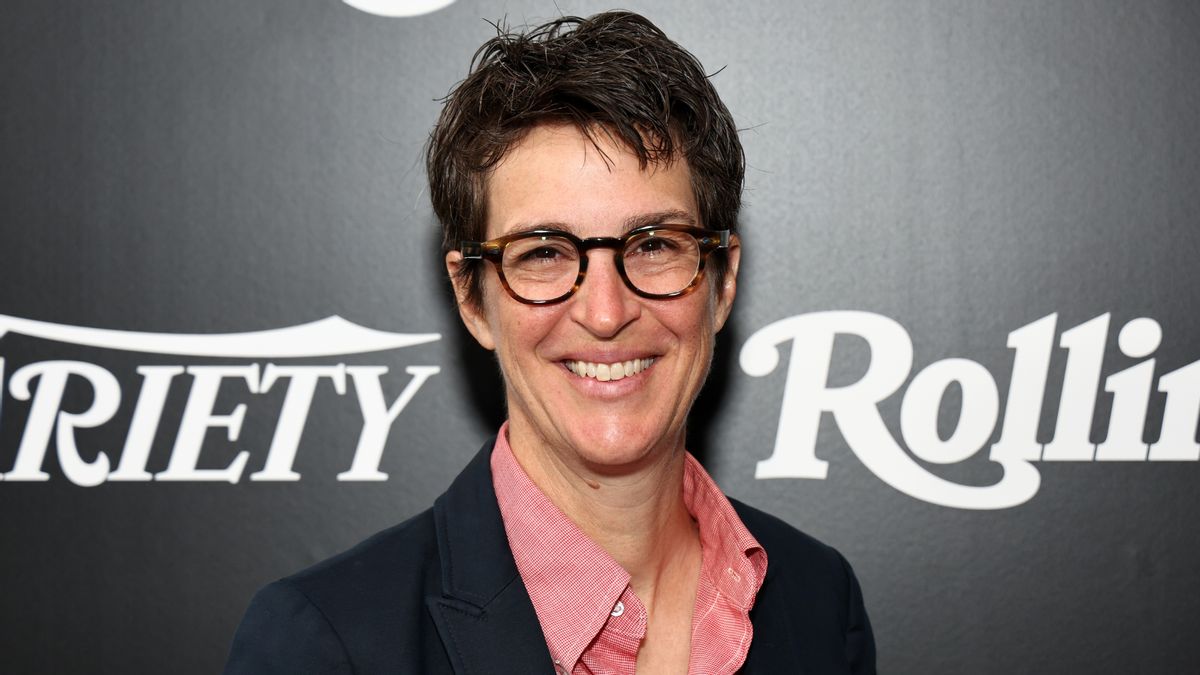
A fake AI-generated video claiming to show Rachel Maddow reporting that Walmart plans to exit the U.S. market due to tariffs has been debunked as completely fabricated.
The video, posted on January 5, 2026, by a YouTube channel called “Maddow’s Brief,” purportedly showed the well-known television presenter discussing Walmart’s supposed plans to leave the American market. According to the fabricated report, the retail giant was allegedly planning to withdraw from U.S. operations due to the effects of tariffs implemented by President Donald Trump, which the fake report claimed had caused grocery prices to rise significantly.
After receiving numerous inquiries from readers about the video’s authenticity, fact-checkers investigated and quickly determined the content was entirely artificial. YouTube removed the video and terminated the channel on January 6, 2026, just one day after it was posted.
Several telltale signs indicated the video was created using artificial intelligence tools. The most obvious red flag was the complete absence of any legitimate news coverage about such a monumental business decision. Walmart, described in the fake video as “essentially synonymous with the American retail landscape,” would generate massive headlines across all major news outlets if it were actually planning to exit the U.S. market.
Further investigation revealed that the YouTube channel “Maddow’s Brief” was created on January 1, 2026, just days before publishing the false Walmart report. The channel falsely presented itself as a new Maddow project focused on U.S.-Canada trade relations, but no evidence supported this claim. Maddow’s actual show on MS NOW (formerly MSNBC) is called “The Rachel Maddow Show,” not “Maddow’s Brief.”
Content analysis showed additional signs of AI generation. The channel description and video text appeared unnatural and robotic. The channel also published videos at an implausibly rapid pace—more than one per day, including weekends—far exceeding the weekly schedule of Maddow’s actual program on MS NOW.
Technical analysis of the video revealed imperfections typical of AI-generated content. The fake Maddow occasionally spoke with unusual inflections, and her mouth movements and gestures were sometimes slightly out of sync or illogical—hallmarks of synthetic media that hasn’t been perfectly refined.
This incident highlights the growing sophistication and potential dangers of AI-generated disinformation. The video creators likely targeted Maddow because of her recognizable profile and authoritative delivery style, which could lend credibility to false information among viewers who don’t scrutinize sources carefully.
This is not the first time Maddow has been the subject of fabricated content. Previous fact-checking investigations have debunked false claims that she exposed a hidden LLC operated by House Speaker Mike Johnson’s wife and that she cried on camera over White House renovations.
The Walmart hoax comes amid increasing concerns about the potential for AI-generated content to spread misinformation about major corporations and economic matters. Such fabrications could potentially affect consumer confidence, stock prices, or public perception if they gain traction before being debunked.
Media literacy experts recommend that viewers verify information through multiple reliable sources, particularly when encountering sensational claims about major companies or economic developments. They also suggest scrutinizing the source of information, checking whether other established news outlets are reporting the same story, and being wary of content that appears only on newly created channels or websites.
As AI technology continues to advance, distinguishing between authentic and synthetic media will require increasing vigilance from both platforms and consumers of digital content.
Fact Checker
Verify the accuracy of this article using The Disinformation Commission analysis and real-time sources.

20 Comments
The use of AI to create this false video is a concerning development, as it highlights the potential for such technology to be misused to spread disinformation. Increased media literacy and fact-checking efforts are essential.
I agree. The proliferation of AI-generated content poses a significant challenge, and it is crucial for platforms, fact-checkers, and the public to work together to identify and counter these types of fabrications.
While the video may have seemed convincing, the lack of corroborating coverage from legitimate news sources should have been a red flag. It’s crucial to cross-reference information before accepting it as fact.
Well said. The absence of any credible reporting on such a major business decision is a clear indication that the video was fabricated. Fact-checking is essential in the digital age.
This incident serves as a reminder of the importance of maintaining a healthy skepticism towards online content, especially when it seems too sensational or lacking in supporting evidence from credible sources. Fact-checking is key.
Well said. In the digital age, we must approach information with a critical eye and verify claims before accepting them as fact. Reliance on trusted, reputable sources is essential to combat the spread of misinformation.
This incident serves as a stark reminder of the need for robust media fact-checking and accountability mechanisms. Maintaining the integrity of news reporting is crucial for a well-informed public.
I agree. The proliferation of AI-generated content poses a significant challenge, and platforms must continue to invest in effective detection and removal strategies. Vigilance from both consumers and media outlets is essential.
It’s disheartening to see the spread of misinformation, especially when it involves the manipulation of respected journalists and media outlets. We must remain vigilant and committed to the truth.
I agree. The use of AI to create this false video is particularly concerning, as it highlights the potential for such technology to be misused. Maintaining trust in the media is crucial.
This incident underscores the need for increased media literacy education and the development of effective tools to detect and combat AI-generated disinformation. Fact-checking must be a priority.
Well said. Ongoing efforts to improve digital literacy and strengthen fact-checking capabilities are vital in the fight against the spread of misinformation. Staying informed and critical is key.
This is a timely reminder of the importance of media literacy and critical thinking. It’s important to approach online content with a discerning eye and not blindly accept what we see or hear.
Absolutely. The proliferation of AI-generated content is a concerning trend that requires vigilance from both consumers and platforms. We must stay informed and question the validity of sources.
It’s concerning to see such blatantly fabricated content circulating online. We should be vigilant about verifying news from credible sources to avoid the spread of misinformation.
Agreed. Fact-checking is crucial in today’s digital landscape, where false claims can quickly gain traction. Kudos to the fact-checkers for swiftly debunking this AI-generated video.
While the fabricated video may have seemed convincing, the lack of any credible supporting evidence should have been a clear indication that it was not a legitimate news report. Fact-checking is crucial.
Well said. The absence of any corroborating coverage from reputable news sources is a glaring red flag. Maintaining a critical eye and verifying information from multiple reliable sources is key to combating misinformation.
The swift removal of the fabricated video by YouTube is a positive step, but the damage of such false claims can linger. We must remain vigilant and continue to promote the importance of verifying information.
Absolutely. Even though the video was taken down, the potential impact on public perception is concerning. Diligent fact-checking and media literacy initiatives are essential to combat the spread of misinformation.