


Listen to the article
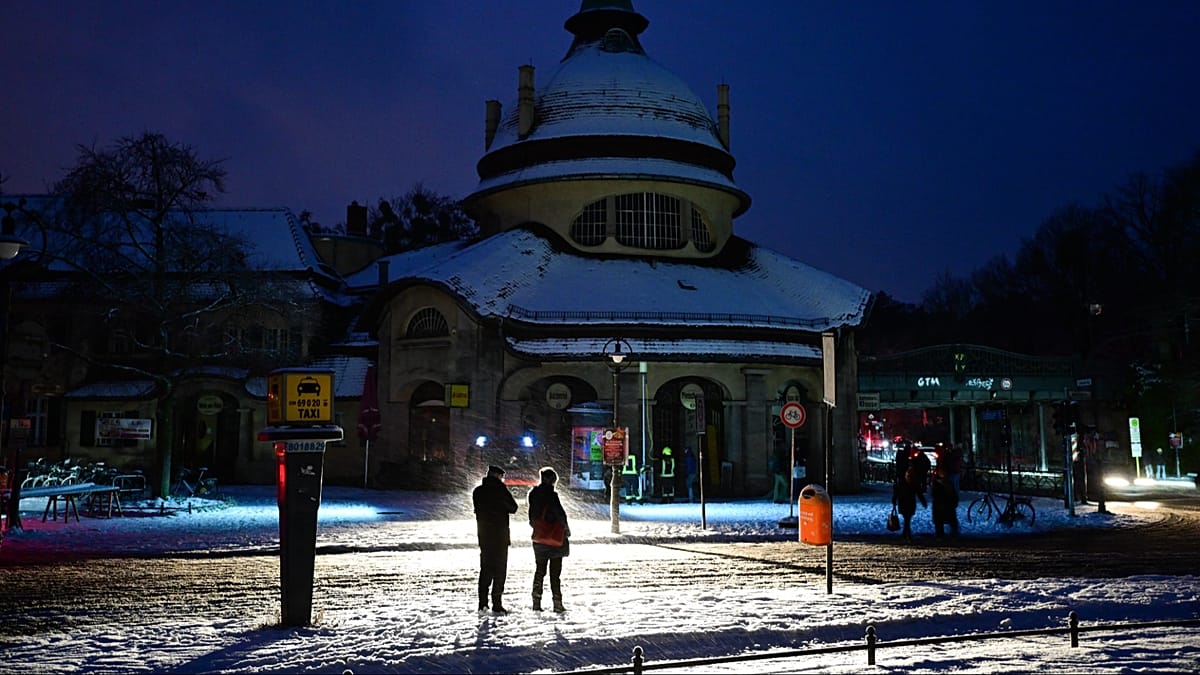
In the aftermath of what officials are calling the longest blackout in Berlin since World War II, thousands of residents in the southwest section of the German capital endured four days without power, heat, and in some cases mobile service during freezing temperatures. The outage, which began on January 3, was reportedly caused by a suspected arson attack that damaged high-voltage cables on a bridge spanning the Teltow Canal.
A far-left group identifying itself as “Vulkangruppe” claimed responsibility for the attack in an online letter, prompting German prosecutors to launch an investigation into suspected arson and sabotage.
As repair crews worked around the clock in sub-zero conditions to restore power, a wave of misinformation began circulating online. Social media posts and AI-generated videos spread claims that the blackout was prolonged because Germany’s emergency generators had all been sent to Ukraine, leaving Berlin without backup power resources.
The misinformation appears to have originated from an article in the Berliner Zeitung, which reported that 1,700 emergency generators had been sent to Ukraine through Germany’s federal agency for civil protection and disaster relief (THW). This claim was quickly amplified across social platforms.
One widely shared post on X falsely attributed a quote to Berlin Mayor Kai Wegner stating, “All generators are in Ukraine now.” Similar messages spread on Facebook, with users claiming “all of the German THW’s power generators are located in Ukraine.”
The disinformation campaign extended to TikTok, where AI-generated videos mimicking news broadcasts showed fabricated emergency responders claiming no generators were available because “all our units are in Ukraine.”
German authorities swiftly moved to correct the record. At a press conference on January 5, the Interior Ministry confirmed that emergency generators were indeed available during the crisis and had been deployed to critical facilities including hospitals, care homes, and emergency shelters.
While Germany has provided approximately 1,700 generators to Ukraine since Russia’s full-scale invasion began, officials clarified these were specifically purchased for Ukraine and did not deplete the disaster management agency’s domestic stockpile.
According to Herbert Saurugg, an expert on blackouts and crisis preparedness, emergency generators played only a limited role in this situation. “Emergency generators are only able to support essential processes,” he explained, noting they cannot replace damaged grid infrastructure.
The prolonged nature of the outage stemmed from the complexity of the damage rather than a shortage of backup power. “This was because several important cables and different systems were affected,” Saurugg said. “In addition, two different designs had to be connected to each other, which normally takes weeks.”
Professor Kai Strunz from Technische Universität Berlin pointed to the extensive physical damage that required comprehensive excavation work, with five high-voltage cables destroyed in the attack. “The heavy damage and very low subzero temperatures made the works on the cables themselves and the cable joints quite challenging,” he noted.
Manuel Atug, founder of AG Kritis, an independent group of security experts, emphasized that residential areas cannot simply be connected to emergency generators without proper infrastructure in place. “You can connect companies or houses to emergency generators if you have a connection possibility,” he explained. “And if the connection possibility is not there, you will have a struggle.”
Despite the technical explanations, many residents expressed frustration over how easily a critical piece of Berlin’s energy infrastructure could be compromised. Much of the public criticism was directed at Mayor Wegner, who reportedly was playing tennis while the crisis unfolded.
The incident has raised serious questions about the vulnerability of Germany’s critical infrastructure and the city’s emergency response capabilities, issues that will likely remain in focus long after the lights have come back on.
Fact Checker
Verify the accuracy of this article using The Disinformation Commission analysis and real-time sources.

8 Comments
This outage highlights the importance of resilient energy systems and robust backup plans, especially for major urban centers. Lessons learned here could inform improvements to emergency preparedness going forward.
Absolutely. Reviewing the response and identifying areas for strengthening the grid’s resilience will be crucial to prevent similar extended outages in the future.
While the details around the causes are still emerging, the impact on residents during the freezing temperatures must have been incredibly difficult. Ensuring reliable power and heating access is vital, especially for vulnerable populations.
The freezing temperatures must have compounded the difficulties for repair crews working around the clock. Kudos to them for their efforts to restore power as quickly as possible under those challenging conditions.
The misinformation around the generators being sent to Ukraine is worrying. It’s important to rely on authoritative sources and verified information when understanding the factors behind this extended recovery effort. Transparency from officials will be key.
Agreed. Spreading unsubstantiated claims can distract from the real issues and challenges at hand. Fact-checking and clear communication from authorities will be vital.
It’s concerning to hear about the suspected arson attack. Targeting critical infrastructure like this can have severe consequences for the public. I hope the investigation leads to the perpetrators being held accountable.
This extended power outage in Berlin is a concerning situation. It’s good that officials are investigating the suspected arson attack as the root cause. Ensuring reliable backup power resources is crucial, especially during extreme weather conditions.