


Listen to the article
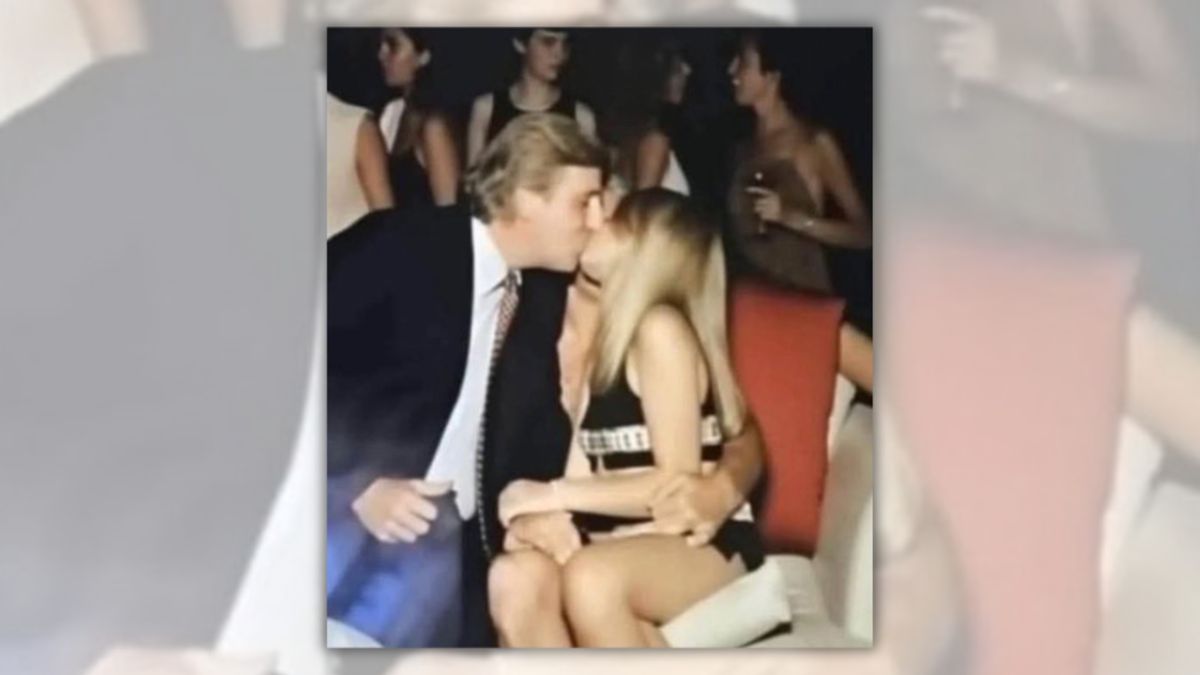
In mid-November 2023, a controversial image purportedly showing former U.S. President Donald Trump kissing a young girl spread rapidly across social media platforms. The image gained significant traction following the release of thousands of pages of documents by House Democrats related to the late convicted sex offender Jeffrey Epstein.
Multiple social media users shared the image with inflammatory captions, including one post on X (formerly Twitter) that directly accused the former president of pedophilia. The image quickly proliferated across various platforms including X, 9GAG, Threads, and Facebook, with many users appearing to accept its authenticity without question.
However, upon closer examination, fact-checkers identified numerous telltale signs that the image was generated using artificial intelligence rather than being a genuine photograph.
The most obvious indication of digital manipulation was the distorted anatomy present throughout the image. One hand in the scene displayed unnaturally elongated fingers, while another hand appeared to emerge from an anatomically impossible position. More glaringly, the young girl in the image appeared to have a third leg – a common error in AI-generated imagery where the technology struggles with accurately rendering human anatomy.
The background of the image contained additional inconsistencies, with distorted-looking individuals and other visual anomalies that are characteristic of AI image generation. These technical flaws are consistent with limitations in current AI image generation systems, which often struggle with accurately portraying human appendages and maintaining spatial coherence.
Fact-checkers also noted that this image bears striking similarities to a previously debunked fabricated image that allegedly showed Trump and Epstein together with a young girl. That earlier manipulated image contained similar anatomical impossibilities, including Trump having only one leg and Epstein appearing to dissolve into furniture – common artifacts of poorly executed digital manipulation or AI generation.
The circulation of this fabricated image coincides with renewed public interest in connections between Trump and Epstein following the document release by House Democrats. While legitimate documents and testimony regarding these connections exist and warrant public scrutiny, this particular image represents a concerning trend of using increasingly sophisticated AI tools to create and spread misinformation.
Multiple fact-checking organizations across different countries have investigated and debunked this image, including Observador in Portugal and Verificador La República in Peru, in addition to U.S.-based fact-checking groups.
The proliferation of such convincing but fake imagery poses growing challenges for media consumers. Experts recommend several strategies for identifying AI-generated images, including closely examining hands and fingers (which AI often renders poorly), looking for inconsistent lighting and shadows, checking for unusual background elements, and being particularly skeptical of emotionally charged images that appear on social media without clear attribution to original sources or professional photographers.
This incident highlights the importance of media literacy in an era of increasingly sophisticated AI image generation tools. As these technologies continue to advance, distinguishing between authentic and fabricated visual content will require heightened awareness and careful scrutiny from social media users.
While legitimate questions about relationships between public figures may warrant investigation, fabricated visual evidence undermines legitimate discourse and contributes to the erosion of factual consensus in public debate.
Fact Checker
Verify the accuracy of this article using The Disinformation Commission analysis and real-time sources.

18 Comments
This is a good reminder of the importance of critical thinking and not blindly accepting images or claims we see online. The fact-checkers’ diligence in exposing this as a fake is commendable.
Agreed. Maintaining a healthy skepticism and verifying information before sharing is crucial in today’s digital landscape. Kudos to the fact-checkers for their thorough investigation.
I’m glad the truth about this image has been revealed, but it’s still concerning to see how quickly it spread online. We need to keep working to educate people on the importance of verifying information and not contributing to the proliferation of fake content.
Absolutely. Raising awareness about media literacy and responsible sharing is key. The fact-checkers have done a great service in exposing this as a fake, but the work of combating misinformation is ongoing.
The technical details provided by the fact-checkers are really interesting. It’s impressive how they were able to identify the digital manipulation through analysis of the image’s distortions and anomalies.
Yes, the fact-checkers’ expertise in image forensics is clearly invaluable. Their ability to spot the telltale signs of AI-generated content is crucial for combating the spread of misinformation.
I’m curious to learn more about the technical analysis that exposed this as a fake image. What specific techniques did the fact-checkers use to identify the digital manipulation?
That’s a great question. Understanding the methodology behind detecting AI-generated or manipulated images is crucial for spotting misinformation in the future. Hopefully the fact-checkers can provide more details on their process.
Wow, that’s a very concerning image. It’s critical we verify the facts here before jumping to conclusions. Manipulated images can spread misinformation and do real harm, so I’m glad the fact-checkers looked into this closely.
Agreed, we need to be extremely careful about spreading unverified claims, especially around sensitive topics. I appreciate the diligence in getting to the bottom of this.
While I’m relieved this image turned out to be fake, it’s still concerning to see the rapid spread of such content. We need to be vigilant about fact-checking and not contributing to the proliferation of misinformation.
Absolutely. The speed at which misinformation can spread online is alarming. Fact-checking and media literacy are essential skills for navigating the digital world responsibly.
The fact-checkers’ detailed analysis of the image’s distortions and anomalies is really fascinating. It’s impressive how they were able to conclusively identify this as a digitally manipulated piece of content.
Yes, the technical expertise demonstrated here is commendable. Their ability to spot the telltale signs of AI-generated imagery is crucial for maintaining the integrity of information online.
While I’m relieved this turned out to be a fake, it’s still disturbing to see such content circulating. We need to be extra vigilant about verifying information, especially when it involves sensitive topics like this.
Absolutely. Fact-checking is essential to combat the spread of misinformation, which can have real-world consequences. I’m glad the truth was uncovered in this case.
Hmm, the distorted anatomy and third leg are pretty clear signs of digital manipulation. It’s disappointing to see this kind of fake content spreading, but I’m glad the truth is being brought to light.
Absolutely, it’s important we remain vigilant and fact-check claims, no matter how salacious they may seem. Misinformation can have serious consequences, so kudos to the fact-checkers for their work.