


Listen to the article
In a concerning development for social media users, a false rumor claiming legendary singer Barbra Streisand has been diagnosed with glioblastoma, an aggressive form of brain cancer, has been circulating widely across multiple platforms since March.
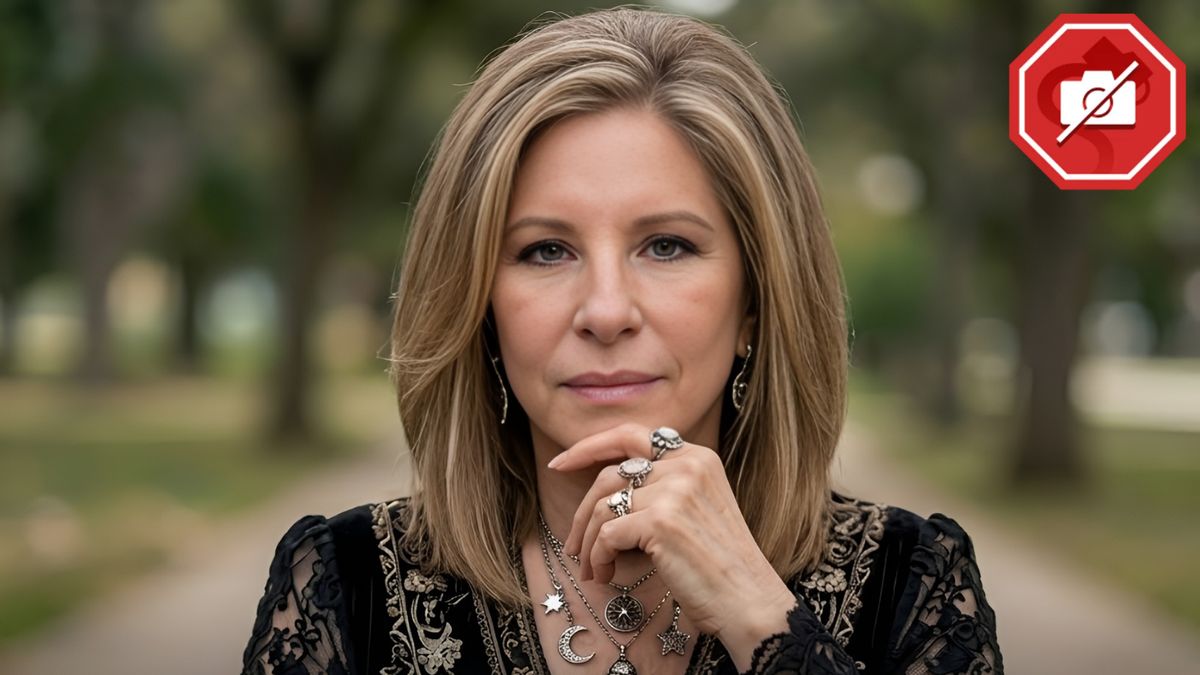
The fabricated story first gained traction through Facebook posts claiming “BREAKING NEWS” about the iconic performer facing “the most difficult battle of her life.” These posts typically featured what appeared to be a professional photo of Streisand with emotionally charged text describing her supposed struggle with the disease.
An investigation reveals no credible news sources have reported on such a diagnosis. Major news organizations, which would certainly cover a health crisis affecting one of entertainment’s most celebrated figures, have published nothing to substantiate these claims. Streisand, whose career spans over six decades with numerous Grammy and Academy Awards, remains one of the entertainment industry’s most recognizable figures.
The false rumor appears to be part of a growing trend of AI-generated misinformation targeting celebrities. Analysis of the images used in these posts shows telltale signs of artificial intelligence manipulation, including unnaturally smooth skin textures and suspiciously polished portrait styles. Text analysis tools have identified the written content as almost certainly AI-generated, with one detection platform rating the probability at 100 percent.
These fabricated stories employ several deceptive techniques to appear authentic. Many include “BREAKING NEWS” banners and use emotionally manipulative language designed to elicit sympathy and engagement from unsuspecting users. The posts often direct users to external WordPress blogs filled with advertisements, revealing the likely profit motive behind the misinformation.
The websites linked in these posts employ additional technical deceptions, including anti-crawling techniques that substitute Cyrillic characters for Latin letters to evade detection by fact-checking systems. This sophisticated approach suggests an organized effort to spread the misinformation while monetizing user traffic.
This pattern of celebrity health misinformation is not isolated to Streisand. Similar fabricated stories recently targeted climate activist Greta Thunberg, also falsely claiming she had been diagnosed with stage IV glioblastoma. The identical disease claim and similar distribution methods point to a systematic approach by these content farms.
Social media platforms have struggled to contain this type of misinformation, which media literacy experts sometimes refer to as “AI slop” – low-quality, artificially generated content designed to appear authentic while driving engagement through emotional manipulation.
The Streisand rumor highlights the evolving challenges of digital media literacy in an era when artificial intelligence can create increasingly convincing fake news. For casual users, red flags for this type of content include vague medical claims without specific attribution to doctors, hospitals, or family representatives; emotionally manipulative language; and calls to “share” for sympathy.
When contacted about the false posts, managers of the pages spreading the misinformation did not respond to requests for comment.
As AI-generated content becomes more sophisticated, media experts recommend verification through multiple trusted news sources before accepting claims about public figures, especially those involving serious health conditions or death announcements.
For now, fans of the 81-year-old entertainment legend can be assured that contrary to these viral claims, there is no credible evidence suggesting Streisand is battling brain cancer or any other serious health condition.
Fact Checker
Verify the accuracy of this article using The Disinformation Commission analysis and real-time sources.

9 Comments
The details in this report show how the fabricated claim about Streisand’s diagnosis appears to be AI-generated misinformation. Important to rely on credible news sources for celebrity health updates.
Exactly, the complete lack of coverage from major media outlets is a clear indication this rumor is unfounded. Fact-checking is crucial these days.
Glad to see this debunking of the Barbra Streisand brain cancer rumor. Fact-checking is vital to maintaining trust in the information we consume online.
Glad to see this fact check clearing up the rumor about Barbra Streisand’s health. Misinformation targeting celebrities is an alarming trend we need to be vigilant about.
Interesting to see the analysis of the images used in the false posts showing signs of artificial intelligence. The growing problem of AI-generated misinformation is concerning.
This fact check provides valuable insight into the tactics used to spread misinformation, like the fabricated “BREAKING NEWS” posts about Streisand’s health. Staying vigilant is crucial.
This is an important reminder to be skeptical of unsubstantiated celebrity health rumors, especially those spread on social media. Fact-checking is essential to combat the spread of misinformation.
Agreed. Responsible journalism and critical thinking are key to combating this trend of AI-fueled misinformation targeting public figures.
Appreciate this diligent fact check. Streisand is a music icon, and it’s good to know she is not actually facing a serious health crisis as the social media posts claimed.