


Listen to the article
Viral Video Falsely Claims JD Vance’s Pakistan Visit Canceled
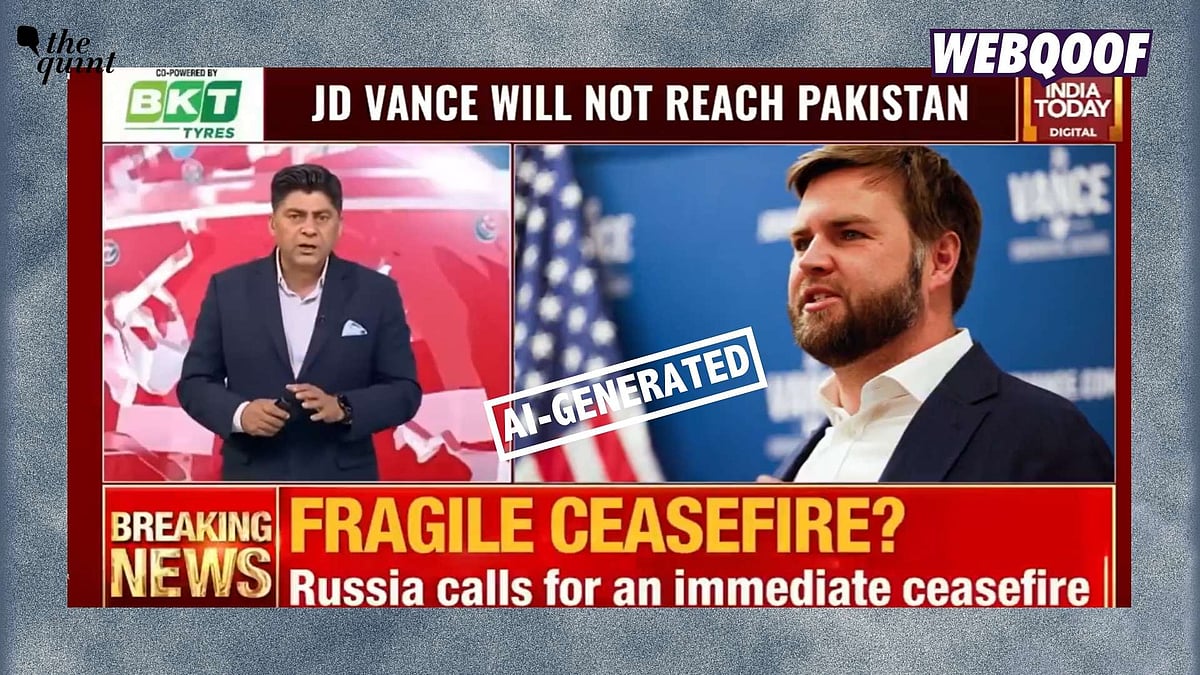
A fabricated video circulating widely across social media platforms has sparked confusion with its false claim that U.S. Vice President JD Vance has canceled a diplomatic visit to Pakistan. The deceptive content, which has garnered thousands of shares and views, purports to show India Today news anchor Gaurav Sawant reporting that Vance’s plane would be turning back to the United States before reaching Pakistani airspace.
In the manipulated footage, the supposed news segment claims Israeli sources confirmed that Vice President Vance would not complete his scheduled diplomatic mission to Pakistan. The video mimics the visual style and presentation format of India Today’s regular broadcasts, lending it a veneer of authenticity that has contributed to its rapid spread online.
Digital forensics experts who examined the video have confirmed it bears all the hallmarks of artificial intelligence manipulation. The content was not produced by India Today, and no such report was ever broadcast by the prominent English-language Indian news channel. This represents yet another example of increasingly sophisticated AI-generated misinformation targeting high-profile political figures and international relations.
The timing of this fabricated news item is particularly notable as it emerges amid already complex diplomatic relations between the United States and Pakistan. The two nations have experienced fluctuating tensions in recent years, particularly regarding counterterrorism cooperation, regional security concerns, and Pakistan’s relationship with neighboring countries.
Media literacy advocates point to this incident as further evidence of how AI tools are being weaponized to create convincing fake news content that can potentially influence public perception and diplomatic relations. The realistic rendering of a known news anchor delivering false information demonstrates the evolving challenges in distinguishing legitimate reporting from sophisticated forgeries.
India Today, one of India’s leading media organizations, has faced similar impersonations before. The network maintains significant influence across South Asia, with its reporting on regional geopolitics reaching millions of viewers. Unauthorized use of its brand and reporters in fabricated content exploits the channel’s credibility to amplify false narratives.
The fabricated video appears designed to suggest tensions or complications in U.S.-Pakistan diplomatic channels. Pakistan remains a strategically significant nation in South Asia, particularly regarding regional stability, counterterrorism efforts, and its proximity to Afghanistan. Any suggestion of canceled high-level diplomatic visits naturally attracts attention and speculation.
Social media platforms have struggled to contain the spread of such sophisticated fake content. Despite policies against misinformation, the video managed to proliferate across multiple platforms before fact-checkers could effectively intervene. This highlights ongoing challenges in detecting and limiting the spread of AI-generated content designed to mimic legitimate news sources.
Security analysts note that fabricated diplomatic news can potentially impact market stability, diplomatic relations, and public perception. False claims about canceled high-level visits between nations can create unnecessary speculation about deteriorating bilateral ties or regional instability.
The incident underscores the growing need for enhanced digital literacy and verification skills among general audiences. Media experts recommend that viewers exercise particular caution with sensational diplomatic news, especially when it appears exclusively on social media channels rather than through multiple established news outlets.
As AI-generated content becomes increasingly sophisticated, distinguishing between authentic and fabricated news will require greater vigilance from both institutional gatekeepers and individual consumers of information. This incident serves as yet another reminder of the evolving landscape of digital misinformation and the challenges it presents to public discourse on international affairs.
Fact Checker
Verify the accuracy of this article using The Disinformation Commission analysis and real-time sources.

9 Comments
The proliferation of deepfake videos is a worrying trend that undermines trust in media and public discourse. I’m glad to see this particular fabrication was exposed, but it’s concerning to think about the potential for more sophisticated AI-generated fakes in the future.
It’s disheartening to see how easily misinformation can spread through manipulated media like this deepfake video. I’m glad the experts were able to expose it as fabricated, but it’s a sobering reminder of the challenges we face in combating the rise of AI-generated deceptions.
This is a timely reminder of the need to be cautious about online content, even if it appears to come from reputable news sources. The use of AI to create deepfakes is a growing concern, and we all need to be more discerning consumers of information.
Absolutely. Critical thinking and fact-checking have never been more important in the digital age. It’s easy for false narratives to spread rapidly, so we must be vigilant about verifying claims before believing or sharing them.
Interesting fact-check on this alleged India Today report. It’s concerning to see the rise of sophisticated deepfake videos like this, which can spread misinformation so easily. I’m glad the experts were able to confirm it was fabricated.
Yes, the ability to create such realistic-looking fake news content is quite alarming. Fact-checking and media literacy will be crucial going forward to combat these types of deceptions.
It’s good that this fabricated video was exposed as a deepfake. With the rapid advancements in AI, we’re likely to see more of these types of manipulated media trying to pass as legitimate news. Staying vigilant and verifying sources is key.
This story highlights the ongoing challenge of combating misinformation and deepfakes online. It’s crucial that we remain skeptical of online content, even from seemingly reputable sources, and always verify facts before sharing. Fact-checking efforts like this one are essential.
Agreed. Maintaining a healthy dose of skepticism and relying on authoritative, fact-based sources is key to navigating the current information landscape. This type of diligent fact-checking is vital to upholding the integrity of news and public discourse.