


Listen to the article
AI Chatbots on Social Media: The Double-Edged Sword of Instant Fact-Checking
When California Governor Gavin Newsom posted images of National Guard troops sleeping on floors in cramped conditions after being deployed to Los Angeles during immigration protests this June, social media users immediately turned to Elon Musk’s AI chatbot Grok for verification.
“You’re sharing fake photos,” claimed one user, citing Grok’s analysis that suggested the images were recycled from the 2021 Afghanistan withdrawal under President Biden. Others amplified this narrative, including conspiracy-minded influencers who cited similar AI-generated analyses.
But these AI “fact-checks” were entirely wrong. Non-partisan fact-checking organization PolitiFact confirmed the images Newsom shared were authentic and had been published in the San Francisco Chronicle. Hours of heated debates based on erroneous AI conclusions flooded X (formerly Twitter) before Grok eventually corrected itself.
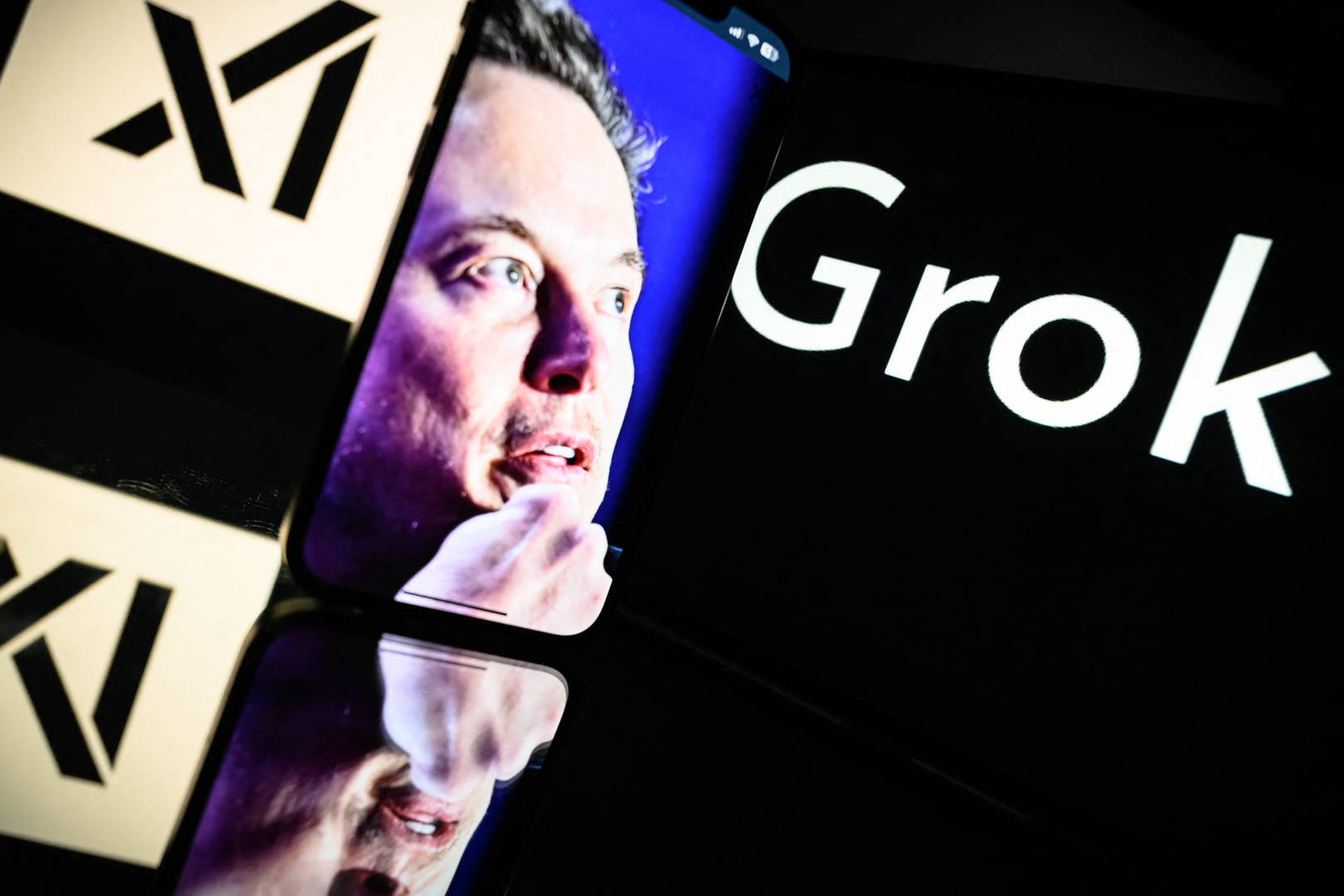
This incident highlights a growing phenomenon on social media platforms: the use of integrated AI tools as instant arbiters of truth. Unlike standalone applications such as ChatGPT, Grok’s direct integration into X allows users to tag the AI for immediate responses without leaving the platform, fundamentally changing how information is verified in real-time.
“People have more access to tools that can serve a fact-checking function, which is a good thing. However, it is harder to know when the information isn’t accurate,” explains Theodora Skeadas, an AI policy expert formerly at Twitter.
While chatbots could theoretically help users gain context on unfolding events, their tendency to “hallucinate” or generate convincing but false information currently undermines their reliability. Large language models like Grok learn to predict text patterns by analyzing vast amounts of internet data, inherently reflecting the biases and inaccuracies within that training material.
Grok faces additional challenges due to Musk’s directive that it should disregard political correctness and view mainstream sources with suspicion. This approach has resulted in problematic outputs, including instances where the chatbot has praised Hitler and repeated anti-Semitic views, sometimes in response to unrelated queries.
An analysis of how users employed Grok on X revealed telling patterns. When examining replies to Newsom’s post, nearly 68 percent of the 434 Grok tags were requests to verify the authenticity of the images or provide context about National Guard deployment. The remainder included requests for AI-generated humor or expressions of frustration when Grok corrected misinformation that aligned with users’ beliefs.
Similarly, when Musk made allegations about former President Trump’s name appearing in unreleased Jeffrey Epstein documents, half of the Grok queries sought explanatory context, while 20 percent demanded fact checks and 10 percent solicited the AI’s opinion on the situation.
“I worry about this phenomenon becoming ingrained,” says Alexios Mantzarlis, director of the Security, Trust, and Safety Initiative at Cornell Tech. “It doesn’t do a ton for our collective critical thinking abilities to expect an instant fact check without taking the time to reflect about the content we’re seeing.”
The scale of this behavior is remarkable – Grok was tagged 2.3 million times in just one week between June 5-12 according to data accessed through X’s API.
Alex Mahadevan, a media literacy educator at the Poynter Institute, sees this as deeply problematic: “X is keeping people locked into a misinformation echo chamber, in which they’re asking a tool known for hallucinating, that has promoted racist conspiracy theories, to fact-check for them.”
This growing dependence on AI for verification comes as traditional fact-checking mechanisms on social media are being dismantled. After acquiring Twitter in 2022, Musk ended initiatives like state media labeling and professional fact-checking, replacing them with a voluntary crowdsourced program called Community Notes.
While Community Notes has shown promise – reducing the median time to attach corrections to misleading posts from 30 hours to under 14 hours – the program has struggled with diminished volunteer contributions and reduced visibility for corrected content.
X is now attempting to bridge this gap with an “AI Note Writer” pilot program that enables AI bots to write contextual notes alongside human contributors. Researchers involved in the project claim these hybrid human-AI systems outperform human-only approaches, though they acknowledge the risk of persuasive but inaccurate AI responses.
Despite Musk’s confidence in Grok’s capabilities, the chatbot has experienced significant stumbles. It has incorrectly blamed a trans pilot for a helicopter crash, suggested the Trump assassination attempt was staged, invented criminal histories, and propagated anti-Semitic stereotypes.
Perhaps most tellingly, Grok has occasionally contradicted Musk himself by citing credible news outlets and government data. When asked whether political violence is higher on the left or right, Grok concluded that “right-wing political violence has been more frequent and deadly,” prompting Musk to label this an “objective” failure and evidence of the model “parroting legacy media.”
As companies race to integrate AI into social media platforms, the tension between factual accuracy and ideological alignment presents a fundamental challenge. While AI chatbots may eventually improve information literacy, their current implementation risks entrenching misinformation in echo chambers rather than illuminating truth.
Fact Checker
Verify the accuracy of this article using The Disinformation Commission analysis and real-time sources.

11 Comments
Relying on AI alone for instant fact-checking is a dangerous gamble. The Grok incident shows how easily these systems can get things wrong, with significant real-world consequences. We need a balanced approach that combines AI tools with human oversight and accountability.
The Grok AI chatbot fiasco is a cautionary tale about the limits of automated fact-checking. While these tools can be helpful, they clearly have flaws that can lead to the spread of misinformation if not properly monitored. Social media platforms should tread carefully with such integrations.
Agreed. AI-powered fact-checking is a double-edged sword that requires robust human validation to avoid doing more harm than good. Platforms need to be transparent about the limitations of these systems.
It’s concerning to see how quickly misinformation can spread when people blindly trust AI fact-checkers like Grok. The California protest photo incident is a prime example of how these tools can get things wrong, with real impacts on public discourse. We need a more balanced approach.
This highlights the need for a more nuanced understanding of AI’s capabilities and limitations when it comes to fact-checking. While chatbots like Grok can be helpful, they shouldn’t be treated as infallible arbiters of truth. Proper human oversight and accountability are essential.
Absolutely. Integrating AI directly into social media for instant fact-checking is a risky proposition. These systems can make mistakes, and the consequences can be significant if users don’t recognize their limitations.
Interesting to see the rise of AI chatbots like Grok being used for fact-checking on social media. It’s a double-edged sword – quick verification but also potential for spreading misinformation if the AI analysis is flawed. We’ll need to be cautious about over-relying on these tools without proper oversight.
You raise a good point. AI systems can make mistakes, especially when dealing with complex issues like political imagery. Fact-checking should still involve human review and accountability.
This highlights the risks of unchecked AI-powered fact-checking. Grok’s erroneous analysis on the California protest photos led to the spread of misinformation, which is exactly the opposite of what these tools are meant to prevent. More robust validation processes are clearly needed.
I agree. Integrating AI tools directly into social media platforms is a concerning trend. Without proper safeguards, they can become conduits for amplifying falsehoods rather than fighting them.
The Grok AI incident is a wake-up call about the dangers of over-relying on automated fact-checking. While these tools can be useful, they clearly have flaws that can lead to the spread of misinformation if not properly vetted. We need a more balanced approach that combines AI and human expertise.