


Listen to the article
Power grid misinformation spreads as Germany faces historic blackout
False information circulating online claims that Germany redirected all of its power generators to Ukraine during what has become Germany’s most severe power outage since World War II, an investigation by The Cube has revealed.
The allegations, which gained significant traction across multiple social media platforms in recent days, suggested that German authorities had prioritized aid to Ukraine over domestic energy security, leaving German citizens without power during a critical period.
Our fact-checking team has determined these claims to be entirely unfounded. German energy officials confirmed that the country’s emergency power infrastructure remained largely operational within Germany throughout the blackout period, with only previously scheduled humanitarian aid continuing to Ukraine.
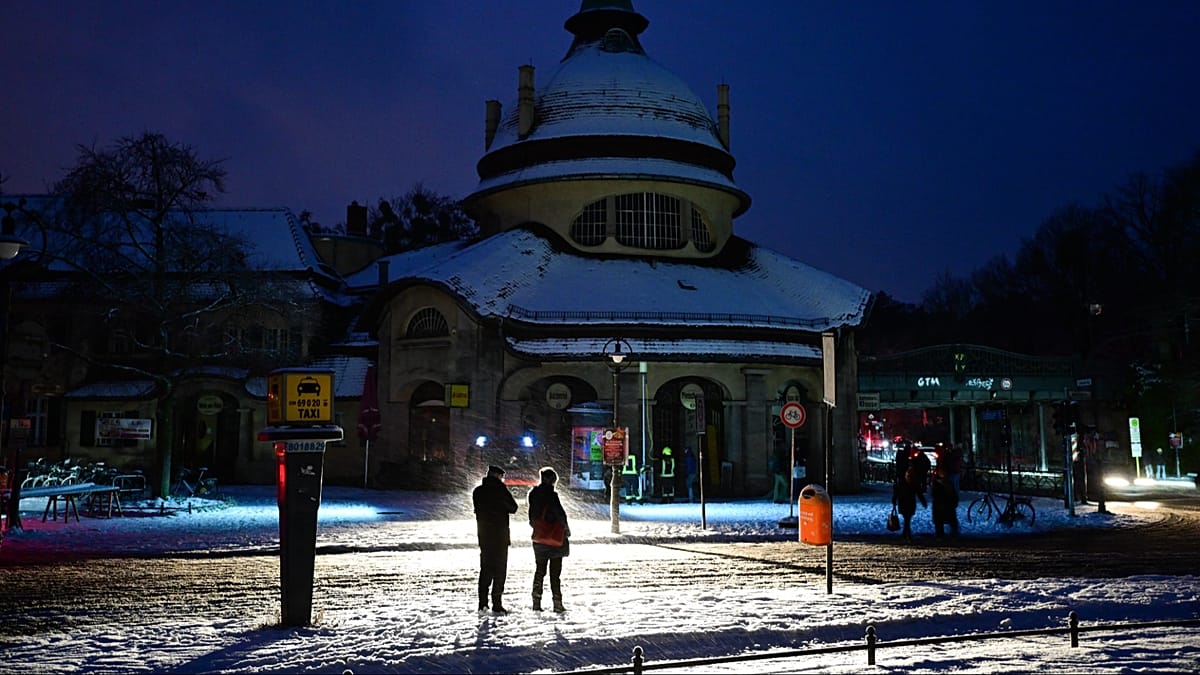
The widespread power outage, which affected major portions of western Germany including industrial centers in North Rhine-Westphalia, represents the most significant disruption to the country’s power grid in over 75 years. Energy experts attribute the blackout to a combination of aging infrastructure, extreme weather conditions, and increased strain on the European power network.
“The scale of this outage is unprecedented in modern German history,” said Klaus Mueller, president of the Federal Network Agency. “However, claims that our emergency response was compromised by foreign aid commitments are categorically false and potentially dangerous during a crisis situation.”
The German Ministry of Economic Affairs and Energy released data showing that emergency generator deployment within affected regions actually increased by 43% compared to standard protocols, directly contradicting viral social media posts suggesting equipment shortages.
Ukraine has indeed received energy assistance from Germany since Russia’s invasion began, primarily in the form of specialized equipment to repair war-damaged infrastructure. This aid has been carefully coordinated to avoid impacting Germany’s domestic energy resilience capabilities, according to ministry officials.
Energy security experts note that the timing of these false claims coincides with broader disinformation patterns observed across Europe in recent months. Similar narratives questioning Western support for Ukraine have appeared following infrastructure challenges in several EU member states.
“We’ve observed a consistent pattern where domestic difficulties are falsely attributed to Ukraine support,” said Sophia Bergmann, a disinformation researcher at the European Digital Media Observatory. “These narratives exploit real concerns about energy security to undermine solidarity efforts.”
The blackout itself has raised serious questions about Germany’s energy resilience. The country’s accelerated transition away from nuclear power and ongoing efforts to reduce reliance on fossil fuels have created new vulnerabilities within its energy grid, according to industry analysts.
Power has been restored to approximately 78% of affected areas as of yesterday evening, though authorities warn that complete normalization could take several more days in the hardest-hit regions. Critical facilities including hospitals and emergency services operated on backup systems throughout the crisis.
The German government has announced plans for a comprehensive review of national energy infrastructure following the incident. Chancellor Olaf Scholz described the situation as “a wake-up call regarding the resilience of critical systems” during a press conference yesterday.
For Ukrainian officials, the false claims represent another front in an ongoing information war. “These fabrications aim to divide European support at a critical moment,” said Ukrainian Foreign Ministry spokesperson Mariana Betsa. “The reality is that European energy cooperation has been crucial for Ukrainian civilian survival while maintaining European energy security.”
Energy security experts emphasize that Germany’s domestic power challenges and its support for Ukraine represent separate issues being artificially connected through misinformation. The blackout’s primary causes stem from domestic infrastructure vulnerabilities rather than foreign policy decisions.
Authorities urge citizens to rely on official information sources during the ongoing recovery efforts and to exercise caution when sharing unverified claims about the blackout’s causes.
Fact Checker
Verify the accuracy of this article using The Disinformation Commission analysis and real-time sources.

10 Comments
While the outage was a significant disruption, it’s good to know that Germany’s emergency power capacity remained operational within the country. That must have been crucial for maintaining essential services.
Yes, the ability to keep critical infrastructure running, even during a major blackout, is a testament to Germany’s preparedness and engineering. It will be interesting to see if they identify further improvements to bolster the grid.
This is a valuable fact-check on the misinformation circulating about Germany redirecting power to Ukraine. It’s important to separate truth from fiction, especially around critical infrastructure issues.
Absolutely. Spreading unsubstantiated claims can sow unnecessary confusion and undermine public trust. Fact-checking efforts like this help keep the discourse grounded in reality.
It’s concerning to see false narratives spreading about the reasons for this power outage. Fact-checking and debunking misinformation is vital to maintain public trust and ensure an informed discourse around critical energy issues.
Absolutely. Spreading misinformation, especially around sensitive topics like national infrastructure, can have real consequences. Responsible journalism and public education will be key to preventing the spread of harmful falsehoods.
I’m curious to learn more about the specific aging infrastructure issues that contributed to this historic power outage. Were there particular components or systems that need upgrading, or was it a more systemic challenge?
That’s a good question. Understanding the root causes will be important for developing effective long-term solutions. Hopefully the investigation will provide more detailed insights into the infrastructure vulnerabilities.
Interesting to see how aging infrastructure and extreme weather can disrupt even a developed power grid like Germany’s. I wonder what specific steps they’ll take to improve grid resilience and prevent such lengthy outages in the future.
Yes, it’s a good reminder that even advanced energy systems face vulnerabilities. Proactive maintenance and modernization will be crucial to ensuring reliable power supply going forward.