


Listen to the article
In an era of viral misinformation, Australian model and professional surfer Ellie-Jean Coffey found herself at the center of an international controversy after a private moment was misconstrued and shared widely across social media platforms.
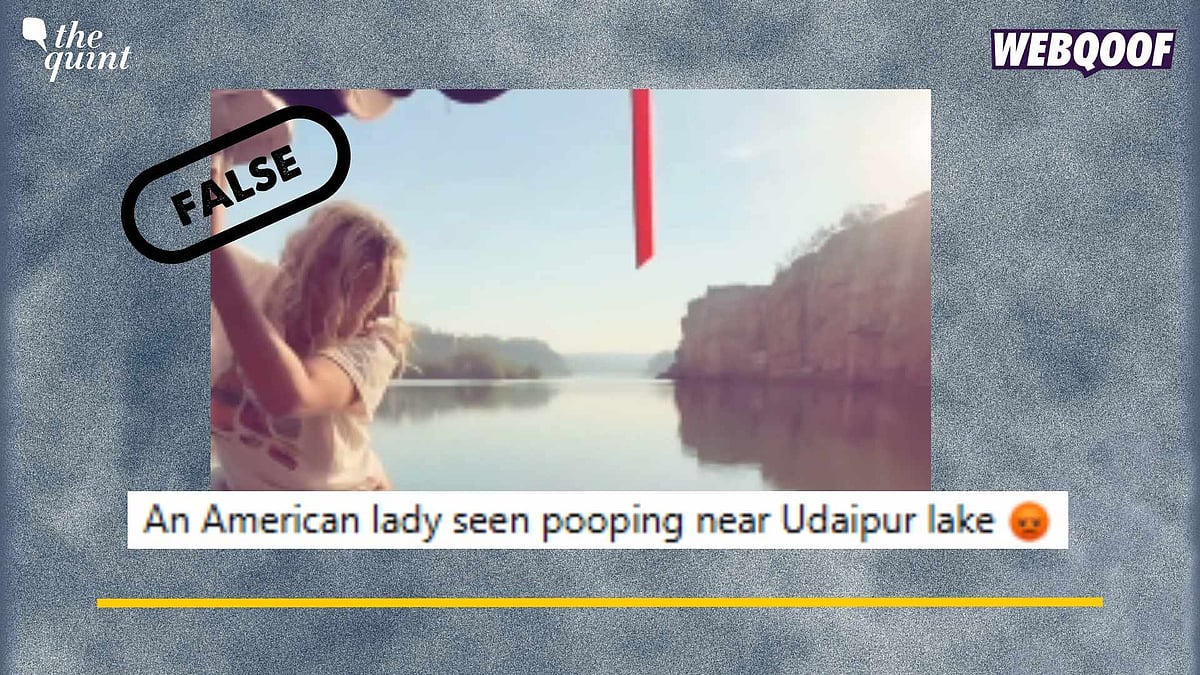
The incident began when a video showing Coffey relieving herself from a boat was circulated online with false claims that she had defecated in a sacred lake in India. The misattribution quickly sparked outrage, with the model receiving death threats and facing severe online harassment.
Through reverse image searches and keyword analysis, fact-checkers identified that the video originated from Coffey’s own Instagram account. The footage was not taken in India as alleged, but in the remote Kimberley region of Western Australia during a family boating excursion.
Both the Times of India and the Hindustan Times reported on the controversy after the video gained traction in India, where the false narrative had caused significant anger among viewers who believed a foreigner had disrespected local waters.
Australian news outlet News.AU covered the backlash Coffey faced, highlighting the dangerous consequences of digital misinformation. According to their reporting, the model received numerous death threats and abusive messages before she could clarify the situation.
Coffey explained that during the boat trip in Western Australia, she had relieved herself over the edge of the vessel while keeping an eye on a nearby crocodile—a far cry from the narrative that had been constructed around the footage.
The Kimberley region, where the video was actually filmed, is one of Australia’s most sparsely populated and biodiverse areas, known for its rugged wilderness and crocodile-inhabited waterways. The remote setting provides important context that was lost when the video was shared with false claims about its location.
This incident highlights the growing problem of decontextualized content on social media platforms, where videos and images can be stripped of their original context and repurposed to create misleading narratives. For public figures like Coffey, who has built a following as both a professional surfer and model, such misrepresentations can have real consequences for their personal safety and professional reputation.
Digital misinformation experts note that verification processes, such as reverse image searches, can help combat the spread of false information, but these tools are rarely employed by casual social media users before sharing content.
The false attribution to India was particularly problematic as it played into existing tensions around tourism and environmental respect. Sacred bodies of water hold significant cultural importance in many parts of India, making the alleged desecration particularly offensive to many viewers who believed the false narrative.
Coffey’s experience underscores the importance of critical media literacy in the digital age, where content can cross cultural and geographical boundaries in seconds, often losing crucial context along the way.
The incident has since been clarified by multiple news sources, confirming that the viral video showing Coffey was indeed from Australia and not India as claimed. However, the damage to her reputation and the emotional toll of receiving death threats demonstrate how digital misinformation can have severe real-world consequences.
As social media platforms continue to grapple with the spread of misleading content, cases like Coffey’s serve as a stark reminder of the responsibility that comes with sharing unverified information online.
Fact Checker
Verify the accuracy of this article using The Disinformation Commission analysis and real-time sources.

24 Comments
The cost guidance is better than expected. If they deliver, the stock could rerate.
Good point. Watching costs and grades closely.
Good point. Watching costs and grades closely.
Production mix shifting toward Fact Check might help margins if metals stay firm.
Good point. Watching costs and grades closely.
Interesting update on Australian Woman Caught on Video Defecating in Public, Not in India as Claimed. Curious how the grades will trend next quarter.
Good point. Watching costs and grades closely.
Interesting update on Australian Woman Caught on Video Defecating in Public, Not in India as Claimed. Curious how the grades will trend next quarter.
I like the balance sheet here—less leverage than peers.
Good point. Watching costs and grades closely.
Good point. Watching costs and grades closely.
The cost guidance is better than expected. If they deliver, the stock could rerate.
Uranium names keep pushing higher—supply still tight into 2026.
Good point. Watching costs and grades closely.
Exploration results look promising, but permitting will be the key risk.
Good point. Watching costs and grades closely.
Good point. Watching costs and grades closely.
Nice to see insider buying—usually a good signal in this space.
Uranium names keep pushing higher—supply still tight into 2026.
Good point. Watching costs and grades closely.
Good point. Watching costs and grades closely.
The cost guidance is better than expected. If they deliver, the stock could rerate.
Nice to see insider buying—usually a good signal in this space.
Good point. Watching costs and grades closely.