


Listen to the article
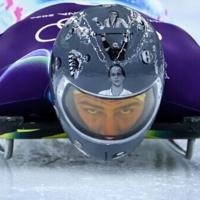
Ukrainian skeleton racer Vladyslav Heraskevych has emerged as a target in a sophisticated disinformation campaign, according to cybersecurity experts who have been tracking digital interference operations aimed at Olympic athletes.
The 25-year-old Heraskevych, who gained international attention during the 2022 Beijing Winter Olympics when he displayed a “No War in Ukraine” sign before Russia’s full-scale invasion, appears to be specifically targeted due to his outspoken stance against Russian aggression.
Security researchers identified a pattern of fabricated content and manipulated social media narratives designed to discredit the athlete, who has become a prominent voice among Ukrainian sports figures since the war began. The campaign includes doctored images, false quotes attributed to Heraskevych, and coordinated attacks across multiple platforms.
“These targeted operations have become increasingly common against high-profile individuals who speak out against Russian interests,” explained Dr. Marta Kowalski, a digital security analyst who specializes in Eastern European information warfare. “Athletes like Heraskevych represent Ukraine on the world stage and can garner significant international sympathy, making them valuable targets for those seeking to undermine Ukrainian credibility.”
The disinformation campaign appears to have intensified following Heraskevych’s recent statements supporting Ukrainian athletes’ refusal to compete against Russians in international competitions. The International Olympic Committee’s decision to allow Russian athletes to compete under a neutral flag has been controversial, with the Ukrainian Olympic Committee maintaining a strong position against such participation.
Sports analysts note that skeleton racing, while not among the most high-profile Olympic events, has symbolic importance in this context. The sport requires athletes to navigate treacherous tracks at high speeds with minimal protection – a metaphor that hasn’t been lost on Ukrainian commentators discussing their country’s current situation.
“Athletes from countries in conflict zones carry an additional burden,” said Thomas Wilson, a sports diplomacy expert at King’s College London. “They’re not just representatives in their sport; they become de facto ambassadors for their nation’s cause, especially when that nation is fighting for its survival and international support.”
Ukrainian government officials have condemned the disinformation campaign, with the Ministry of Digital Transformation issuing a statement warning that “Russian propaganda continues to target Ukrainian public figures across all sectors, including sports, to create division and erode international solidarity.”
Heraskevych, who finished 18th in the men’s skeleton at the Beijing Olympics, has continued training despite the ongoing war. His home training facility in Ukraine was damaged in Russian missile strikes last year, forcing him to relocate his preparation to facilities in neighboring European countries.
“I cannot remain silent when my country is under attack,” Heraskevych told reporters at a recent European competition. “If speaking the truth makes me a target for propaganda, then it only confirms the importance of continuing to speak out.”
Digital security experts have documented similar campaigns against other Ukrainian athletes and public figures since the war began in February 2022. These operations typically combine elements of traditional propaganda with modern digital manipulation techniques, including deepfakes and coordinated inauthentic behavior across social media platforms.
The International Olympic Committee has expressed concern about the targeting of athletes but has limited ability to counter such campaigns directly. Several international sports federations have established rapid response teams to identify and debunk false information about their athletes, though these efforts remain in early stages of development.
For athletes like Heraskevych, navigating both their athletic careers and their unexpected roles as targets in an information war presents unprecedented challenges. Sports psychologists have noted the additional mental strain this places on competitors already dealing with the trauma of war in their homeland.
Despite these pressures, Heraskevych continues to prepare for upcoming competitions while maintaining his advocacy for Ukraine. His experience highlights the increasingly complex intersection of sports, geopolitics, and information warfare in the modern Olympic movement.
Fact Checker
Verify the accuracy of this article using The Disinformation Commission analysis and real-time sources.

16 Comments
It’s disheartening to see how far the Kremlin will go to discredit and silence those who speak out against their interests. This Ukrainian athlete has become a prominent voice, and the efforts to undermine him through false narratives and doctored content are deeply troubling.
You’re right, this is a clear attempt to intimidate and silence dissenting voices. We must remain vigilant and continue to call out these blatant disinformation tactics wherever they occur.
The use of fabricated content and manipulated social media narratives to undermine this Ukrainian athlete is a clear attempt to silence dissent and control the narrative. It’s crucial that we remain vigilant and call out these blatant disinformation tactics wherever they occur.
Agreed. Defending the freedom of expression and standing in solidarity with those who refuse to be silenced is a vital part of the fight against Russian propaganda and its attempts to distort the truth.
This disinformation campaign targeting a Ukrainian Olympic athlete is a troubling example of how Russia is using sophisticated digital manipulation to try and discredit and silence those who challenge their narratives. We must continue to expose and counter these tactics to protect the truth.
Absolutely. Shining a light on these coordinated attacks and supporting those who refuse to be intimidated is crucial in the ongoing battle against Russian disinformation and its attempts to control the narrative surrounding the war in Ukraine.
The efforts to undermine the credibility of this Ukrainian skeleton racer through fabricated content and manipulated social media narratives are a clear attempt to stifle his voice and prevent him from challenging the Kremlin’s interests. We must remain vigilant and defend the truth against such blatant disinformation tactics.
Well said. Protecting the freedom of expression and standing in solidarity with those who refuse to be silenced is essential in the fight against Russian propaganda and its attempts to distort the facts surrounding the conflict in Ukraine.
This disinformation campaign targeting a Ukrainian Olympic athlete is a concerning example of how Russia is using sophisticated digital manipulation to try and undermine those who challenge their narratives. We must remain vigilant and defend the truth against such coordinated attacks.
Absolutely. Shining a light on these tactics and supporting those who refuse to be silenced is crucial in the fight against Russian disinformation and propaganda.
The use of fabricated content and manipulated social media to undermine the credibility of this Ukrainian skeleton racer is a blatant attempt to stifle his voice. It’s crucial that we call out these disinformation tactics and stand in solidarity with those who refuse to be silenced.
Absolutely. Exposing and countering these coordinated disinformation campaigns is essential to protect the freedom of expression and ensure the truth prevails, especially in the context of the war in Ukraine.
It’s alarming to see how the Kremlin is leveraging disinformation to target and discredit Ukrainian public figures like this skeleton racer. These coordinated attacks on individuals who dare to speak out against Russian aggression are a disturbing trend that must be challenged.
Well said. Countering these disinformation campaigns and protecting the voices of those who stand up for the truth is essential in the ongoing information war surrounding the conflict in Ukraine.
This is a concerning case of disinformation targeting a Ukrainian athlete who has spoken out against Russian aggression. It’s troubling to see coordinated campaigns aimed at discrediting and silencing those who dare to challenge the Kremlin’s narratives.
You’re right, these targeted attacks on prominent individuals are becoming all too common. Athletes and public figures who dare to voice opposition to Russia’s interests are especially vulnerable.