


Listen to the article
Russian intelligence services have orchestrated an elaborate disinformation campaign targeting Ukrainian skeleton racer Vladyslav Heraskevych, according to security officials familiar with the operation. The campaign represents the latest in a series of Russian efforts to undermine Ukrainian athletes on the international stage.
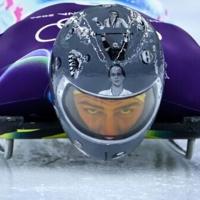
Heraskevych, who gained international attention during the 2022 Winter Olympics in Beijing when he displayed a “No War in Ukraine” sign after a competition run, has become a prominent voice for Ukrainian athletes since Russia’s full-scale invasion began shortly after those Games.
Intelligence sources revealed that the operation against Heraskevych involved creating fake social media accounts, distributing fabricated statements allegedly made by the athlete, and planting false stories in fringe media outlets that were later amplified by Russian state-backed networks.
“This is a textbook example of how Russian disinformation works,” said Dmytro Kuleba, Ukraine’s Foreign Minister, in a statement addressing the campaign. “They target individuals who represent Ukraine positively on the world stage, particularly those who have spoken out against Russian aggression.”
The false narratives attempted to portray Heraskevych as disillusioned with Ukraine’s military efforts and suggested he was considering renouncing his citizenship – claims the athlete has vehemently denied.
“I have always been and will remain a proud Ukrainian,” Heraskevych told reporters during a press conference in Kyiv. “These fabricated stories are designed to demoralize Ukrainians and create division. It’s another front in Russia’s war against my country.”
Cybersecurity experts identified several telltale signs of a coordinated campaign, including synchronized posting patterns across multiple platforms and linguistic analysis suggesting the content originated from Russian-speaking authors attempting to mimic Ukrainian speech patterns.
The International Olympic Committee (IOC) issued a statement condemning the targeted disinformation, calling it “contrary to the Olympic values of respect and friendship.” The statement emphasized the importance of protecting athletes’ reputations from politically motivated attacks.
This incident is not isolated. Since the beginning of the war, numerous Ukrainian public figures have faced similar campaigns. Sports figures are particularly valuable targets due to their visibility and cultural significance.
“Athletes represent national identity in a very tangible way,” explained Dr. Sophia Raichel, an expert in information warfare at Georgetown University. “By attempting to co-opt or discredit these symbols, Russia aims to undermine Ukrainian morale and project an image of internal discord to international audiences.”
The skeleton federation has implemented additional security measures for Ukrainian athletes, including social media monitoring and rapid response protocols when false information begins circulating. Several international sports bodies have followed suit, recognizing the unique vulnerabilities their athletes face in the current geopolitical climate.
For Heraskevych, the experience has been personally taxing but has strengthened his resolve. The 24-year-old athlete has continued training while also working with NGOs to provide humanitarian assistance to Ukrainian communities affected by the war.
“They want to silence us, but they’ve achieved the opposite,” Heraskevych said. “More people now understand how information can be weaponized, and more athletes are speaking up.”
Digital forensics teams from several allied nations have collaborated to track and expose the network behind the disinformation effort. Their findings suggest connections to the same Russian military intelligence units previously implicated in election interference operations in Western democracies.
The Ukrainian government has established a dedicated task force to counter such campaigns, working with social media platforms to quickly identify and remove coordinated inauthentic behavior targeting public figures.
As the war approaches its third year, experts warn that information operations like those targeting Heraskevych will likely intensify, particularly around high-profile international events where Ukrainian athletes participate.
“Sports remain one of Ukraine’s most visible platforms on the world stage,” said Minister of Youth and Sports Vadym Guttsait. “Our athletes’ successes remind the world of Ukraine’s resilience and determination. That’s precisely why they’ve become targets.”
Fact Checker
Verify the accuracy of this article using The Disinformation Commission analysis and real-time sources.

9 Comments
The Russian government’s use of disinformation to attack Ukrainian athletes is a shameful tactic. Vladyslav Heraskevych should be commended for speaking out against the invasion, not smeared with fabricated claims. I hope the international community condemns these attempts to discredit him.
Agreed. Russia’s propagandists will stop at nothing to silence Ukrainian voices. The world should stand with Heraskevych and all Ukrainian athletes who courageously denounce the invasion.
It’s appalling to see Russia orchestrating such an elaborate disinformation campaign against a Ukrainian athlete. Vladyslav Heraskevych deserves praise for speaking out, not baseless attacks. I hope he and other Ukrainian voices can continue to be heard despite these underhanded tactics.
Yes, it’s crucial that the truth prevails over Russia’s fabrications. Heraskevych’s courageous stance against the invasion should be celebrated, not silenced.
Russia’s use of disinformation to target a Ukrainian athlete like Vladyslav Heraskevych is a despicable attempt to silence dissent. I hope the international community remains vigilant in calling out these tactics and continues to amplify the voices of Ukrainian athletes who courageously speak out.
This is a troubling development, but not surprising given Russia’s track record of using disinformation to discredit its critics. I hope the international community remains vigilant and continues to support and amplify the voices of Ukrainian athletes like Vladyslav Heraskevych.
It’s disheartening to see Russia stooping to such underhanded tactics to undermine a Ukrainian athlete who has spoken out against the invasion. Heraskevych should be applauded for his bravery, not subjected to a smear campaign. I hope the truth prevails over these fabrications.
This is a concerning report about Russian disinformation targeting a Ukrainian athlete. It’s troubling to see such blatant attempts to undermine Ukraine’s voice on the international stage. I hope the Ukrainian government can effectively counter this propaganda and continue to support its athletes.
This is a disturbing example of how Russia weaponizes information to undermine its critics. Targeting a prominent Ukrainian athlete like Heraskevych shows the lengths they will go to suppress dissent. I hope the international community remains vigilant against these disinformation campaigns.