


Listen to the article
Türkiye Denies Shooting Down U.S. Fighter Jet and Supplying Weapons to Iran
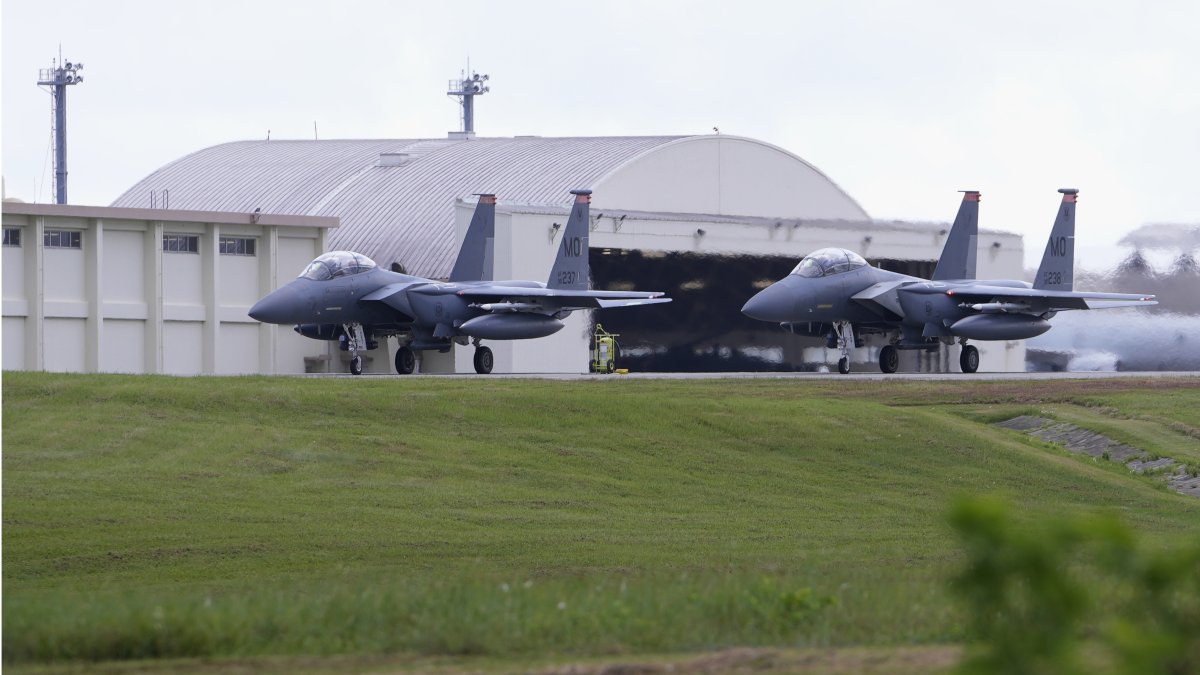
Türkiye’s Directorate of Communication’s Center for Combating Disinformation has firmly rejected circulating claims that Turkish air defense systems shot down a U.S. F-15 fighter jet or that the country is providing Iran with advanced anti-aircraft and UAV missiles.
In a statement released Saturday, the center characterized these allegations as “unfounded” and described them as “deliberate psychological warfare and black propaganda” designed to undermine Türkiye’s constructive regional role and its diplomatic peace efforts.
“These perception management operations, targeting Türkiye’s globally recognized diplomatic achievements, seek to mislead international public opinion,” the statement read. Officials urged the public to exercise caution against speculative claims from non-official sources that could potentially disrupt the delicate regional balance.
The allegations come amid heightened tensions in the Middle East following direct confrontations between Iran and the United States. On Sunday, Iran’s military claimed it destroyed three U.S. aircraft—two Black Hawk helicopters and a C-130 military transport aircraft—involved in a search operation for a crew member of a downed American F-15E fighter jet. Iranian state media distributed images purporting to show charred wreckage in a desert area.
U.S. President Donald Trump, however, announced that the missing crew member was “SAFE AND SOUND” following the rescue operation. Iranian media reported that strikes during this operation killed five people in southwestern Iran, though it remains unclear whether they were civilians or military personnel.
Türkiye has maintained a neutral stance in the escalating U.S.-Israel-Iran conflict, despite having significant diplomatic and economic ties with both Washington and Tehran. Instead of aligning with any particular side, the Turkish government has positioned itself as a potential mediator, working to end a conflict that threatens prolonged regional instability.
Turkish Foreign Minister Hakan Fidan has been engaged in intensive diplomatic efforts over recent weeks, participating in multilateral talks aimed at de-escalation. On March 29, Pakistan hosted discussions with Türkiye, Egypt, and Saudi Arabia focused on ending the conflict, with early proposals centered on reopening the Strait of Hormuz to shipping.
Türkiye’s geographic position—bridging Europe and Asia while sitting at the heart of the volatile Middle East—presents significant challenges in maintaining neutrality. Nevertheless, the government continues to pursue what it characterizes as “peace diplomacy,” engaging all parties while avoiding direct involvement in the conflict.
The country has already experienced direct impacts from regional instability. A ballistic missile was intercepted by NATO defense systems in Türkiye on March 30—the fourth such incident since hostilities escalated on February 28. Iran has denied responsibility for these missile launches, with Iranian Foreign Minister Abbas Araghchi warning Fidan in a recent phone call about “repeated false-flag operations aimed at undermining regional ties.”
This isn’t the first time Türkiye has had to combat disinformation related to the ongoing conflict. The Center for Combating Disinformation previously rejected claims that Türkiye would side with Iran and make an incursion into Lebanon.
Analysts note that Türkiye’s positioning reflects its complex geopolitical considerations, balancing its NATO membership with regional relationships. The country’s efforts to maintain neutrality while actively engaging in diplomatic initiatives highlights President Recep Tayyip Erdoğan’s long-standing ambition to establish Türkiye as an influential mediator in regional conflicts.
As tensions continue to rise between major powers in the region, Türkiye’s response to disinformation campaigns underscores the importance of information integrity during international crises, especially when false narratives could potentially escalate conflicts or damage diplomatic relationships that are crucial for regional stability.
Fact Checker
Verify the accuracy of this article using The Disinformation Commission analysis and real-time sources.

9 Comments
Interesting developments in the regional tensions. Glad to see Türkiye firmly denying any involvement in these alleged attacks. Maintaining open communication and diplomatic efforts will be key to de-escalating the situation.
In the midst of heightened regional tensions, it’s important that all parties involved exercise caution and restraint. Türkiye’s diplomatic role could be key to maintaining stability, so dismissing unfounded claims is a sensible move.
It’s good to see Türkiye actively refuting these disinformation attempts. Maintaining open communication and a focus on facts will be crucial as regional tensions continue to simmer. Türkiye’s diplomatic efforts could play a stabilizing role if handled carefully.
Türkiye’s denial of these allegations seems reasonable. Spreading unverified claims, even in the context of a complex geopolitical conflict, risks further destabilizing the situation. Careful diplomacy and fact-based reporting will be crucial going forward.
Türkiye’s response highlights the need to approach sensitive geopolitical claims with caution and rigor. Unverified allegations, even in a complex conflict environment, risk further destabilizing the situation. Fact-based reporting and transparent communication from all sides will be essential.
Allegations of defense system misuse or weapons transfers are serious claims that require thorough investigation. Türkiye’s rejection of these ‘black propaganda’ efforts is understandable given its efforts to broker regional peace. Fact-checking will be crucial here.
Agreed. Speculation and disinformation can easily inflame already tense situations. Türkiye’s transparent response is prudent, focusing on facts over rumor.
Türkiye’s efforts to combat disinformation and maintain regional stability are commendable. Allegations of defense system misuse or weapons transfers require rigorous investigation before drawing conclusions. Transparent communication from all parties will be essential.
Türkiye’s strong denial of these claims is understandable given its diplomatic role in the region. Unsubstantiated allegations can easily inflame already tense situations, so fact-checking and responsible reporting will be critical moving forward.