


Listen to the article
Turkey has restricted access to dozens of social media accounts and removed multiple content pieces as part of efforts to combat what officials describe as a coordinated disinformation campaign following recent military actions against Iran.
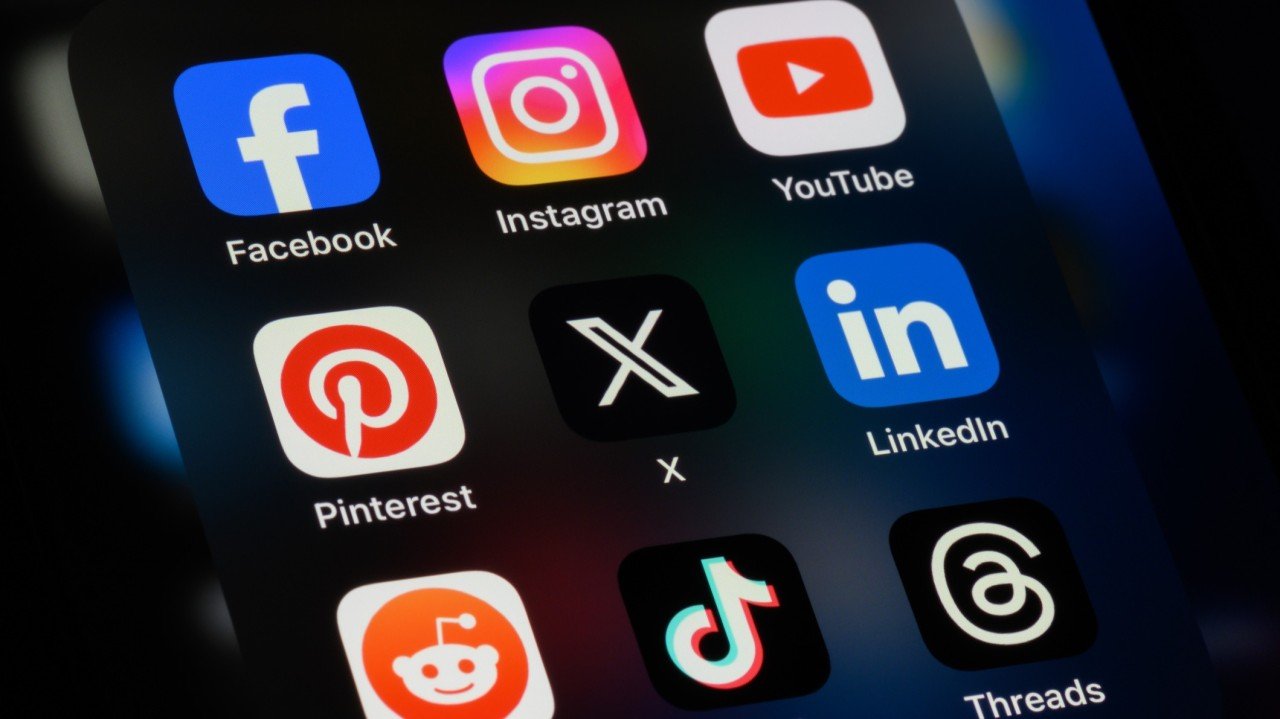
Presidential Communications Director Burhanettin Duran announced on Friday that authorities had blocked 41 social media accounts and removed 75 content items from various platforms. The targeted accounts, primarily on X (formerly Twitter), Facebook and Instagram, were accused of spreading false information and provocative content that officials claim was designed to sow public fear and undermine national unity.
“Since the first attacks on Iran, we have identified an intense effort across digital platforms to spread unverified content aimed at creating fear, panic and distrust among society,” Duran stated on his X account. The communications director emphasized that these measures were implemented to protect what Turkish officials commonly refer to as the “home front”—a term used to describe domestic solidarity during security crises.
The crackdown involved coordination between multiple government entities, including the Turkish Presidency’s Communications Directorate, the cybercrime department of the Security Directorate General, the Information and Communication Technologies Authority, and various chief public prosecutors’ offices. This multi-agency approach highlights the seriousness with which Turkish authorities view the perceived threat of digital misinformation.
Legal proceedings have been initiated against accounts posting content allegedly containing “criminal elements” or amounting to “psychological operations,” according to Duran. He also indicated that additional accounts remain under investigation, suggesting the possibility of further restrictions in the coming days.
This digital crackdown comes amid rising regional tensions following military actions involving Iran, which have had ripple effects throughout the Middle East. Turkey, which shares borders with several countries in the volatile region, has historically been sensitive to regional conflicts that could potentially impact its national security or domestic stability.
The move represents Turkey’s latest effort to tighten control over online discourse during periods of heightened security concerns. Under President Recep Tayyip Erdoğan’s government, Turkey has implemented increasingly stringent measures to regulate social media content, particularly during times of political tension or security threats. In 2020, the country passed controversial legislation requiring major social media companies to establish local offices in Turkey and comply with government demands to remove content.
Digital rights advocates have previously expressed concern that such broad powers could be used to silence legitimate political discourse and criticism under the guise of combating misinformation. Turkey has faced criticism from international organizations for its restrictive internet policies, with Freedom House’s 2023 “Freedom on the Net” report classifying the country as “not free” in terms of internet freedom.
Duran’s statement framed the digital sphere as “an inseparable part of national security,” reflecting the Turkish government’s view that controlling online narratives is essential to maintaining public order. “The Turkish state is acting decisively to counter attempts to manipulate public opinion during this sensitive period,” he added.
The current wave of content removals and account restrictions illustrates the growing importance governments place on controlling information flows during regional conflicts, as social media continues to serve as a primary source of news and information for many citizens. As regional tensions persist, Turkey’s approach to digital governance will likely remain a significant aspect of its broader security strategy.
Fact Checker
Verify the accuracy of this article using The Disinformation Commission analysis and real-time sources.

8 Comments
This seems like a reasonable response to combat the spread of disinformation during a sensitive security situation. Maintaining public trust and stability is critical, even if it means restricting some social media activity.
I agree, disinformation can be highly destabilizing, especially during times of conflict. Proactive steps to curb its spread are prudent.
While freedom of expression is important, national security concerns may sometimes necessitate limited restrictions, especially regarding the spread of unverified claims during sensitive geopolitical situations. It’s a delicate balance.
I’m curious to learn more about the specific types of disinformation that were being spread and how they were determined to be false or misleading. Transparent reporting on these issues is important.
That’s a good point. More details on the nature of the disinformation and the verification process would provide helpful context.
Blocking social media accounts for alleged disinformation seems like a strong measure. I hope the Turkish government has solid evidence to back up these claims and that the process was fair and transparent.
Agreed, transparency around the decision-making and enforcement process is crucial for maintaining public trust.
Combating the spread of disinformation is a complex challenge, especially in the digital age. It will be interesting to see how Turkey’s approach evolves and whether other countries adopt similar tactics.