


Listen to the article
In the aftermath of the shooting incident at the annual White House Correspondents’ Dinner, security experts and journalists alike are grappling not only with the breach itself but with an equally disturbing phenomenon: widespread public skepticism about whether the event actually occurred as reported.
What’s particularly alarming is that such doubt isn’t limited to conspiracy theory circles. Professionals including executives, doctors, and lawyers are questioning the authenticity of the attack, according to national security analysts who monitor information trends.
“What I am seeing is not just confusion; it is a fracture in shared reality,” said one veteran journalist who has covered disinformation for years. This represents a significant shift in how the public processes major events.
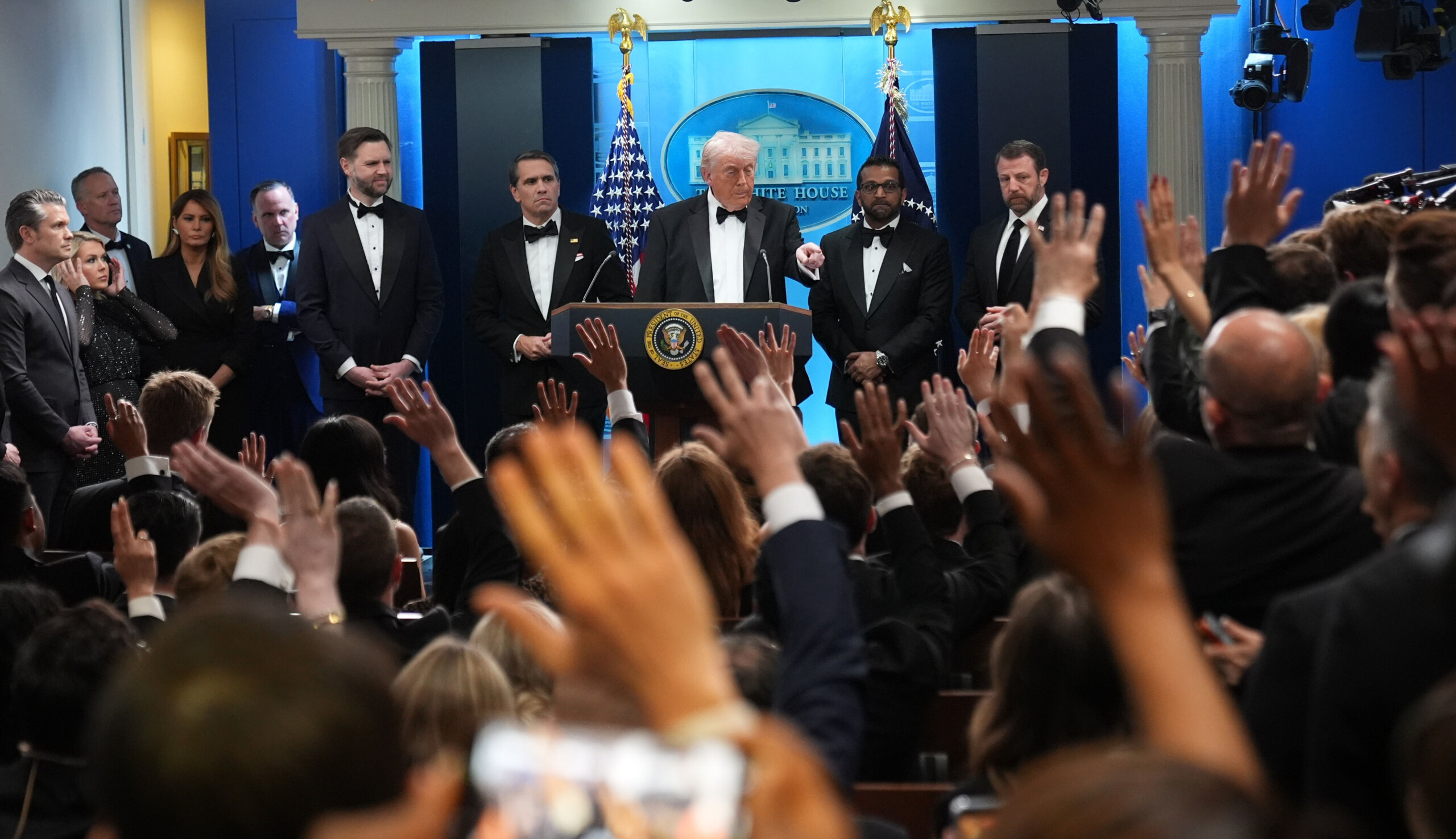
The incident itself was straightforward in factual terms. The U.S. Secret Service intercepted suspect Cole Tomas Allen, who now faces serious charges. President Trump later addressed reporters from the White House briefing room after being safely evacuated from the dinner venue.
However, the response pattern to this security breach reveals a troubling evolution in public discourse. Traditional information flows, where false narratives would eventually yield to verified reporting, appear to be breaking down.
“The goal is no longer to convince people of one false version of events. The goal is to make people question all versions,” explained a disinformation researcher who has tracked similar patterns in other high-profile incidents.
This erosion of public trust is being accelerated by technological advancements, particularly artificial intelligence. AI tools now make it easier to create convincing content that blurs the line between authentic and fabricated material. Social media platforms, optimized for engagement rather than accuracy, further amplify doubt-inducing content.
The mechanics of this phenomenon follow a predictable pattern: questions arise about an established event, gain traction through repetition, and quickly stand alongside verified information as seemingly equally valid interpretations. This creates what experts call a “doubt spiral” — where skepticism itself becomes newsworthy, further reinforcing the idea that nothing can be taken at face value.
National security professionals view this trend with particular concern. Security protocols rely fundamentally on clear communication and public trust in authorities during crises. When that trust erodes, effective response becomes more difficult.
“If people are questioning whether an attack even happened while they’re being told to evacuate, that hesitation creates vulnerability,” noted a former homeland security official familiar with emergency response procedures.
The White House Correspondents’ Dinner, traditionally a lighthearted evening where journalists and politicians briefly set aside adversarial relationships, has now become another flashpoint in America’s information crisis. What makes this incident different is not just the security failure, but how quickly substantiated facts about it have been called into question by people who would typically be considered rational analysts.
Media scholars point to several factors driving this shift. Beyond technology, political polarization has conditioned many Americans to view news through partisan lenses. Legitimate past media mistakes have eroded institutional credibility. And foreign influence operations have consistently worked to sow doubt in American information systems.
“We’re in an environment where the line between reality and narrative is constantly being challenged,” said one information security expert. “When credible people are no longer sure which is which, that becomes a vulnerability in itself.”
For security agencies, this presents a dual challenge: not only must they prevent physical threats, but they must now navigate an information landscape where their very communications about those threats face immediate skepticism.
As investigations into the security breach continue, experts suggest the parallel investigation into why factual reporting faces such immediate distrust may ultimately prove more consequential for national security in the long term.
Fact Checker
Verify the accuracy of this article using The Disinformation Commission analysis and real-time sources.

10 Comments
This is a concerning trend. It’s crucial that we have a shared understanding of facts, especially when it comes to major security incidents. Spreading doubt and conspiracy theories undermines public trust and can have serious consequences.
I agree. We need to be vigilant in verifying information from reliable sources and calling out misinformation when we see it. Maintaining a strong, factual public discourse is vital for a healthy democracy.
Disinformation can have serious consequences, as we’ve seen with this security breach. While questioning official narratives is healthy, the proliferation of baseless conspiracy theories is deeply concerning. We need to find ways to foster a more informed and evidence-based public dialogue.
Well said. Restoring public trust in institutions and reliable information sources is crucial. Achieving this will require a concerted effort from all stakeholders – the media, government, and the public itself. It’s a significant challenge, but one we must confront.
The erosion of shared reality is a worrying trend with far-reaching implications. We must be vigilant in identifying and countering disinformation campaigns, while also addressing the underlying factors that make people susceptible to such falsehoods.
Absolutely. Strengthening critical thinking, media literacy, and trust in institutions should be top priorities. This is a complex challenge, but one we must tackle head-on to preserve the integrity of our public discourse.
This is a complex issue without easy solutions. On one hand, a healthy skepticism of official narratives can be valuable. But on the other, outright denial of well-established facts is destructive. We need to find a balance that preserves critical thinking while upholding the truth.
Agreed. It’s a delicate balance, and we must be careful not to dismiss legitimate questions or concerns. However, dismissing clear evidence in favor of conspiracy theories is deeply troubling. Finding ways to foster constructive dialogue is key.
The White House Correspondents’ Dinner is an important tradition that brings together the media and government. While security breaches are always worrying, I’m concerned by the apparent erosion of trust in official accounts. We must find ways to restore faith in institutions.
Restoring trust is crucial, but it won’t be easy. Combating disinformation requires a multi-faceted approach, including better media literacy education and holding those who spread falsehoods accountable. It’s an ongoing challenge, but one we must address.