


Listen to the article
Russia’s Strategic Use of Diaspora Networks Raises Security Concerns Across Europe
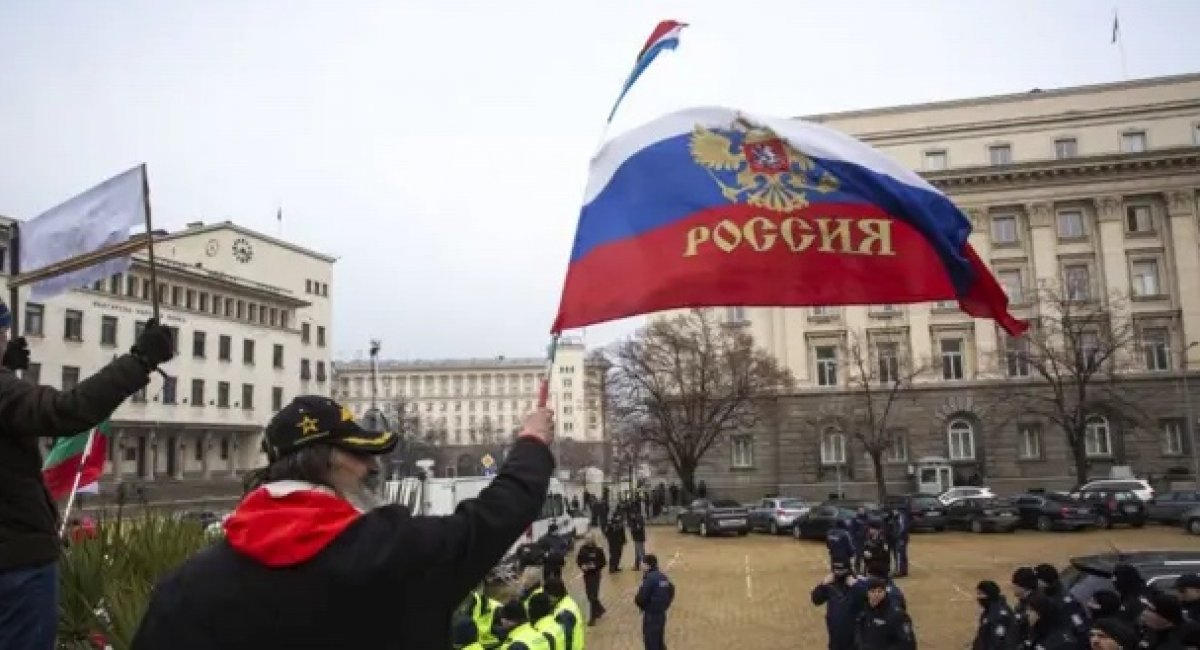
As Europe marks Victory Day on May 9, columns of people carrying portraits of soldiers, orange-black ribbons, and red flags will once again fill the streets of major European cities. While organizers present these events as commemorative in nature, security experts warn they represent something far more concerning: the visible edge of a massive state-funded influence operation that Moscow has cultivated for decades and dramatically expanded since its full-scale invasion of Ukraine in February 2022.
The Russian diaspora abroad is estimated to number between 10 and 25 million people. Rather than viewing these communities as independent cultural enclaves, the Kremlin has increasingly treated them as strategic resources to be leveraged for geopolitical gain. Intelligence reports indicate that Russian special services and foreign policy institutions have systematically transformed diaspora networks into active elements of hybrid warfare, particularly following Russia’s initial incursions into Ukraine in 2014.
The objectives behind these efforts appear clearly defined: lobby against international sanctions, create the appearance of grassroots support for Moscow’s military actions, gather intelligence, and undermine European support for Ukraine.
This influence architecture follows a sophisticated design, consisting of formally cultural or humanitarian organizations that operate under the practical direction of Russian state institutions and diplomatic missions. Rossotrudnichestvo, a federal agency, coordinates activities through “Russian Houses” established in dozens of European cities. Meanwhile, the Russkiy Mir Foundation finances educational initiatives that simultaneously promote Kremlin political narratives.
Other organizations play complementary roles in this ecosystem. Pravfond supports NGOs and media outlets across Europe, framing restrictions on Russian-language content as discrimination against ethnic Russians. Local “compatriot coordination councils” unite diaspora organizations under a single political voice that consistently echoes Russian Foreign Ministry messaging.
In the lead-up to Victory Day commemorations, Russian special services and diaspora structures coordinate mass events across European capitals, including rallies, motorcades, historical reenactments, and ceremonial flower-laying. While local pro-Russian movements and diaspora organizations formally organize these gatherings—such as the Nezakladnam CR movement in Prague and Russian Houses in Sofia, Warsaw, and Bucharest—security analysts note that the operational design behind them is transparent.
What were once genuine grassroots initiatives like the “Immortal Regiment” marches commemorating family members who fought in World War II have been co-opted by the state. Today’s events feature centrally coordinated scenarios, speakers, and symbols. Stalin portraits increasingly appear alongside Soviet flags, while slogans like “We can repeat” carry unmistakable references to military conquest.
“This is not about memory. This is a rehearsal for a new war,” warned one European security analyst who requested anonymity due to the sensitivity of their work.
The tolerance of these Russian diaspora events without proper oversight effectively provides public space for campaigns legitimizing ongoing aggression on European soil. Security experts emphasize that these are not merely memorial marches but platforms for influence operations and potentially for activities connected to Russian intelligence services.
European officials are increasingly concerned that these actions are deliberately accompanied by anti-sanctions rhetoric, calls for “peace at any cost,” and accusations that Western military aid to Ukraine is prolonging the conflict—all key elements of Russia’s hybrid aggression aimed at fracturing European unity.
Security analysts recommend several countermeasures for affected countries: greater transparency in monitoring organizational funding, applying foreign influence control mechanisms, clearly separating cultural initiatives from politically organized events, and supporting independent Russian civic initiatives as an important counterbalance to Kremlin propaganda.
Additional effective measures could include restricting the use of military and totalitarian symbols (such as St. George ribbons, the “Z” symbol, and Soviet iconography) and banning public statements justifying Russia’s aggressive war.
Experts also stress the importance of international cooperation, particularly within European and Euro-Atlantic structures, to share intelligence regarding specific organizations and coordinate effective responses to these security challenges.
As Europe again confronts this annual surge of Russian influence activities, officials emphasize that the continent must present a united front to ensure that Europe’s “never again” commitment prevails over Russia’s ominous “we can repeat” messaging.
Fact Checker
Verify the accuracy of this article using The Disinformation Commission analysis and real-time sources.

8 Comments
Interesting to see how Russia is weaponizing diaspora communities abroad to advance its geopolitical agenda. This highlights the need for greater transparency and oversight of foreign influence operations, especially around sensitive events like Victory Day commemorations.
Agreed. The Kremlin’s exploitation of diaspora networks for strategic gain is concerning and requires a coordinated response from European authorities to mitigate the security risks.
Russia’s systematic transformation of diaspora networks into active elements of hybrid warfare is a troubling trend. It underscores the need for greater international cooperation and information-sharing to identify and disrupt such foreign interference efforts.
This article raises important questions about the balance between cultural expression and political manipulation. While diaspora communities should have the right to commemorate their heritage, the Russian state’s interference is clearly crossing ethical and legal boundaries.
Exactly. The line between legitimate cultural activities and covert foreign influence operations is becoming increasingly blurred, which makes addressing this challenge all the more complex.
This is a timely and important article shedding light on Russia’s efforts to weaponize diaspora communities. It’s a sobering reminder of the lengths the Kremlin will go to destabilize its neighbors and project influence beyond its borders.
Absolutely. Policymakers and security experts will need to closely monitor these diaspora-based influence operations and develop effective countermeasures to protect the integrity of democratic processes in Europe.
The use of diaspora networks as a strategic tool against Ukraine is a concerning development. It speaks to Russia’s willingness to leverage any available means, including exploiting its own citizens abroad, to pursue its geopolitical objectives.