


Listen to the article
Swiss Defence Minister Denounces Russian Disinformation Campaign
Swiss Defence Minister Martin Pfister has issued a stark warning about Russia’s escalating disinformation efforts targeting Switzerland, characterizing these operations as deliberate attempts to influence Swiss politics and create public unease.
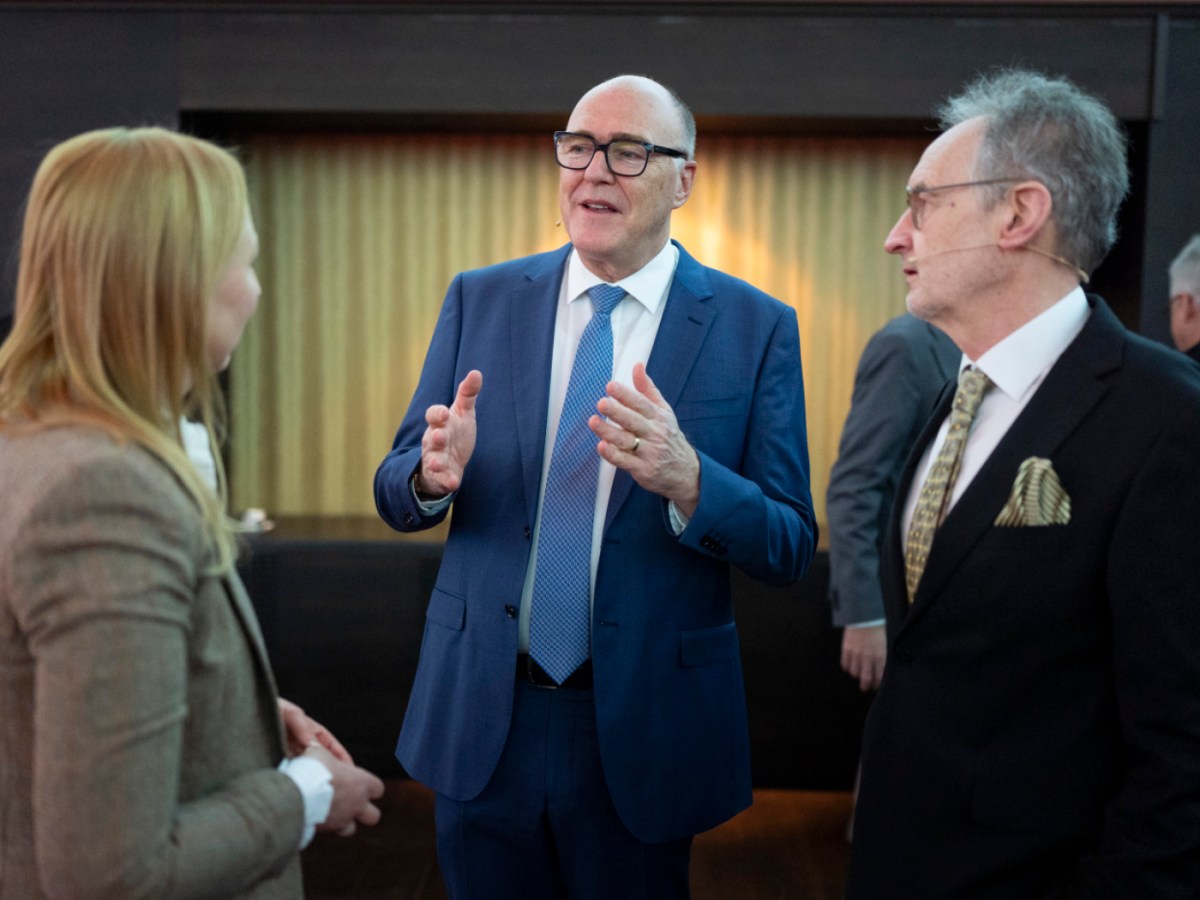
During a speech at a Swiss media industry event, Pfister condemned what he termed Russian “conspiracy narratives” that have increasingly targeted Switzerland since 2022. His comments represent one of the most direct accusations against Russian influence operations from a Swiss government minister in recent memory.
“Russia in particular has been increasingly attacking Switzerland with influence operations since 2022,” Pfister told media industry representatives. He explained that Russian disinformation campaigns specifically attempt to portray Switzerland as having abandoned its neutrality, compromised its democratic principles, and become unsafe.
Pfister highlighted a specific incident from May when pro-Russian accounts orchestrated a coordinated disinformation operation across seven social media platforms in all of Switzerland’s official languages. The campaign featured a video from Geneva that was deliberately taken out of context to create the false impression that “Switzerland was sinking into chaos.” These posts garnered more than two million views in a short timeframe.
The scale of Russia’s information warfare efforts is substantial, according to Pfister. He noted that two prominent Russian disinformation platforms—Russia Today and Pravda—alone publish between 800-900 articles monthly targeting Swiss audiences. Pfister warned that allowing such narratives to spread unchecked makes society increasingly vulnerable.
The defence minister emphasized the critical role Swiss media publishers play in countering these threats. “A healthy media system is also part of the Swiss security architecture,” he stated, adding that media organizations bear heightened responsibility during periods of technological change and geopolitical uncertainty.
Russia’s disinformation campaigns represent one element of what security experts describe as “hybrid conflict management”—a strategy blending conventional and unconventional tactics to achieve geopolitical objectives. While Russian influence operations targeting Western democracies are not new, Switzerland has increasingly found itself in Moscow’s crosshairs.
Swiss intelligence agencies have previously identified Russia as the most significant espionage threat facing the country. Beyond cyber operations, a substantial portion of Russian intelligence gathering in Switzerland relies on human sources, according to Swiss security assessments.
The minister’s comments come amid broader tensions between Switzerland and Russia. Despite Switzerland’s traditional neutrality, relations have cooled following Switzerland’s decision to align with European Union sanctions against Russia following the 2022 invasion of Ukraine—a stance Moscow has repeatedly criticized.
Swiss officials have grown increasingly concerned about the potential impact of foreign disinformation campaigns on the country’s political processes and social cohesion, particularly as Switzerland navigates complex diplomatic challenges in an increasingly polarized international environment.
Fact Checker
Verify the accuracy of this article using The Disinformation Commission analysis and real-time sources.

10 Comments
This is a timely warning from the Swiss defense minister. Disinformation is a serious threat to democracies around the world. I hope the Swiss can effectively counter these Russian influence operations and protect the integrity of their political system.
Interesting to see the Swiss defense minister calling out Russian disinformation efforts. Maintaining neutrality and democratic principles is crucial, especially in the face of adversaries trying to sow discord. I’m curious to learn more about the specific tactics used in these campaigns.
The Swiss defense minister’s comments highlight the importance of vigilance against foreign influence operations. Maintaining a strong, independent, and trusted media ecosystem is crucial to combating disinformation. I’m curious to learn more about the specific tactics used by Russia in this case.
Agreed. Transparency and fact-based reporting will be key to exposing and disrupting these influence campaigns. The Swiss government should work closely with media outlets and international partners to counter Russian disinformation efforts.
Russia’s disinformation tactics are becoming increasingly sophisticated and coordinated. Targeting multiple languages and platforms simultaneously is a concerning development. The Swiss government is right to call this out and take a firm stance against these influence campaigns.
I’m glad to see the Swiss defense minister taking this issue seriously. Maintaining public trust and confidence in democratic institutions is crucial, especially during times of geopolitical tensions.
It’s concerning to hear that Russia is actively targeting Switzerland with disinformation. Undermining the country’s neutrality and democratic values is a serious threat. I hope the Swiss government can effectively counter these influence operations and protect its citizens.
Agreed. Transparency and fact-based reporting will be key to combating these tactics. The Swiss should stay vigilant and work with international partners to expose and disrupt Russian disinformation networks.
It’s troubling to hear that Russia is targeting Switzerland with coordinated disinformation campaigns. Undermining the country’s neutrality and democratic values is a concerning development. I hope the Swiss government can develop robust strategies to identify and debunk these false narratives.
Kudos to the Swiss defense minister for calling out Russia’s disinformation tactics. Protecting democratic institutions and public trust is essential, especially in the face of coordinated influence operations. I hope the Swiss can effectively counter these threats and preserve their country’s neutrality and principles.