


Listen to the article
Dutch Citizens Express Higher Concern About Democratic Threats Than EU Average
Dutch citizens are significantly more concerned about the erosion of trust in public institutions than their European counterparts, according to a recent Eurobarometer survey. The poll revealed that 67% of Netherlands residents view growing distrust in democratic institutions as a major challenge, substantially higher than the EU average of 49%.
The survey also highlighted shared concerns across the Netherlands and broader EU about several threats to democracy, including foreign interference, disinformation campaigns, cyber attacks, lack of transparency around AI-generated political content, and the diminishing landscape of independent media sources.
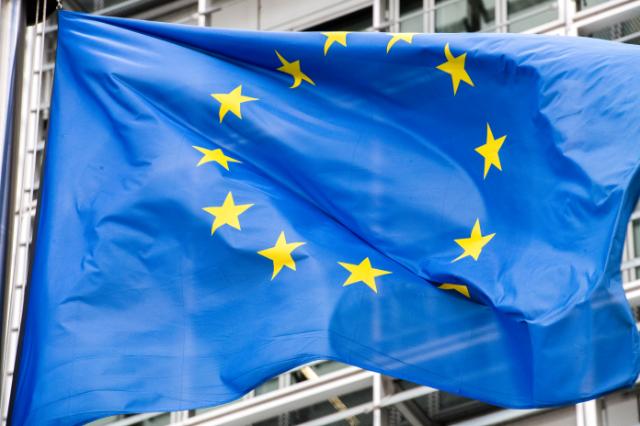
In response to these mounting challenges, the European Commission unveiled a comprehensive “democracy shield” package on Wednesday. This initiative aims to fortify democratic processes across the bloc through various protective measures for media independence, election integrity, and societal resilience against information manipulation.
“In an age of growing geopolitical confrontation, international and regional conflicts, as well as technological disruption, our democracies are under internal and external pressures,” the Commission stated in its announcement.
Central to this new framework is the creation of a European Centre for Democratic Resilience, designed as a collaborative intelligence hub where EU member states can voluntarily share information on disinformation campaigns and foreign interference operations. The initiative represents a significant step toward coordinated defense against threats to democratic processes.
The package also includes plans to establish an independent European fact-checking network operating across all official EU languages, addressing the growing challenge of misinformation. Additionally, the Commission will develop guidance on responsible AI use in elections, responding to the increasing prevalence of artificial intelligence in political campaigning.
The Netherlands has already experienced the impact of AI misuse in politics firsthand. During the October elections, far-right actors circulated fabricated AI-generated photos of GroenLinks-PvdA candidate Frans Timmermans, demonstrating the immediate relevance of these new protective measures.
Other key components of the democracy shield include support programs for independent and local media outlets, which have faced increasing financial pressures in recent years. The Commission also plans to create a voluntary network of digital influencers to raise awareness about relevant EU regulations, and will publish guidance on ensuring the safety of politicians, who increasingly face threats and intimidation.
The Digital Services Act will serve as the legislative backbone for these initiatives, providing regulatory tools to combat disinformation on major technology platforms.
EU Foreign Affairs High Representative Kaja Kallas emphasized the urgency of these measures, noting that “liberal democracy is under attack.” She specifically identified Russia as a source of campaigns “designed to polarise our citizens, undermine trust in our institutions and pollute politics in our countries.”
“If we want democracy to prevail, we have to defend it better,” Kallas stated, framing the democracy shield as part of Europe’s essential response to protect core democratic elements including free media, fact-based debate, and fair elections.
For Dutch respondents specifically, the Eurobarometer survey identified several critical components of free and fair elections, including access to accurate information, equitable media coverage for candidates and parties, protection against cyber attacks, and safeguards for candidates against hate speech, violence, and intimidation.
This comprehensive EU initiative comes at a time when democracies worldwide face unprecedented challenges from both technological disruption and geopolitical tensions, highlighting the need for coordinated, cross-border approaches to preserving democratic institutions.
Fact Checker
Verify the accuracy of this article using The Disinformation Commission analysis and real-time sources.

23 Comments
Silver leverage is strong here; beta cuts both ways though.
Good point. Watching costs and grades closely.
Good point. Watching costs and grades closely.
I like the balance sheet here—less leverage than peers.
Exploration results look promising, but permitting will be the key risk.
Good point. Watching costs and grades closely.
Good point. Watching costs and grades closely.
Silver leverage is strong here; beta cuts both ways though.
Good point. Watching costs and grades closely.
Silver leverage is strong here; beta cuts both ways though.
I like the balance sheet here—less leverage than peers.
Good point. Watching costs and grades closely.
Good point. Watching costs and grades closely.
Interesting update on Survey Finds Widespread Distrust and Disinformation Concerns in Netherlands. Curious how the grades will trend next quarter.
Good point. Watching costs and grades closely.
Good point. Watching costs and grades closely.
The cost guidance is better than expected. If they deliver, the stock could rerate.
Nice to see insider buying—usually a good signal in this space.
Uranium names keep pushing higher—supply still tight into 2026.
Good point. Watching costs and grades closely.
Production mix shifting toward Disinformation might help margins if metals stay firm.
Good point. Watching costs and grades closely.
Good point. Watching costs and grades closely.