


Listen to the article
Ukraine Debunks Misinformation About Electricity Exports Amid Power Crisis
Misleading information claiming Ukraine is exporting electricity while its citizens suffer from power outages is circulating widely online, according to a report released by the Center for Countering Disinformation (CCD) on December 15.
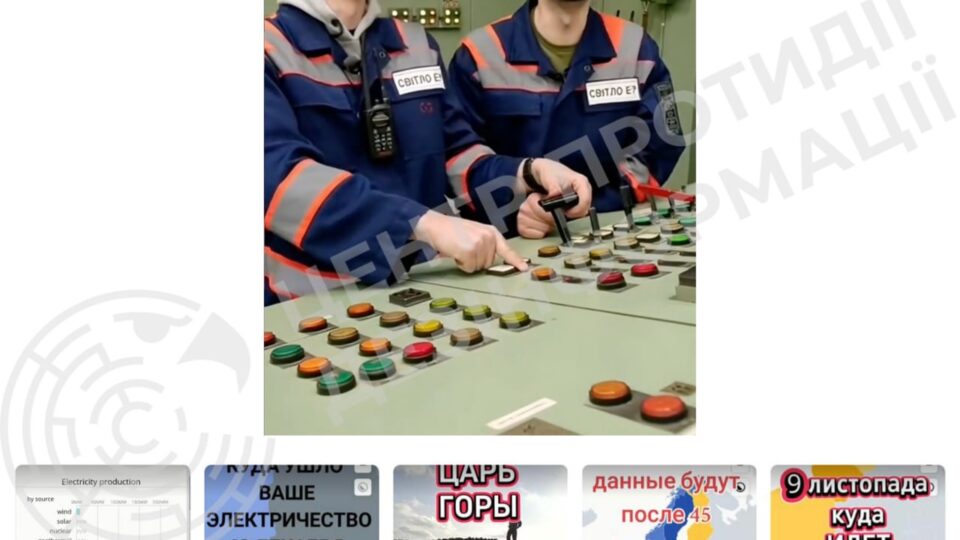
The false narratives, which have gained significant traction particularly on TikTok, feature manipulative “infographics” suggesting Ukrainian authorities are selling power abroad while neglecting domestic needs. The CCD identified this as a deliberate disinformation campaign designed to provoke public outrage.
“These posts deliberately omit the actual causes of the power outages, which is a classic manipulation technique,” the CCD stated in its report. The center emphasized that such content represents “a typical example of an enemy information operation” aimed at undermining social cohesion and destabilizing the country from within.
Ukraine’s Ministry of Energy has repeatedly clarified that the country is not currently exporting any electricity. Officials stress that all available power generation capacity is being directed exclusively toward meeting domestic needs during this critical period.
Energy experts point out that the genuine cause of Ukraine’s ongoing power crisis is Russia’s systematic attacks on critical energy infrastructure. Since the beginning of the full-scale invasion, Russian forces have targeted power plants, substations, and transmission lines across Ukraine, severely damaging the country’s ability to generate and distribute electricity.
The regional disparities in outage duration and frequency that some citizens have observed are not evidence of preferential treatment or mismanagement, as the disinformation suggests. Rather, these variations stem from tactical decisions by Russian forces to target not only generation facilities but also the power transmission infrastructure that connects different regions of the country.
“When transmission lines are damaged, it creates isolated pockets in the grid that can’t receive power even when it’s available elsewhere,” explained a Ukrainian energy system engineer who requested anonymity for security reasons. “This technical reality is being exploited by those spreading these false narratives.”
The timing of this disinformation campaign coincides with the winter months when electricity demand peaks and outages have more severe consequences for civilians. Energy consumption typically increases by 20-30% during cold weather as heating systems require more power, placing additional strain on Ukraine’s already compromised energy grid.
Before the war, Ukraine was actually an electricity exporter to neighboring European countries. The country had joined the European energy system ENTSO-E just before the Russian invasion, allowing for greater integration with European markets. However, since the massive attacks on its energy infrastructure began, Ukraine has been forced to halt exports and occasionally import electricity to address critical shortages.
Ukrainian officials have urged citizens to verify information through official channels and remain vigilant against divisive content that seeks to exploit legitimate hardships. The government has also implemented scheduled rolling blackouts in many regions as part of a strategy to manage the limited supply and prevent catastrophic grid failures.
International energy organizations continue to provide technical assistance to Ukraine as it works to repair damaged infrastructure and stabilize its power system ahead of the coldest winter months, when reliable electricity becomes a literal matter of survival for many Ukrainians.
Fact Checker
Verify the accuracy of this article using The Disinformation Commission analysis and real-time sources.

17 Comments
This is a classic example of Russian disinformation aimed at sowing discord and undermining Ukraine. It’s important to rely on authoritative sources and fact-check claims, rather than spreading misleading narratives online.
Absolutely. Ukraine has made it clear they are directing all available power generation to domestic needs, not exporting. This is likely a coordinated effort to discredit the Ukrainian government.
The report highlights how Russia is actively trying to undermine Ukraine by spreading false narratives. This is a timely reminder of the importance of media literacy and fact-checking in the digital age.
It’s disheartening to see how quickly false narratives can gain traction online. However, I’m encouraged by Ukraine’s efforts to swiftly debunk these claims and provide factual information to the public.
Yes, the Ukrainian government’s transparency and proactive communication are crucial in countering Russian propaganda. We should all strive to be responsible information consumers.
This report highlights the ongoing challenges of combating disinformation, especially in the context of a geopolitical conflict. It’s a stark reminder of the importance of media literacy and fact-checking.
While the power outages in Ukraine are undoubtedly a serious issue, it’s concerning to see how these false narratives are being used to undermine the government’s efforts. Maintaining a critical eye and seeking out reliable sources is key.
Absolutely. The Ukrainian authorities have been clear that they are directing all available power generation to domestic needs. Spreading misinformation, even unintentionally, can play into Russia’s hands.
It’s concerning to see how quickly these types of manipulative ‘infographics’ can spread on social media. We should be vigilant about fact-checking information, especially around sensitive geopolitical issues like this.
Agreed. Disinformation campaigns often leverage emotional appeals and misleading visuals to sway public opinion. Maintaining a critical eye and seeking out reliable sources is key.
I’m glad the Ukrainian government is quickly debunking these false claims about electricity exports. It’s crucial they continue to provide clear, transparent communication to counter Russian propaganda.
Absolutely. Fact-based, official statements from the Ukrainian authorities are essential to dispel misinformation and maintain public trust during this difficult time.
This situation illustrates the ongoing battle against disinformation, which can have real-world consequences. Staying informed from credible sources is key to navigating these complex geopolitical issues.
The report highlights the sophistication of Russia’s disinformation tactics, which leverage social media and emotional appeals to sow division. This is a timely reminder of the need for vigilance and critical thinking.
The report’s findings are a sobering reminder of the persistent threat of Russian disinformation. It’s crucial that we all remain vigilant and rely on authoritative sources to stay informed on these complex geopolitical issues.
While power outages are undoubtedly a serious challenge for Ukraine, it’s concerning to see these misleading narratives circulating online. Fact-checking and media literacy are crucial skills in the digital age.
Agreed. Spreading misinformation, even inadvertently, can undermine efforts to address the real issues. We all have a responsibility to be discerning consumers of information.