


Listen to the article
Russian disinformation efforts are adapting to current events and technological advancements, according to a new monitoring initiative tracking information manipulation across multiple countries and languages.
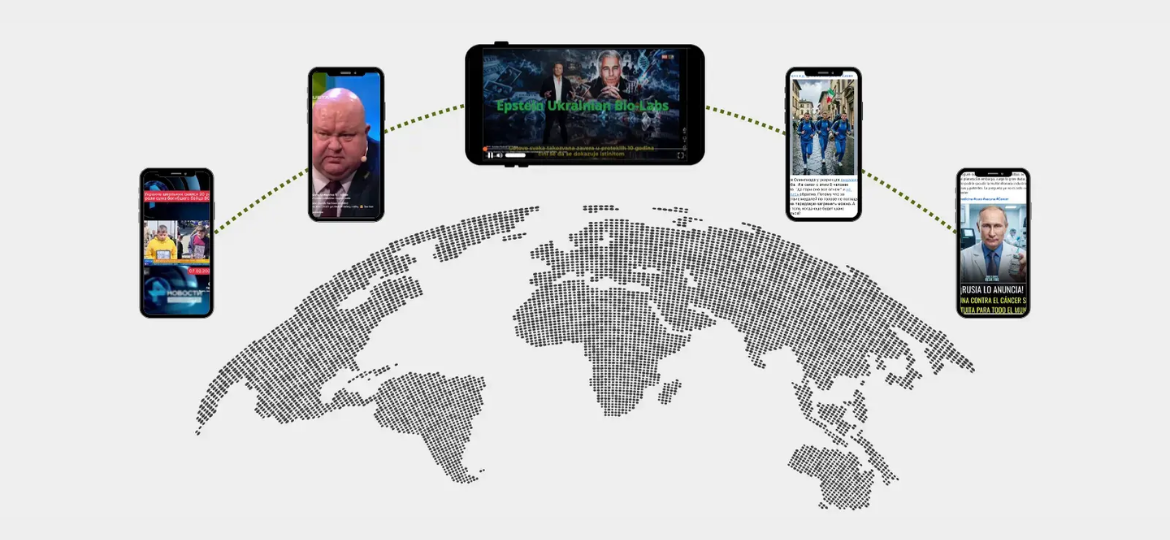
The initiative, which analyzes Russian-originated information manipulation and interference (FIMI), has identified sophisticated patterns of disinformation campaigns targeting ten nations across Europe and Latin America. The monitoring covers Spain, Ukraine, Lithuania, Georgia, Bosnia and Herzegovina, Serbia, Argentina, Colombia, Mexico, and Venezuela.
Researchers found that Russian disinformation operatives are adeptly weaving established narratives into breaking news stories and high-profile current events. Recent examples include content built around the Jeffrey Epstein files declassification, ongoing conflicts in the Middle East, the Winter Olympic Games, and political developments in Venezuela regarding Nicolás Maduro.
This tactical approach allows false or misleading information to gain credibility by attaching to legitimate news topics that already have public attention. By embedding disinformation within discussions of real events, these campaigns increase their potential reach and impact.
The analysis reveals a dual strategy in the messaging: content simultaneously attempts to damage Ukraine’s international reputation while promoting a positive image of Russia. This two-pronged approach aims to shift international perception and potentially influence policy decisions regarding the ongoing Russia-Ukraine conflict.
In a concerning development, the report highlights an increase in artificial intelligence-generated content specifically created to humiliate and mock Ukrainian public figures. These sophisticated AI-generated parodies represent an evolution in disinformation tactics, allowing for the rapid creation of convincing but entirely fabricated content that can be difficult to identify and counter.
The monitoring initiative also identified audience segmentation as a key tactic in Russian disinformation efforts. This approach involves tailoring specific narratives to different demographic groups based on their preexisting beliefs, concerns, and cultural contexts. Such targeting increases the effectiveness of disinformation by making it more relatable and believable to specific populations.
Experts note that this segmentation strategy demonstrates a sophisticated understanding of different national and cultural landscapes across the targeted countries. By customizing disinformation to resonate with local concerns in places as diverse as Lithuania and Venezuela, Russian operations maximize their potential influence.
The comprehensive geographic scope of the monitoring initiative provides unique insights into how Russian disinformation adapts to different regional contexts. The inclusion of both European nations directly neighboring Russia and Latin American countries thousands of miles away suggests the global ambition of these influence operations.
This latest report builds on previous findings while highlighting new tactical developments. The persistence of certain narratives alongside the evolution of delivery methods indicates a systematic and adaptive approach to information warfare.
Security analysts suggest that the growing sophistication of these operations presents significant challenges for governments, media organizations, and tech platforms attempting to combat disinformation. The combination of AI-generated content, audience segmentation, and rapid response to global events creates a particularly resilient form of information manipulation.
The findings come amid increased international attention on the role of disinformation in democratic processes, with several of the monitored countries facing elections in the coming year. This timing raises additional concerns about potential interference in electoral systems through targeted information campaigns.
The full report, which contains detailed analysis of specific campaigns and recommendations for countering such information manipulation, has been made available to relevant stakeholders and the public.
Fact Checker
Verify the accuracy of this article using The Disinformation Commission analysis and real-time sources.

9 Comments
The mention of the Epstein files and ongoing conflicts in the Middle East as examples of how these campaigns operate is telling. Disinformation actors are clearly seeking to exploit high-profile events and controversies to further their agenda. We must remain vigilant and critical consumers of information.
Embedding disinformation within real news stories is a concerning tactic. It allows false narratives to piggyback on the credibility of legitimate reporting. This makes it even more important for us to verify information sources and fact-check claims before sharing or believing them.
The varied targets of these campaigns, spanning Europe and Latin America, demonstrate the global reach and ambition of Russian disinformation efforts. Addressing this challenge will require collaboration among nations, media outlets, and citizens alike.
This is a concerning trend. Weaving disinformation into real events is a sophisticated tactic to boost the credibility of false narratives. We need to be vigilant in scrutinizing information sources and critically evaluating the claims being made, especially around high-profile topics.
This is a complex issue, and the monitoring initiative’s findings highlight the need for a multifaceted approach to combating disinformation. Educating the public, strengthening media literacy, and coordinating international efforts will all be crucial in this battle.
Adapting to current events and technological advancements is worrying. Russian disinformation campaigns are clearly becoming more cunning in their approach. We must stay informed and call out these manipulative tactics whenever we see them.
Agreed. It’s crucial that we maintain a critical eye and don’t let ourselves be swayed by content that appears to be legitimate but is actually disinformation in disguise.
The monitoring of these campaigns across multiple countries is an important step. Understanding the scale and coordination of Russian disinformation efforts will help us develop more effective countermeasures. We need a concerted global response to combat this threat.
The tactical approach of attaching disinformation to legitimate news stories is particularly concerning. It underscores the importance of verifying information and fact-checking claims, even when they appear to be tied to real events. We must be vigilant in our media consumption.