


Listen to the article
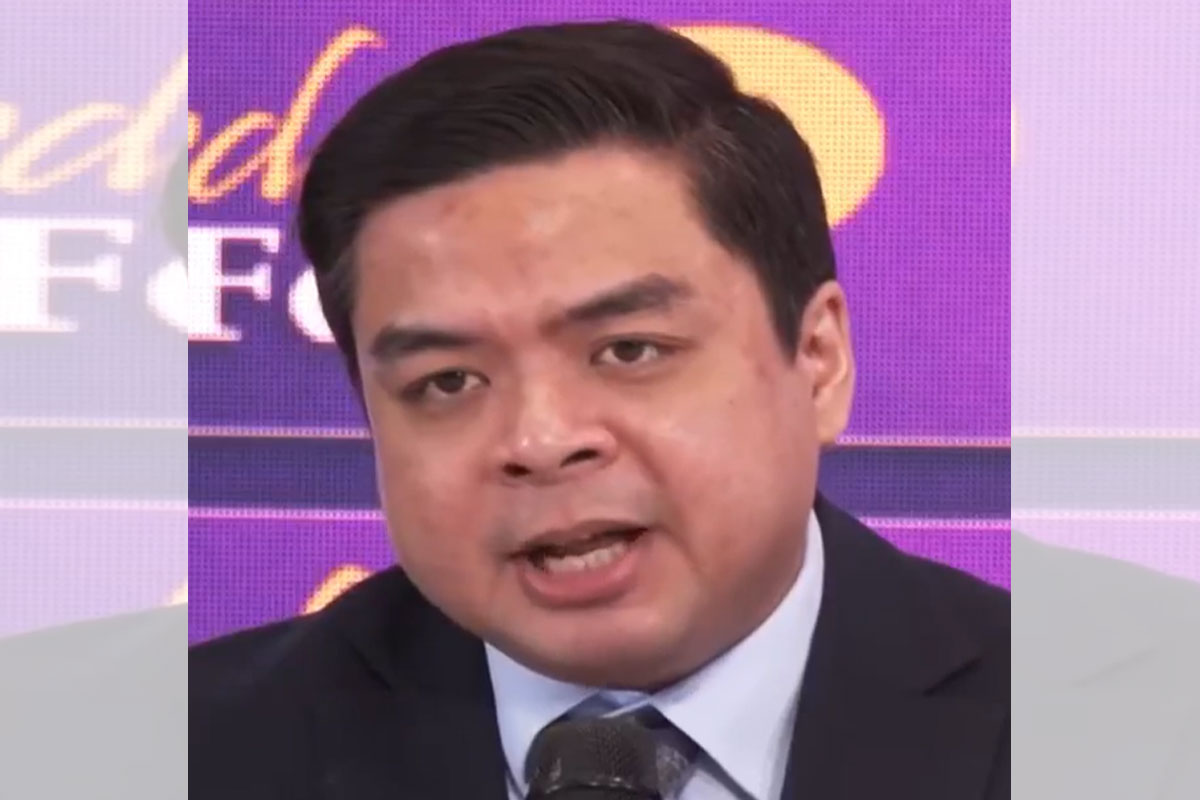
Representative Terry L. Ridon has filed a resolution in the House calling for an investigation into alleged disinformation operations by Peanut Gallery Media Network (PGMN), emphasizing both content scrutiny and financial accountability of entities involved in spreading fake news.
House Resolution 980, introduced yesterday, aligns with Speaker Faustino Dy III’s campaign against misinformation while extending scrutiny to the operational structure, funding mechanisms, and tax compliance of organizations engaged in disinformation activities.
“This is in full support of the Speaker’s fight against fake news—but we must go beyond content and examine the operations behind it, including how these are funded and whether they are compliant with tax laws,” Ridon stated.
The resolution specifically targets PGMN following viral content attributed to the network that allegedly misrepresented electricity bill increases. The material in question featured different Customer Account Numbers (CANs), raising concerns about deliberate manipulation of information on a sensitive economic issue affecting Filipino households.
“For ordinary Filipino households already burdened by high electricity costs, this is not just irresponsible—it is deceptive,” Ridon explained. “Real issues should not be exploited through fabricated or misleading content.”
The investigation would examine not only the content distributed by PGMN but also its business model, revenue streams, and tax compliance history. Ridon has raised concerns that monetized disinformation operations may be evading proper taxation and regulation.
“If these disinformation operations are monetized—and there are strong indications that they are—then the question is simple: are they properly declared, taxed, and regulated?” the lawmaker questioned. “Otherwise, this raises serious concerns of tax evasion.”
The timing of this resolution comes amid growing national concern about the proliferation of fake news and its impact on public discourse and democratic processes in the Philippines. In recent years, social media platforms have become battlegrounds for information and misinformation, with various entities employing sophisticated tactics to shape public opinion on critical issues.
Energy costs remain a particularly sensitive topic in the Philippines, where electricity rates are among the highest in Southeast Asia. Misinformation on such issues can create unwarranted public panic or misdirect attention from genuine policy concerns, according to media analysts.
The proposed inquiry will involve coordination with multiple government agencies, including the National Bureau of Investigation (NBI) and the Bureau of Internal Revenue (BIR). This multi-agency approach signals the comprehensive nature of the investigation, examining potential violations ranging from disinformation practices to tax evasion.
“We will not allow legitimate public concerns to be weaponized by disinformation networks,” Ridon emphasized. “This is about protecting the public—not only from fake news, but from coordinated operations that exploit real issues for influence, profit, or manipulation.”
Media watchdog groups have welcomed the focus on financial accountability, noting that following money trails often reveals the true scale and intent of disinformation operations. The Philippines has witnessed an explosion of online news sources in recent years, with varying degrees of credibility and transparency in ownership and funding.
The resolution is expected to be referred to the House Committee on Public Information, which will determine the scope and timeline for the investigation. If approved, hearings would likely include testimonies from PGMN representatives, media experts, and government regulators.
This initiative represents a significant escalation in the government’s approach to tackling fake news, moving beyond content regulation to examine the business structures that may incentivize and sustain systematic disinformation campaigns.
Fact Checker
Verify the accuracy of this article using The Disinformation Commission analysis and real-time sources.

10 Comments
Disinformation is a complex challenge that requires a multifaceted approach. I’m interested to see how this investigation explores both the content itself and the operational aspects behind it.
This news highlights the need for robust fact-checking and media literacy efforts to help the public navigate the information landscape. I hope the findings from this investigation can inform such initiatives.
Absolutely. Empowering citizens to critically assess information sources and claims is crucial in the fight against disinformation.
Disinformation can have far-reaching consequences, so I’m glad to see the authorities taking a comprehensive approach to this probe. I hope the findings lead to effective measures to counter these kinds of malicious activities.
Disinformation is a serious issue that can have real impacts on people. I appreciate efforts to scrutinize potential bad actors and hold them accountable, both for the content they spread and the systems that enable it.
Agreed. Transparency around funding sources and tax compliance is crucial to understanding the full scope of these operations.
While the details are still emerging, this investigation seems to be an important step in addressing the serious issue of coordinated disinformation campaigns. I’ll be following the developments with keen interest.
Electricity bills are a sensitive topic, so it’s concerning to see allegations of manipulated information on this issue. I hope the investigation can shed light on the motivations and methods behind this suspected disinformation campaign.
Yes, the potential to mislead the public on such an important economic matter is quite troubling. I’m glad to see the authorities taking this seriously.
This investigation seems warranted given the concerning reports of potential disinformation activities. I’m curious to learn more about the specific allegations and how the probe will examine the operational and financial aspects of the suspected network.