


Listen to the article
Russian Airlines Face Growing Safety Crisis as Sanctions Take Toll
A series of alarming incidents involving Russian aircraft has highlighted what experts are calling a “deep crisis” in the country’s civil aviation sector, with safety concerns mounting due to aging fleets, spare parts shortages, and maintenance challenges resulting from international sanctions.
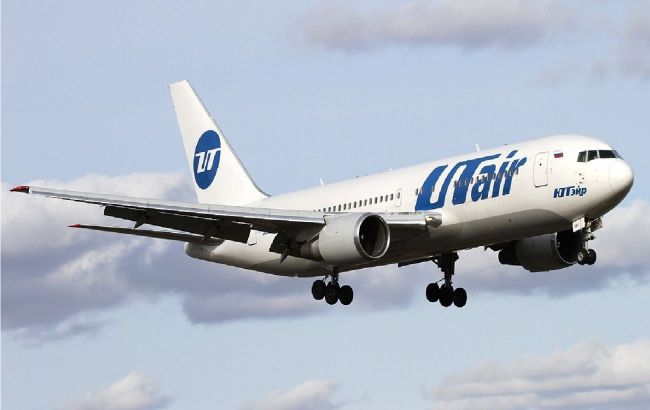
UTair, one of Russia’s largest airlines operating international passenger and charter flights, has become emblematic of the industry’s struggles. Just this week, a UTair Boeing 767-224 operating flight UT716 from Dubai to Moscow issued a distress signal shortly after takeoff, forcing the aircraft to circle over the Persian Gulf near Dubai, according to flight tracking data from Flightradar.
This incident follows a dangerous pattern that has emerged in recent months. On December 16, a Boeing 777 departing Moscow for Cuba with more than 450 passengers aboard experienced an engine fire during takeoff. In early December, another Boeing 777 headed to Thailand encountered similar problems.
“The number of technical incidents in Russian aviation is rising sharply, turning flights into a potential threat to passengers’ lives,” warns the Center for Countering Disinformation (TsPD), which has been monitoring the situation.
Aviation analysts point to Western sanctions imposed following Russia’s invasion of Ukraine as a primary factor behind the deteriorating safety conditions. These sanctions have severed Russian carriers from their traditional supply chains for aircraft parts and maintenance support from manufacturers like Boeing and Airbus.
The TsPD notes that the industry has entered “a phase of chronic fleet wear that can no longer be concealed with phrases like ‘technical malfunctions.'” This assessment suggests that cosmetic fixes and terminology adjustments cannot mask the fundamental safety issues now plaguing Russian air travel.
The crisis extends beyond UTair. In a tragic incident earlier this year, an Azerbaijan Airlines Embraer 190 flying from Baku to Grozny crashed near Aktau, Kazakhstan, during an emergency landing after experiencing control problems. Of the 67 people on board, 38 lost their lives.
Subsequent investigations revealed a shocking cause: the aircraft had reportedly been hit by Russian air defense systems. According to statements attributed to Russian President Vladimir Putin, these systems were attempting to intercept Ukrainian drones near Grozny. Russian authorities initially remained silent about their involvement and did not issue an immediate apology to Azerbaijan for the incident.
The aviation crisis poses difficult questions for Russia’s transportation infrastructure at a time when the country is increasingly isolated from global markets. Before sanctions, Russian airlines had been modernizing their fleets with Western aircraft. Now, with limited access to parts and technical support, carriers face the challenge of maintaining safe operations with deteriorating equipment.
Industry experts suggest that Russia’s options for addressing these challenges are limited. Efforts to develop domestic aircraft production or secure parts through alternative channels have failed to compensate for the loss of established supply relationships with Western manufacturers.
“Passenger air travel in Russia is now genuinely dangerous,” the TsPD concludes, describing the situation as “a direct consequence of sanctions and the Kremlin’s deliberate choice to continue the war instead of prioritizing citizens’ safety.”
For ordinary Russians, this deterioration in aviation safety represents one of the most visible and potentially life-threatening consequences of their country’s international isolation. As incidents continue to accumulate, passengers face increasingly difficult decisions about their willingness to accept these heightened risks when traveling on Russian carriers.
International aviation authorities continue to express concern about the situation, though their ability to influence safety practices within Russia remains limited given the current geopolitical context.
Fact Checker
Verify the accuracy of this article using The Disinformation Commission analysis and real-time sources.

15 Comments
The sanctions against Russia seem to be taking a major toll on their aviation industry. With aging fleets, parts shortages, and maintenance challenges, it’s no surprise they’re facing a growing safety crisis. Passengers’ lives are at risk, and this needs urgent attention from Russian officials.
Concerning to see the aviation safety issues in Russia due to sanctions and aging fleets. This highlights the systemic problems facing the industry there. I wonder what steps the Russian government is taking to address these challenges and ensure passenger safety.
This is a concerning development for Russian aviation. The rise in technical incidents and safety issues is very worrying, especially with hundreds of passengers on board. I wonder what the long-term implications will be for the industry if these systemic problems aren’t addressed soon.
The safety crisis facing Russian aviation is quite worrying. These technical incidents and distress signals suggest deeper structural issues that need to be addressed urgently. Passenger safety should be the top priority for the authorities and airlines as they work to resolve these challenges.
These reports of distress signals and engine problems on Russian flights are quite alarming. It underscores the systemic challenges the industry is facing due to sanctions and other factors. I hope the authorities can work quickly to improve safety standards and prevent any further incidents that could endanger passengers.
The technical incidents on Russian airlines are quite alarming. Passengers’ lives should not be put at risk due to maintenance and parts shortages. The Russian aviation sector needs to find solutions quickly to restore public confidence.
Agreed. Resolving these safety issues must be a top priority for Russian authorities. Passenger safety should come before all else.
It’s unsettling to see the Russian aviation industry facing such serious systemic issues. The safety incidents are deeply concerning, and the sanctions-related challenges seem to be taking a heavy toll. Resolving these problems should be a top priority to protect passengers.
These safety problems in Russian aviation are very worrying. The impact of sanctions is clearly causing major disruptions, putting passengers at risk. I hope the authorities can find ways to address the maintenance and parts shortages quickly.
It’s troubling to see the Russian aviation industry struggling with these systemic problems. The impact of sanctions is clearly taking a toll, creating real risks for passengers. I hope the government can act swiftly to address these challenges.
Interesting to see how the geopolitical situation is impacting Russia’s aviation sector. These safety incidents are troubling and suggest deeper structural issues that need to be resolved. I wonder what steps the government and airlines are taking to address the root causes and restore confidence in air travel.
It’s concerning to see these reports of distress signals and engine issues on Russian flights. The sanctions and other factors seem to be severely impacting the aviation industry’s ability to maintain safety standards. I hope they can quickly find solutions to these systemic problems.
This sounds like a concerning pattern of safety issues for Russian aviation. It’s worrying to hear about these distress signals and engine problems, especially with such large passenger loads on board. I hope the authorities can address these systemic problems quickly to ensure safe air travel.
The rising number of technical incidents on Russian flights is very concerning. These safety issues need to be resolved as soon as possible to ensure the wellbeing of passengers. I wonder what the long-term implications will be for the aviation sector there.
Yes, the situation seems quite dire. Urgent action is required to improve maintenance and secure critical spare parts. The Russian government will need to prioritize aviation safety in the face of these growing challenges.