


Listen to the article
Russia’s latest propaganda campaign accuses Ukrainian forces of civilian killings in Kursk without evidence, analysts say
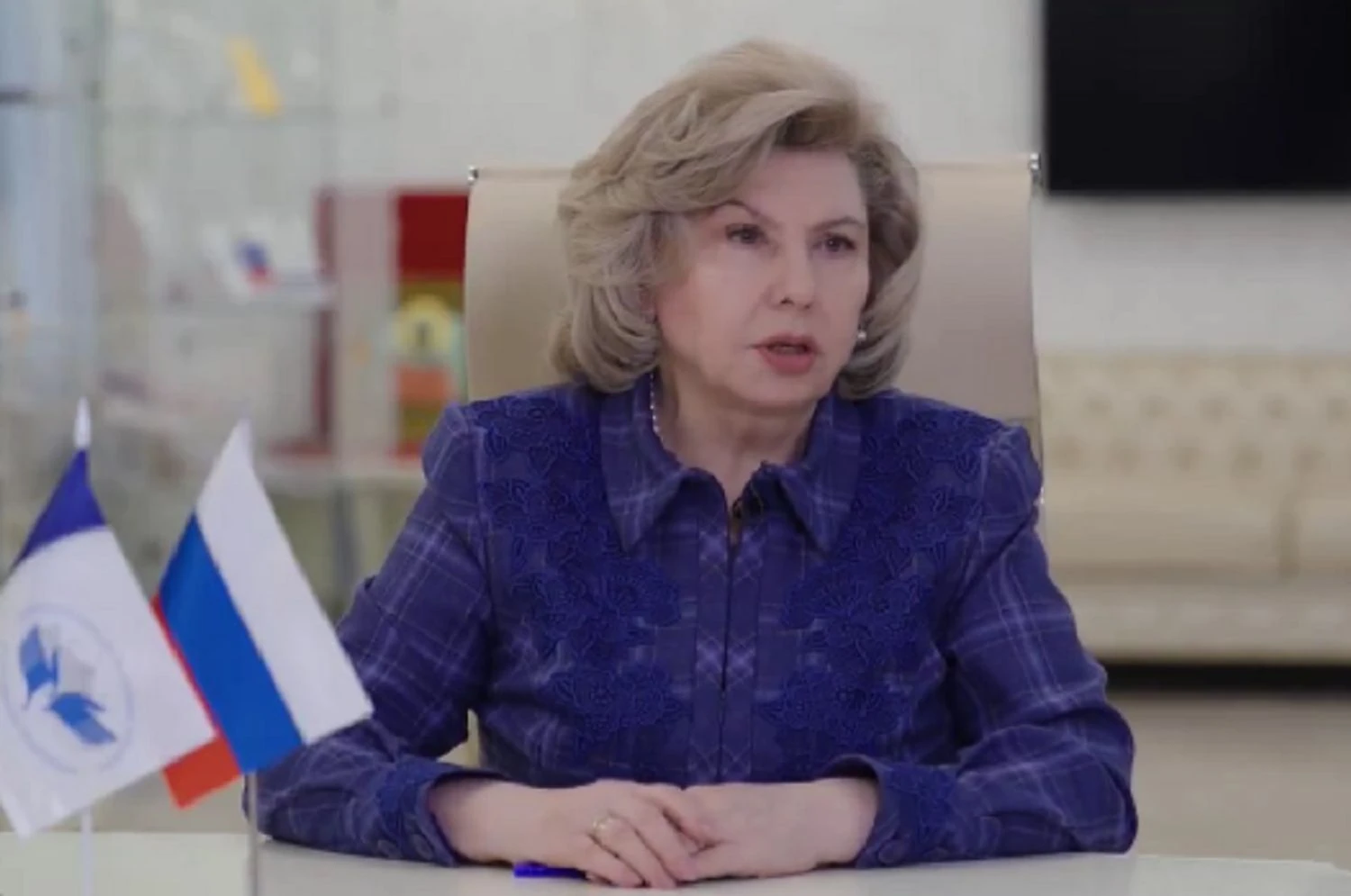
Russian ombudswoman Tatyana Moskalkova has issued unsubstantiated claims that Ukrainian Armed Forces are shooting civilians in the Kursk region, according to Ukraine’s Center for Countering Disinformation (CPD), which operates under the National Security and Defense Council.
The CPD reports that Moskalkova’s allegations rely solely on what she describes as “eyewitness accounts” without providing any corroborating evidence from independent investigations or even from Russia’s own Kremlin-controlled investigators.
“This is another propaganda statement without any evidence,” the CPD stated in its assessment of the claims. The center characterizes these accusations as part of a calculated disinformation strategy that Russia has employed throughout the conflict.
Experts note that this follows a familiar pattern in Russia’s information warfare playbook. By making emotional, unverified accusations about Ukrainian forces, Russian officials attempt to shape negative perceptions of Ukraine both domestically and internationally.
The CPD explained that such allegations serve multiple strategic purposes: “The purpose of such statements is to discredit the Defense Forces of Ukraine, create an informational justification for their own actions, and shift the focus of attention from the war crimes that Russian troops systematically commit in the occupied territories.”
This latest disinformation effort comes at a time when international scrutiny of Russia’s actions in Ukraine continues to intensify. Human rights organizations have documented extensive evidence of Russian forces committing war crimes in occupied Ukrainian territories since the full-scale invasion began in February 2022, as well as since the initial occupation of Crimea and parts of eastern Ukraine in 2014.
The timing of Moskalkova’s claims is particularly notable as it follows a meeting between Kyrylo Budanov, head of Ukraine’s Presidential Office, and Mattias Guyomar, President of the European Court of Human Rights (ECHR). During their meeting, Budanov highlighted that the ECHR has already established Russia’s responsibility for systematic human rights violations in Ukraine dating back to 2014.
International legal momentum against Russia’s actions appears to be building. Poland and Iceland have recently expressed support for an agreement to establish a Special Tribunal on Russian aggression, which could be put to a vote as early as May, according to Ukraine’s Ministry of Foreign Affairs.
Military analysts suggest that Russia’s increased focus on creating narratives about Ukrainian forces committing atrocities may indicate concern about growing international legal pressure. By creating counter-narratives of Ukrainian wrongdoing, Russia attempts to muddy the waters of international opinion and create false equivalencies between documented Russian war crimes and unsubstantiated claims against Ukrainian forces.
The CPD’s work in identifying and countering such disinformation has become increasingly vital as the conflict continues. International fact-checking organizations have consistently found that Russian claims of Ukrainian atrocities lack credible evidence, while there is extensive documentation of Russian forces engaging in torture, extrajudicial killings, and attacks on civilian infrastructure.
Media literacy experts emphasize the importance of examining the source and evidence for such claims, particularly when they come from official Russian sources that have repeatedly been caught fabricating evidence or staging incidents for propaganda purposes throughout the war.
As the conflict approaches its third year, the information battlefield remains as contested as the physical one, with Russia investing significant resources in spreading disinformation designed to undermine international support for Ukraine and justify its own military actions to domestic audiences.
Fact Checker
Verify the accuracy of this article using The Disinformation Commission analysis and real-time sources.

7 Comments
Russia’s propaganda machine is working overtime to shape the narrative, but without credible evidence these allegations seem dubious at best.
Agreed, it’s important to scrutinize such claims carefully and not take them at face value given Russia’s track record on disinformation.
This appears to be another example of Russia’s information warfare tactics – making unverified claims to undermine Ukraine. Fact-checking is essential.
Absolutely, we should rely on authoritative and impartial sources when evaluating such serious allegations, not unsubstantiated claims from Russian officials.
Russia’s disinformation playbook is well-known, using emotive accusations to shape perceptions. Maintaining objectivity and scrutinizing the evidence is crucial.
It’s concerning to see this kind of emotionally-charged misinformation being pushed, likely in an effort to sway public opinion. Critical thinking is key.
Unsurprising to see Russia continue spreading unsubstantiated claims about Ukrainian forces. Their disinformation campaigns are well-documented.