


Listen to the article
Police across South Korea are launching an aggressive campaign to combat fake news and election fraud ahead of the upcoming 9th Nationwide Local Elections. In a decisive move, authorities have classified deepfake videos, emerging election crimes, and disinformation related to the Middle East conflict as “serious crimes” that will face zero-tolerance enforcement.
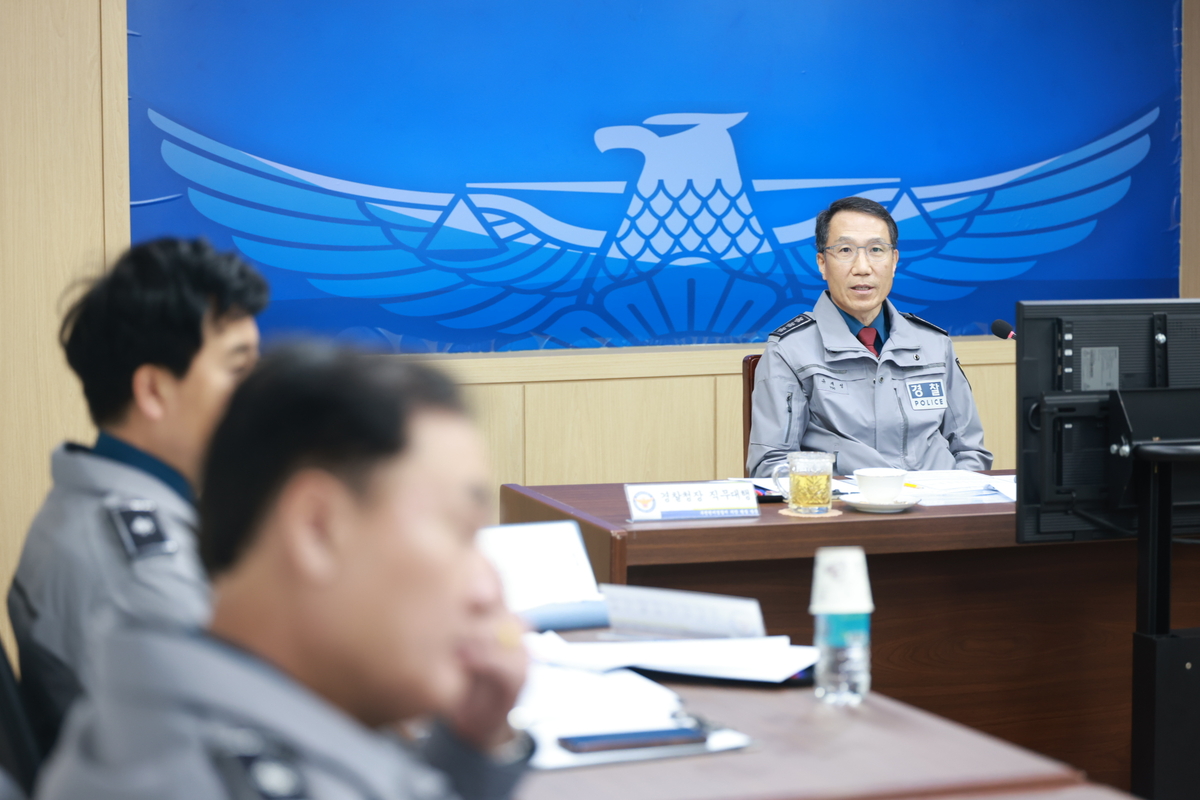
The Korean National Police Agency (KNPA) convened a nationwide video conference on Wednesday evening, bringing together provincial police chiefs and station commanders under the leadership of Acting Commissioner General Yoo Jae-sung. The high-level meeting, held at KNPA headquarters in Seoul’s Seodaemun district, focused on strengthening election security measures and countering the proliferation of false information.
Law enforcement officials have identified five primary election crimes they plan to target: smear campaigns that damage candidates’ reputations, bribery attempts to influence voters, illegal involvement of civil servants in electoral processes, unauthorized mobilization of groups, and election-related violence. These offenses are viewed as direct threats to electoral integrity and democratic principles.
To coordinate these efforts, police will establish an integrated election security command center on May 20. This facility will operate continuously throughout the election period, with heightened vigilance during critical phases including candidate registration on May 14 and the commencement of official campaigning on May 21.
Digital threats represent a particular concern in this election cycle. The rise of sophisticated deepfake technology—which can create convincing but fabricated videos of candidates—has prompted authorities to assign provincial cybercrime investigation units to directly handle such cases. Police emphasized that their investigations will not be limited to those who initially create or share manipulated content, but will extend to the organizers and financial backers of such operations.
“We must track down and punish the original distributors to the end so that disinformation cannot take root in our society,” Acting Commissioner General Yoo stated during the conference.
Misinformation related to the ongoing Middle East conflict has emerged as another significant threat to public discourse in South Korea. To counter this specific challenge, specialized cyber analysis teams will be established within four provincial police cybercrime units located in Seoul, Gyeonggi Nambu, Gwangju, and Gyeongnam. These teams will focus on early detection of false narratives, coordinate with platforms to remove harmful content, and initiate prompt investigations when criminal activity is identified.
The KNPA’s aggressive stance reflects growing concerns about the potential for digital misinformation to disrupt electoral processes globally. South Korea, with its high internet penetration rate and digitally engaged population, faces particular vulnerabilities to online manipulation campaigns.
Election security experts have noted that the spread of false information can have cascading effects beyond immediate electoral outcomes, potentially undermining public trust in democratic institutions. This broader context appears to be driving the strong police response.
“The malicious spread of disinformation is a serious crime that heightens public anxiety, causes social chaos, and threatens democracy,” Yoo emphasized, highlighting the stakes involved.
The police initiative comes amid broader changes to South Korea’s criminal justice system, which Commissioner Yoo referenced when urging officers to approach election-related investigations with heightened responsibility.
As South Korean voters prepare to select local officials across the country, the police campaign represents an acknowledgment that protecting electoral integrity now requires sophisticated approaches to combat both traditional forms of fraud and emerging digital threats. The success of these measures will likely be closely watched by election security officials worldwide facing similar challenges.
Fact Checker
Verify the accuracy of this article using The Disinformation Commission analysis and real-time sources.

7 Comments
Seems like a heavy-handed response to a complex issue. While combating deliberate disinformation is important, I worry this could inadvertently censor legitimate political discourse. Curious to hear more about the specific criteria and safeguards in place.
Protecting election integrity is crucial, but overly aggressive enforcement against ‘misinformation’ risks stifling free speech and open debate. Hope the police strike the right balance between addressing real threats and respecting democratic freedoms.
Appreciate the intention to protect electoral integrity, but concerned about the potential for overreach. Curious to learn more about the specific criteria and appeals process to ensure legitimate criticism isn’t stifled. Maintaining democratic freedoms is paramount.
Good to see efforts to crack down on election-related crimes like smear campaigns and voter intimidation. Maintaining faith in the democratic process is crucial. Hope the enforcement is fair and proportionate, without infringing on freedom of expression.
While I understand the desire to combat disinformation, this seems like a heavy-handed approach that could do more harm than good. Striking the right balance between security and civil liberties will be critical. Cautiously optimistic, but need more details.
Tackling fake news and election fraud is a noble goal, but the enforcement details will be key. Overzealous policing of ‘misinformation’ could backfire and erode public trust. Curious to see how this policy is implemented in a balanced way.
Interesting approach to tackle disinformation before local elections. Strict enforcement could help maintain trust in the electoral process, though the line between legitimate criticism and misinformation can be blurry. Curious to see how this policy is implemented in practice.