


Listen to the article
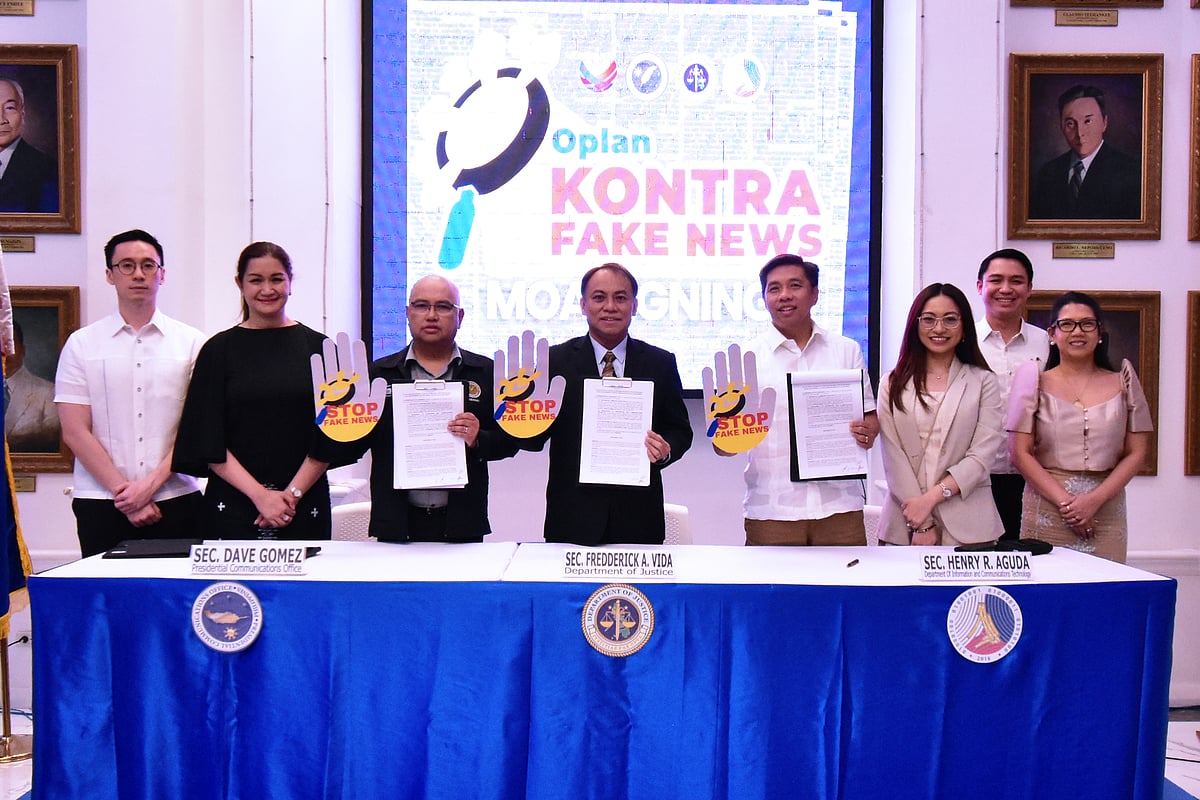
Philippine authorities have launched a coordinated effort to combat digital disinformation through a new interagency agreement signed by three government departments. The Memorandum of Agreement (MOA) establishes a framework for joint action against individuals or groups who deliberately create and spread false information online in violation of existing laws.
The Department of Justice (DOJ), which serves as one of the key signatories to the agreement, has emphasized that the initiative operates strictly within the boundaries of current legislation and constitutional protections. Officials were quick to clarify that the MOA does not grant expanded powers to government agencies nor does it restrict citizens’ fundamental freedoms.
“This agreement simply provides a structured approach to enforcing laws already on the books,” explained a DOJ spokesperson. “It creates no new offenses and imposes no additional limitations on speech or expression beyond what Philippine law currently prohibits.”
The Philippines has struggled with widespread misinformation campaigns in recent years, particularly during election periods and throughout the COVID-19 pandemic. Social media platforms like Facebook and TikTok, which have high penetration rates in the country, have frequently served as vectors for coordinated disinformation efforts that have undermined public discourse and democratic processes.
A critical aspect of the new agreement is its stated commitment to distinguishing between malicious disinformation and legitimate expression. Government officials have stressed that the initiative specifically targets deliberate fabrications intended to deceive the public, rather than opinions, satire, or factual reporting that may be unfavorable to government interests.
Civil liberties organizations have cautiously welcomed these assurances but remain vigilant about potential overreach. The Philippines has faced criticism in recent years from press freedom advocates who have documented increasing pressure on journalists and media organizations.
Beyond enforcement measures, the MOA establishes a comprehensive approach that includes media literacy programs and public awareness campaigns. These educational initiatives aim to help Filipinos develop better critical thinking skills when consuming online content and to promote more responsible digital citizenship across the population.
“Building resilience against disinformation requires more than just punitive measures,” noted a government representative involved in drafting the agreement. “We’re equally focused on equipping citizens with the tools to identify misleading information themselves.”
The three-agency partnership reflects what officials describe as a “whole-of-government” strategy to address digital disinformation. By coordinating efforts across departments, authorities hope to create a more effective response to what they characterize as an increasingly sophisticated threat to the country’s information ecosystem.
Digital rights experts point out that the Philippines faces particular challenges in this area due to its high social media usage rates combined with varying levels of media literacy. Approximately 76 million Filipinos are active social media users, representing nearly 70 percent of the population, according to 2023 data from DataReportal.
Implementation details remain somewhat vague, with specifics about how agencies will coordinate investigations and determine which cases to pursue not fully articulated in public statements. This has prompted some observers to call for greater transparency regarding operational procedures and safeguards against potential abuse.
The agreement comes amid a broader global trend of governments grappling with digital disinformation through regulatory frameworks and interagency coordination. Similar initiatives have been established in countries across Southeast Asia, though their effectiveness and impact on free expression have varied widely.
As the program moves forward, both government accountability groups and media organizations have pledged to monitor its implementation carefully to ensure that legitimate expression remains protected while harmful disinformation is appropriately addressed through legal channels.
Fact Checker
Verify the accuracy of this article using The Disinformation Commission analysis and real-time sources.

9 Comments
I’m curious to learn more about the specific mechanisms and safeguards the agencies will use to enforce this agreement. Balancing public safety and civil liberties is no easy task.
Agreed. The devil will be in the details, and it will be important for the public to have visibility into how the enforcement process works in practice.
The COVID-19 pandemic has highlighted the real-world dangers of unchecked disinformation. This agreement could help the Philippines get ahead of the curve, but implementation will be crucial.
I’m curious to see how the government agencies coordinate their efforts and ensure that the new framework doesn’t inadvertently censor legitimate criticism or debate. Transparency and public oversight will be key.
That’s a good point. Maintaining public trust in the process will be critical, given the sensitivity around online speech and potential for abuse.
Tackling digital disinformation is a challenge many countries are grappling with. It’s encouraging to see the Philippines taking a proactive, multi-agency approach that aims to uphold free speech.
This is a complex issue without easy solutions. I hope the Philippine government is able to develop an approach that is effective yet still respects fundamental rights and freedoms.
This is an important step for the Philippines to combat online disinformation while upholding free speech. Striking the right balance between addressing harmful falsehoods and protecting legitimate expression will be crucial.
Combating disinformation is crucial, but it has to be done in a way that doesn’t undermine core democratic principles. I’ll be watching closely to see how this plays out.