


Listen to the article
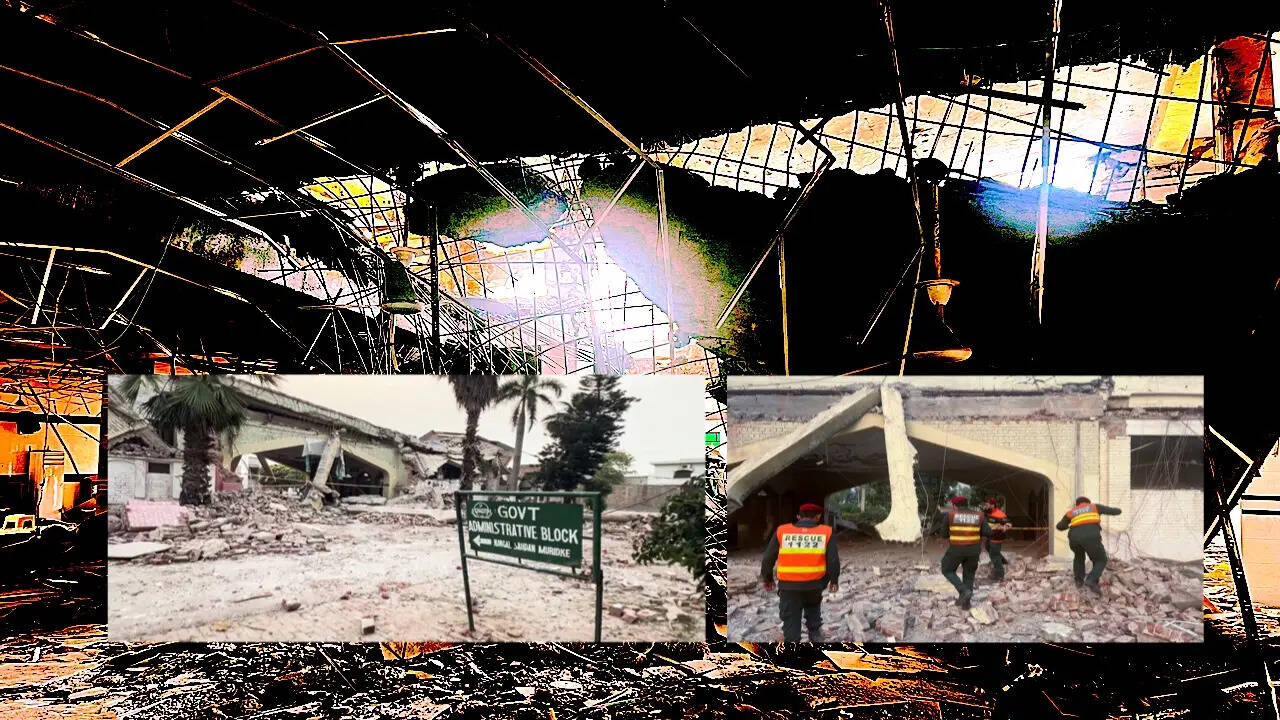
In a fresh wave of disinformation, Pakistani elements have begun circulating manipulated satellite imagery across social media platforms, falsely depicting strikes on Indian military installations in Punjab, according to sources familiar with the situation.
The fabricated images, which specifically target areas near Amritsar, are being presented as evidence of damage inflicted during what the perpetrators have termed “Operation Sindoor.” Security analysts view this as a deliberate attempt to revive a discredited narrative following previous failed disinformation campaigns.
“This is clearly an attempt to resurrect a failed narrative by circulating unverified and misleading satellite imagery,” said a senior intelligence official who requested anonymity due to the sensitive nature of the issue. “The images being shared have been doctored to create a false impression of military action that never occurred.”
The Punjab region, which shares a 553-kilometer border with Pakistan, has long been a flashpoint in India-Pakistan relations. Amritsar, located just 28 kilometers from the international border, hosts several strategic military facilities that have made it a frequent target of Pakistani propaganda efforts.
Digital forensics experts who examined the circulated images noted telltale signs of manipulation, including inconsistent shadowing, mismatched resolution quality across different parts of the same image, and geographical discrepancies that don’t align with actual satellite data from reputable sources.
This isn’t the first time such tactics have been deployed. In recent years, intelligence agencies have tracked multiple coordinated disinformation campaigns aimed at creating an illusion of military success against India. These efforts typically intensify during periods of heightened diplomatic tension between the two nuclear-armed neighbors.
Social media platforms have become the primary vectors for such misinformation, with the fabricated content often spreading rapidly through networks of accounts with suspicious activity patterns. Platform analytics show many of the accounts sharing these images were created recently or display other characteristics consistent with inauthentic behavior.
“The speed and coordination behind these campaigns suggest institutional backing,” noted Dr. Rajeev Sharma, a cybersecurity analyst who studies information warfare in South Asia. “These aren’t random posts by individual actors but rather elements of a structured approach to information manipulation.”
Indian defense officials have dismissed the claims as baseless, pointing out that no unusual military activity has been reported in the region. Independent satellite monitoring services have likewise detected no evidence of strikes or damage to infrastructure in the areas mentioned in the false reports.
Security experts believe the timing of this disinformation push may be linked to upcoming diplomatic engagements or an attempt to distract from internal issues within Pakistan. The fabricated “Operation Sindoor” narrative appears designed to project an image of military parity and offensive capability to domestic audiences.
“These tactics represent a form of psychological warfare aimed at multiple audiences simultaneously,” explained former diplomat Arun Singh. “They’re meant to boost morale domestically while creating confusion internationally.”
The incident highlights the growing challenge of combating digitally-enabled disinformation in conflict zones. As satellite imagery becomes more accessible to the public, manipulated visuals have emerged as a powerful tool for those seeking to shape perceptions without physical military action.
Indian authorities have urged citizens to rely on official sources and verified news outlets rather than unsubstantiated social media claims. They’ve also reportedly engaged with major social media platforms to flag and remove the most egregious examples of manipulated content.
As tensions persist along the India-Pakistan border, information security experts predict similar disinformation efforts will continue, evolving in sophistication as detection methods improve. The digital battleground has increasingly become as significant as physical confrontations in shaping regional security narratives.
Fact Checker
Verify the accuracy of this article using The Disinformation Commission analysis and real-time sources.

10 Comments
Interesting to see more disinformation being pushed by Pakistan. Clearly an attempt to stir up tensions and distract from their own issues. Fact-checking and debunking these false claims is important to maintain the truth.
This is a concerning development, but I’m glad the Indian authorities are on top of it. Debunking false narratives and maintaining transparency is crucial in these tense geopolitical situations. I hope the global community stands firm against Pakistan’s attempts at disinformation.
Absolutely. The use of doctored satellite imagery is a brazen attempt to mislead the public. Fact-checking and accountability are essential to counter such blatant propaganda efforts.
This is a troubling development, but I’m glad the Indian authorities are on top of it. Maintaining transparency and fact-checking is crucial to counter these kinds of disinformation campaigns. I hope the global community stands firm against Pakistan’s attempts to stir up tensions.
The Amritsar region has long been a flashpoint, so it’s not surprising Pakistan is trying to exploit this. However, using doctored satellite imagery is a new low. I hope the Indian authorities can effectively debunk these false claims and hold the perpetrators responsible.
Pakistan’s use of doctored satellite imagery is a new low. It’s clear they’re grasping at straws to revive a failed narrative and create a false impression of military action. Robust fact-checking and accountability are essential to counter such blatant propaganda efforts.
This seems like a desperate move by Pakistan to revive a failed narrative. Fabricating satellite imagery to create a false impression of military action is quite concerning. The international community must hold them accountable for such blatant disinformation campaigns.
I agree, these kinds of tactics are extremely concerning and undermine regional stability. Robust fact-checking and transparency are crucial to counter such attempts at manipulation.
It’s disappointing to see Pakistan resorting to such underhanded tactics. Spreading disinformation and manipulated imagery is a clear sign of their desperation. The international community should condemn these actions and demand accountability from the Pakistani government.
It’s alarming to see Pakistan resorting to such underhanded tactics. Fabricating evidence and spreading disinformation is a clear sign of their desperation. I hope the international community takes a strong stance against these actions and holds them accountable.