


Listen to the article
MPs Call for National Counter Disinformation Centre to Protect UK Democracy
British lawmakers have urged the government to establish a dedicated “National Counter Disinformation Centre” to shield UK democracy from malign influences both domestically and internationally. The proposal comes from the parliament’s Foreign Affairs Committee following an extensive investigation into foreign information manipulation and interference (FIMI).
The committee found that hostile state actors including Russia, China, and Iran, along with non-state groups such as Daesh, are increasingly weaponizing information to undermine democratic institutions. These efforts specifically aim to “sow distrust, undermine cohesion, and erode confidence” in the UK’s democratic foundations.
According to the report, the Foreign, Commonwealth and Development Office (FCDO) has developed valuable expertise in defending democracies abroad from disinformation campaigns. The committee emphasized that these lessons must now be urgently applied at home, as MPs noticed disturbing parallels between foreign disinformation tactics and those targeting the UK.
“The UK has been the victim of FIMI and although it is not of the scale we saw elsewhere, we nevertheless learnt how quickly malign actors could build up their adversarial networks,” the committee stated. This observation prompted members to question whether the UK’s successful counter-disinformation work overseas was being effectively implemented domestically.
The current approach to combating disinformation in Britain suffers from fragmentation across government departments, the report found. Seven different departments share responsibilities in this area, with primary roles assigned to the FCDO, Ministry of Defence, Home Office, and the Department for Science, Innovation and Technology (DSIT). Additional capacity comes from the Cabinet Office, Department for Culture, Media and Sport, and the Ministry of Housing, Communities and Local Government.
This fragmented structure has created what the committee describes as an “unnecessarily” complex system with no clear leadership. “This has created a system which seems to prioritize discussion and bureaucracy over action,” the report stated.
The committee pointed to the National Cyber Security Centre, housed within GCHQ, as a successful model that brings together government agencies, intelligence services, and private sector expertise under one roof. The proposed National Counter Disinformation Centre would follow a similar structure while being placed on a statutory footing with parliamentary oversight.
The new body would draw inspiration from similar institutions in other countries, including Sweden’s Psychological Defence Agency, Ukraine’s Center for Countering Disinformation, and France’s Vigilance and Protection against Foreign Digital Interference service.
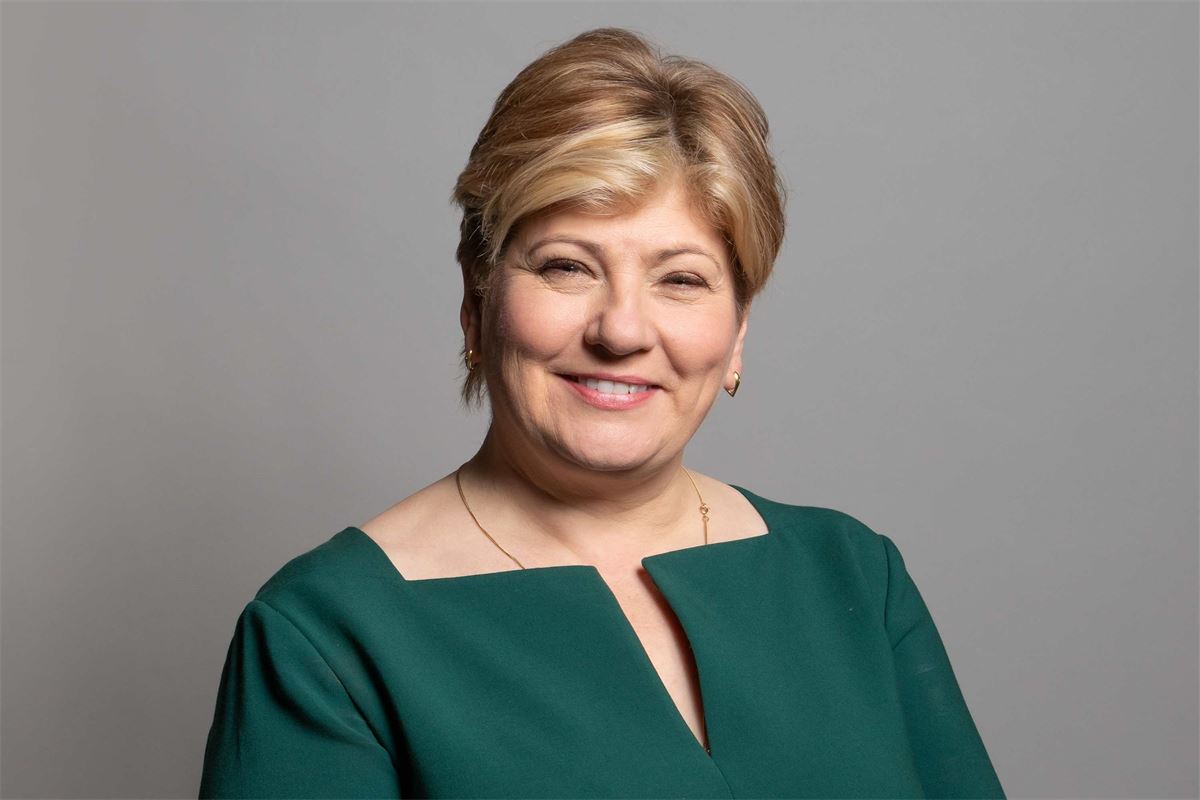
Committee chair Dame Emily Thornberry expressed shock at the widespread nature of organized disinformation campaigns. “It is the new warfare and open liberal democracies are sitting ducks,” she warned. “From pushing provable lies, to planting false seeds of doubt, disinformation is the weapon of choice of hostile states seeking to destabilize democracies.”
Thornberry specifically highlighted Russia’s “hybrid attacks” – including sabotage, assassination attempts, and information manipulation – as amounting to a “war against the West.” She argued that the UK must strengthen its defenses, with the proposed centre playing a pivotal role.
The committee also criticized the government for failing to communicate effectively with the public about the scale of the disinformation threat. “Frankly, we need a bit less caution and bit more candour,” Thornberry stated. The report recommended declassifying examples of disinformation when appropriate and providing regular briefings to media and civil society organizations.
Another concern raised was the government’s apparent failure to utilize the expertise gathered by the FCDO’s overseas network to inform domestic counter-disinformation strategies. The committee called for evidence showing how insights from the global network are translated into policy responses at home.
Additionally, MPs recommended increased funding for FCDO’s newly formed Hybrid Threats Directorate, suggesting the money could come from the planned increase in defense spending to 3.5% of GDP by 2035.
In response, the FCDO acknowledged Foreign Secretary Yvette Cooper’s December remarks that “disinformation” inadequately describes the “industrial scale approach from some malign actors.” The department highlighted its existing “world-class cyber security, expert law enforcement and intelligence capabilities” while promising a detailed written response to the committee’s recommendations.
Fact Checker
Verify the accuracy of this article using The Disinformation Commission analysis and real-time sources.

12 Comments
Combating foreign and domestic disinformation campaigns is a complex challenge. A dedicated national center could help coordinate a comprehensive response, but its mandate, powers, and accountability mechanisms must be carefully defined through broad public consultation.
Tackling foreign interference and domestic disinformation is a complex challenge. While a centralized hub could enhance information sharing, it’s important to ensure transparency, accountability, and respect for privacy and free speech. Keen to understand the proposed oversight mechanisms.
Good point. Any new anti-disinformation efforts will need robust checks and balances to avoid overreach or misuse. Transparency and public oversight will be critical.
Disinformation campaigns from hostile state actors and non-state groups pose a serious threat to democratic stability. A coordinated national effort to counter these threats could be valuable, but the specific mechanisms and limitations must be clearly defined.
Protecting democracy from disinformation is crucial. A dedicated national center could help coordinate efforts and share best practices across government, tech platforms, and civil society. Curious to see what specific measures and safeguards would be proposed.
Combating disinformation is vital for protecting democratic institutions. However, any new government-led initiatives must be carefully designed to avoid infringing on free speech and freedom of the press. Safeguards against overreach will be essential.
Agreed. The proposed center will need to navigate a delicate line between addressing genuine threats and respecting core democratic freedoms. Careful public consultation and oversight will be key.
Interesting development. While a dedicated national center sounds promising, the real test will be in its implementation and ability to effectively counter disinformation without undermining civil liberties. Careful design and public scrutiny will be crucial.
Shielding democracy from malign information manipulation is undoubtedly important. However, the proposed national center must be designed with robust safeguards to prevent mission creep or abuse of power. Transparency and independent oversight will be vital.
Well said. Any new anti-disinformation efforts need to balance the imperative of protecting democratic institutions with the equally vital need to preserve fundamental freedoms. Striking that balance will be the key challenge.
Establishing a dedicated national center to combat disinformation seems like a reasonable step. But the details will be crucial – how will its mandate, funding, and operational independence be defined? Effectiveness will depend on striking the right balance.
Interesting proposal. Curious to learn more about the specific expertise and capabilities the FCDO has developed in defending democracies abroad. Could those lessons be effectively applied to the UK’s domestic context?