


Listen to the article
Federal officials are intensifying efforts to access state voter rolls across the nation as part of a broader initiative to strengthen election integrity, a move that has prompted pushback from some state authorities concerned about federal overreach into traditionally state-managed election systems.
The U.S. Department of Justice has sought access to statewide voter registration data in multiple states, citing federal laws that permit review of election records to verify accuracy and ensure compliance with national standards. This effort comes amid heightened national attention to election administration procedures following recent contentious election cycles.
Proponents of increased federal oversight argue that broader access to voter data is essential to maintain accurate voter rolls by identifying outdated registrations, preventing duplicate records across state lines, and confirming voter eligibility. Federal officials have specifically highlighted potential vulnerabilities in mail-in voting systems and inconsistent voter roll maintenance procedures as areas requiring additional scrutiny.
The Trump administration has outlined a series of additional measures through executive action aimed at standardizing certain aspects of election administration nationwide. These include proposals for developing a national reference system for eligible voters and implementing more rigorous protocols for mail ballot distribution. Supporters contend that establishing more uniform standards across different states could address inconsistencies and strengthen electoral safeguards.
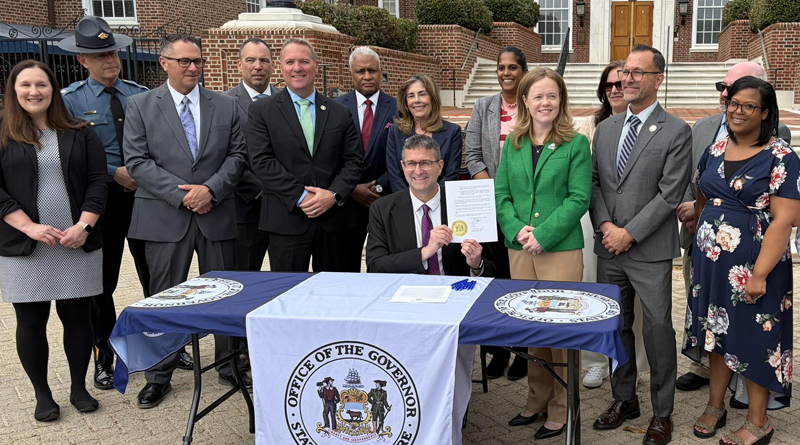
However, the federal push has encountered resistance from state officials who view election administration as primarily a state responsibility. Delaware has emerged as one of the states taking concrete action in response to the federal initiatives, with Governor Matt Meyer recently signing Executive Order 19, which establishes a specialized task force to address election security concerns.
The Delaware Task Force has been formalized as an advisory body charged with conducting a comprehensive review of the state’s election security framework. According to the executive order, the group will assess existing systems, infrastructure, and operational preparedness while identifying potential vulnerabilities and emerging risks to the integrity of the state’s electoral process.
The task force’s mandate includes examining resilience against various threats, including cyber incidents, disinformation campaigns, and potential interference with voters’ ability to cast ballots. State officials have emphasized that while the task force will review security practices and recommend improvements, it does not alter the fundamental way elections are currently administered in Delaware.
Membership in the Delaware Task Force is broadly representative, including leadership from key state agencies such as the Secretary of State’s office, the Department of Safety and Homeland Security, and the Commissioner of Elections. The group also incorporates representatives from law enforcement including the Delaware State Police, along with federal partners from the FBI and Department of Homeland Security. Legislative representatives round out the membership, ensuring multiple perspectives are considered.
The executive order establishes a structured timeline for the task force’s work, requiring regular meetings and the production of a series of reports aligned with the electoral calendar. These include recommendations to be delivered before the statewide primary election, follow-up findings shortly afterward, and a comprehensive evaluation after the general election that will assess the effectiveness of implemented security measures.
Legal disputes regarding federal access to voter data and the appropriate division of election authority between state and federal governments continue to unfold in courts across the country. The resolution of these cases will likely establish important precedents regarding how much access federal agencies can have to state election records and clarify jurisdictional boundaries in election administration.
The ongoing tension reflects fundamental questions about federalism and the appropriate balance between national standards and state autonomy in managing elections. As these legal challenges proceed, both state and federal officials continue to emphasize their shared goal of ensuring election integrity, even as they disagree about the means to achieve it.
Fact Checker
Verify the accuracy of this article using The Disinformation Commission analysis and real-time sources.

12 Comments
Ensuring the integrity of our elections is fundamental to a healthy democracy. I’m curious to learn more about the specific measures being taken and how they will be implemented to address vulnerabilities while respecting state sovereignty.
It’s encouraging to see federal officials taking proactive steps, but the details will be crucial in evaluating the merits and potential drawbacks of this initiative.
Addressing vulnerabilities in mail-in voting and voter roll maintenance is reasonable, but the specifics of federal oversight will be crucial. Transparency and respect for state autonomy must be prioritized.
Agreed, this is a complex issue with valid concerns on both sides. A collaborative approach that protects democratic principles while enhancing security is the ideal outcome.
Strengthening election integrity is vital, but the approach must balance federal and state responsibilities. I hope this task force can find solutions that protect voter privacy while improving system-wide accuracy and consistency.
Balancing these competing priorities will require nuanced policymaking and ongoing dialogue between federal and state authorities. It’s a challenging but necessary endeavor.
Combating disinformation is a noble goal, but the methods used must be carefully scrutinized to prevent overreach or abuse. Maintaining public trust in the electoral process is paramount.
Agreed, any efforts to secure elections should be transparent and subject to robust checks and balances to ensure they are effective and proportionate.
Securing elections and combating disinformation are critical priorities. Granting federal access to state voter rolls could help identify issues, but there are valid concerns over state autonomy and privacy that must be carefully balanced.
Agreed, this is a complex issue requiring thorough consideration of all perspectives to find the right approach.
Efforts to secure elections and combat disinformation are admirable, but the methods employed must be carefully considered. Maintaining the integrity of the democratic process is of paramount importance.
Absolutely, any initiatives in this domain need to be thoroughly vetted to ensure they are effective, lawful and aligned with core democratic principles.