


Listen to the article
The battle against misinformation intensifies as Fiji prepares for elections, with local journalists receiving specialized training to enhance their fact-checking capabilities. In a timely initiative, media professionals participated in a workshop designed to strengthen accuracy and rebuild public trust in reporting ahead of the upcoming electoral cycle.
Australia’s High Commissioner to Fiji, Peter Roberts, emphasized the urgent need to address false information at yesterday’s gathering. He warned that digital platforms and artificial intelligence have dramatically accelerated the spread of misleading content, creating unprecedented challenges for media organizations and government bodies alike.
“The digital landscape has transformed how information spreads, making verification more critical than ever,” Roberts noted during the workshop, which was facilitated by the Australian Associated Press (AAP) Fact Check team.
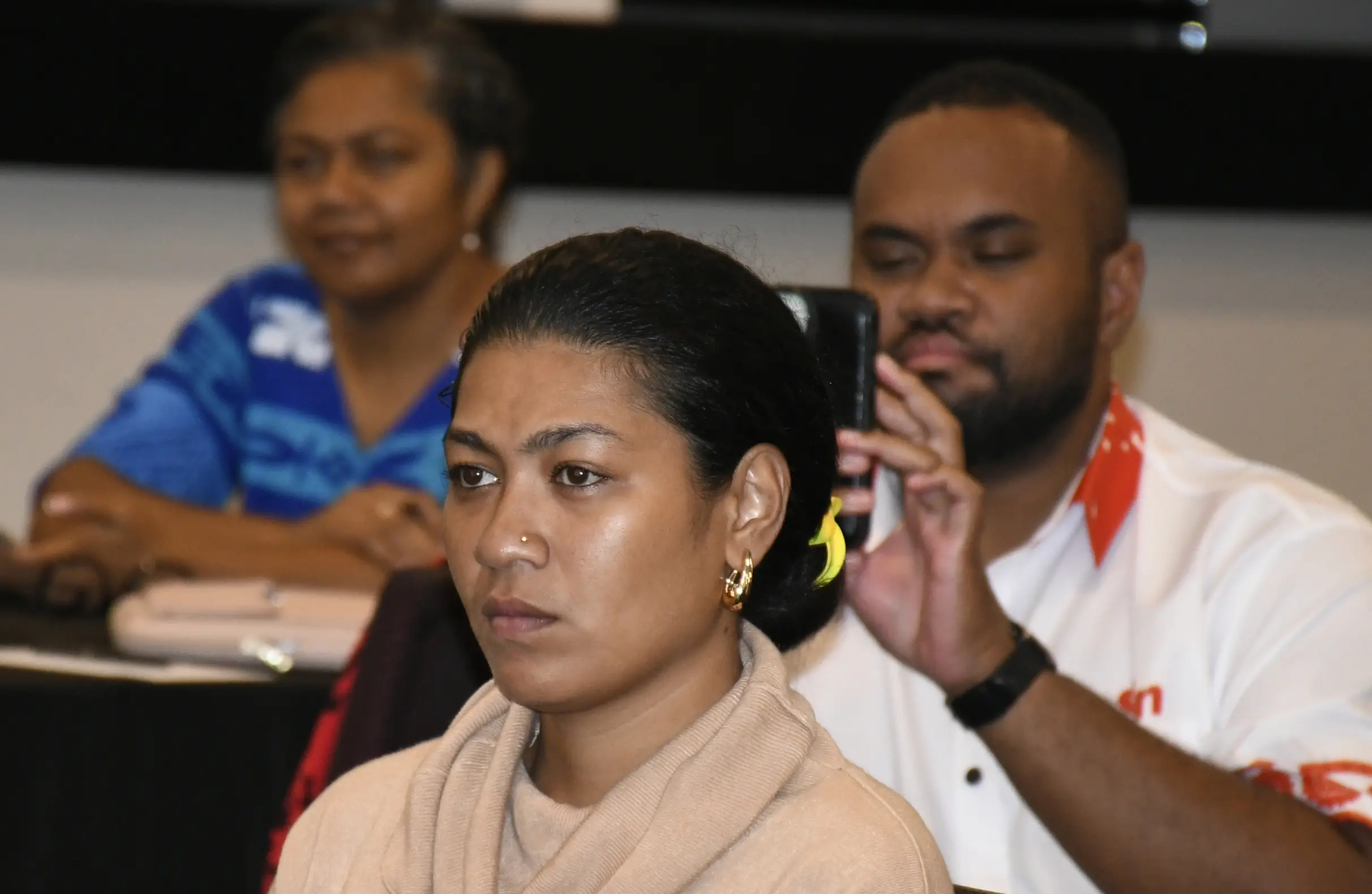
The initiative brought together journalists from mainstream media outlets across Fiji, equipping them with advanced skills to verify information and identify false narratives before publication. Participants engaged in practical exercises designed to strengthen their ability to distinguish between genuine news and fabricated content—a distinction that becomes increasingly blurred during election periods.
Fiji’s Ministry of Information revealed that misinformation circulating on social media has evolved into a daily challenge for officials. Government representatives increasingly find themselves required to verify misleading or questionable content that circulates widely on digital platforms. This trend reflects broader regional concerns about information integrity in the Pacific, where digital literacy varies significantly across demographics.
In response to these growing challenges, the Ministry announced that 50 government officers will undergo specialized training in information verification techniques. This initiative reflects a comprehensive approach to improving communication standards across all levels of government and signals official recognition of the threat posed by unchecked misinformation.
Media professionals attending the workshop were reminded that rigorous fact-checking forms the bedrock of journalistic credibility. This principle becomes particularly vital during election periods, when the volume of false information typically surges as political actors vie for advantage.
Workshop facilitators stressed a fundamental journalistic principle to participants: “When in doubt, leave it out.” However, they emphasized that exemplary journalists go beyond mere caution to actively “find out”—pursuing verification rather than simply omitting questionable information. This approach, they suggested, represents the gold standard for responsible reporting in contentious times.
The Fijian Government reaffirmed its commitment to working collaboratively with both media organizations and international partners to promote responsible reporting. Officials emphasized that maintaining truth and integrity in journalism isn’t merely a professional standard but essential to protecting public confidence and democratic processes in Fiji.
Experts at the workshop clarified the crucial distinction between misinformation and disinformation, which while both harmful, differ primarily in intent. Misinformation refers to false or inaccurate information spread without malicious intent, often by individuals who believe it to be true—essentially, honest mistakes. Disinformation, by contrast, describes false information deliberately created and shared to mislead, harm, or manipulate people, typically advancing political, financial, or malicious objectives.
The timing of this initiative is particularly significant for Fiji, which has experienced political tensions in recent years. With elections approaching, the stakes for accurate reporting become even higher, as misinformation can inflame existing divisions and undermine democratic participation.
International organizations have increasingly recognized the threat that information disorder poses to emerging democracies. The Australian government’s support for this initiative reflects broader regional concerns about maintaining democratic stability across the Pacific, where social media penetration has grown faster than regulatory frameworks can adapt.
As digital platforms continue to transform how citizens consume news and information, initiatives like this workshop represent a crucial front in preserving information integrity during politically sensitive periods.
Fact Checker
Verify the accuracy of this article using The Disinformation Commission analysis and real-time sources.

10 Comments
Enhancing journalists’ ability to identify false narratives is crucial for ensuring accurate and trustworthy reporting, especially around elections. This training program sounds like a valuable investment.
I agree. With the prevalence of misinformation online, equipping media professionals with advanced fact-checking skills is a necessary step to protect the integrity of the upcoming elections in Fiji.
This is a timely and much-needed initiative. The digital landscape has indeed transformed how information spreads, making the verification process more critical than ever. Kudos to the organizers for empowering Fijian journalists with these crucial skills.
Absolutely. Strengthening journalists’ ability to identify and counter misinformation is essential for maintaining public trust in the media and the democratic process. This training program seems like a wise investment.
This is an important initiative to combat the spread of misinformation ahead of elections. Ensuring journalists have the skills to verify information and identify false narratives is crucial for maintaining public trust in media reporting.
I agree, the digital landscape has made the verification process more challenging but also more critical than ever. Empowering journalists with fact-checking capabilities is a smart approach.
It’s alarming to see how rapidly misinformation can spread through digital platforms and AI. This training for Fijian journalists is a timely and necessary step to address this growing threat to election integrity.
Absolutely. Rebuilding public trust in reporting is vital, especially during sensitive electoral periods. This workshop seems well-designed to equip journalists with the right tools and skills.
The accelerated spread of misleading content is a real challenge that media organizations and governments must confront head-on. I’m glad to see this proactive approach to upskilling journalists in Fiji.
Fact-checking and verification have never been more important. This initiative seems like a smart way to empower local journalists and safeguard the democratic process.