


Listen to the article
Forensic Investigation Exposes Coordinated Disinformation Campaign Against INEC Chairman
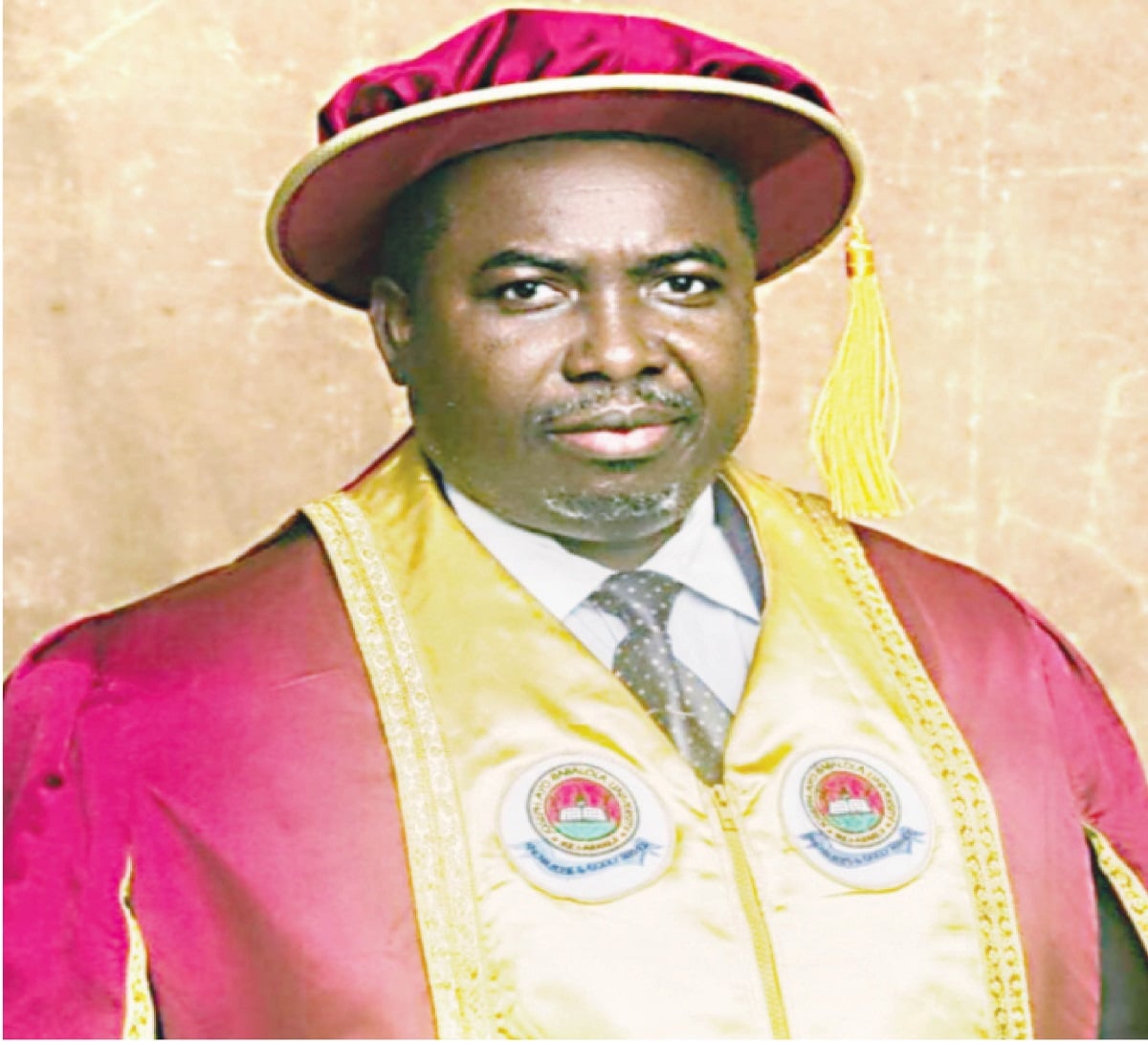
A comprehensive forensic investigation has conclusively determined that all social media posts and statements attributed to Prof. Joash Amupitan, Chairman of the Independent National Electoral Commission (INEC), on Twitter (now X) are fraudulent and part of a sophisticated disinformation campaign.
The detailed report, released Monday by INEC, presents multiple lines of evidence confirming that Prof. Amupitan has never operated any personal Twitter account, contradicting widespread claims that circulated across Nigerian media.
Perhaps the most damning evidence uncovered by investigators was a timestamp anomaly that defies the basic mechanics of social media platforms. The alleged reply from Amupitan’s fake account was posted 13 minutes before the original tweet it supposedly responded to—a technical impossibility that strongly indicates deliberate digital manipulation.
“The forensic evidence is comprehensive, multi-sourced, and unambiguous,” stated Adedayo Oketola, Chief Press Secretary and Media Adviser to the INEC Chairman. “The posts attributed to Prof. Amupitan on X are fabricated. The account is a clear case of impersonation.”
Investigators employed multiple verification techniques including platform recovery tools, email linkage checks, and phone number analysis. These methods confirmed no connection exists between the fake X account and Prof. Amupitan’s verified contact information. Claims based on banking verification numbers (BVN) and OPay data were described as misleading and logically flawed in the report.
Further forensic analysis using the Wayback Machine internet archive revealed no record of the account or its posts before April 2026, despite claims that it had been active since 2022. Additionally, the alleged controversial reply does not exist on the live X platform, confirming it was never actually posted.
The investigation uncovered evidence of deliberate attempts to cover digital tracks. On the same day the screenshots went viral, the account was renamed from @joashamupitan to @sundayvibe00, set to private mode, and labeled as a “Parody Account”—actions identified as calculated efforts to evade detection and accountability.
The report also exposed a broader network of impersonation across multiple platforms. Investigators found fake Facebook and Instagram accounts using Prof. Amupitan’s identity, with recycled profile images and systematic misuse of publicly available personal data, suggesting a coordinated campaign rather than an isolated incident.
The timing of this disinformation campaign is particularly significant as Nigeria approaches the 2027 election cycle. Electoral integrity has become an increasingly contentious issue in Nigerian politics, with social media emerging as a battleground for influence and public perception.
INEC has referred the case to law enforcement agencies for further investigation and possible prosecution under Nigeria’s Cybercrimes Act, which provides severe penalties for digital impersonation and dissemination of false information.
The Commission has urged media organizations and the public to verify social media content before sharing, emphasizing that viral content should not be equated with authentic information. The case highlights the growing sophistication of disinformation campaigns and the challenges they pose to electoral integrity in the digital age.
“This incident demonstrates the evolving nature of threats to our democratic process,” a cybersecurity expert familiar with the investigation noted. “The combination of social engineering, technical manipulation, and coordinated amplification makes such campaigns particularly dangerous to public discourse.”
INEC has reaffirmed that all official communications are issued only through its verified platforms and that any account claiming to represent Prof. Amupitan in a personal capacity should be treated as fraudulent unless officially confirmed by the Commission.
As Nigeria prepares for future elections, this incident serves as a stark reminder of the challenges posed by digital disinformation and the critical importance of information verification in maintaining public trust in democratic institutions.
Fact Checker
Verify the accuracy of this article using The Disinformation Commission analysis and real-time sources.

10 Comments
This is a worrying case of digital manipulation targeting INEC’s leadership. I hope the detailed forensic report can shed light on the motives and sources behind this disinformation effort.
Absolutely, getting to the bottom of this incident is crucial to safeguarding the credibility of Nigeria’s electoral process. Transparency from INEC is key.
Interesting development. It’s important that INEC takes decisive action to address this coordinated disinformation attempt and reassure the public about the reliability of their systems and processes.
Indeed, the use of forensic analysis to expose fabricated social media posts is a positive step. This helps counter the spread of false narratives around the electoral commission.
This is quite concerning. If the forensic report confirms the INEC chairman’s account was fabricated, that’s a serious breach of trust. I hope the authorities get to the bottom of this disinformation campaign and hold the perpetrators accountable.
Agreed, transparency and accountability are crucial for the integrity of the electoral process. The public deserves accurate information from official sources.
The timestamp anomaly uncovered by the forensic investigation is a clear red flag. This level of digital manipulation is unacceptable and undermines the integrity of the electoral system.
This is a concerning development that requires a thorough investigation. The public deserves accurate information, and INEC must take steps to address this disinformation campaign effectively.
Agreed. Restoring trust in the electoral process is paramount, and INEC’s handling of this incident will be closely watched.
The forensic evidence presented by INEC seems quite compelling. It’s troubling to see such a coordinated attempt to spread misinformation about the electoral commission’s chairman. Accountability is crucial here.