


Listen to the article
Gas Giants Accused of Undermining Heat Pump Adoption Amid Energy Security Concerns
Gas companies have been accused of “undermining” the uptake of heat pumps in the UK, even as recent conflicts in the Middle East highlight the risks of fossil fuel dependence. Environmental charity ClientEarth has raised concerns that ten major companies may be working collectively to hamper the development of Britain’s home heating market.
Lawyers from the organization allege these companies are “potentially misleading consumers” into believing heat pumps aren’t viable alternatives to traditional gas heating systems. According to ClientEarth, these gas giants have systematically spread misinformation about heat pump technology while simultaneously promoting hydrogen as the future of green heating.
The issue extends beyond British borders. In Poland, the Ministry of Climate and Environment has reported a similar “wave of disinformation” around heat pump technology, which is impeding efforts to modernize the country’s heating infrastructure.
Despite these alleged campaigns, public interest in heat pumps appears to be growing. UK-based energy firm Octopus Energy reported that heat pump sales increased by more than 50 percent in the first three weeks of March compared to February.
“Whether through misinformation, potentially misleading marketing practices or apparent price fixing, the gas industry seems willing to go to great lengths to paint a rosy picture of sticking with their gas products, while casting heat pumps in a negative light,” said Catherine Derenne, a ClientEarth lawyer.
Derenne emphasized that heat pumps offer both environmental benefits and lower energy costs for consumers. “It also leaves the UK lagging far behind other countries on heat pump uptake, and consumers are sadly paying the price,” she added.
Jess Ralston of the Energy and Climate Intelligence Unit (ECIU) pointed to Britain’s heavy reliance on gas boilers as a key factor in the country’s vulnerability during the energy crisis that followed Russia’s invasion of Ukraine.
“Anyone that seeks to delay the move to heat pumps, which will increasingly run off British wind and solar, is arguing for people to remain vulnerable to gas price spikes on international markets out of our control,” Ralston stated.
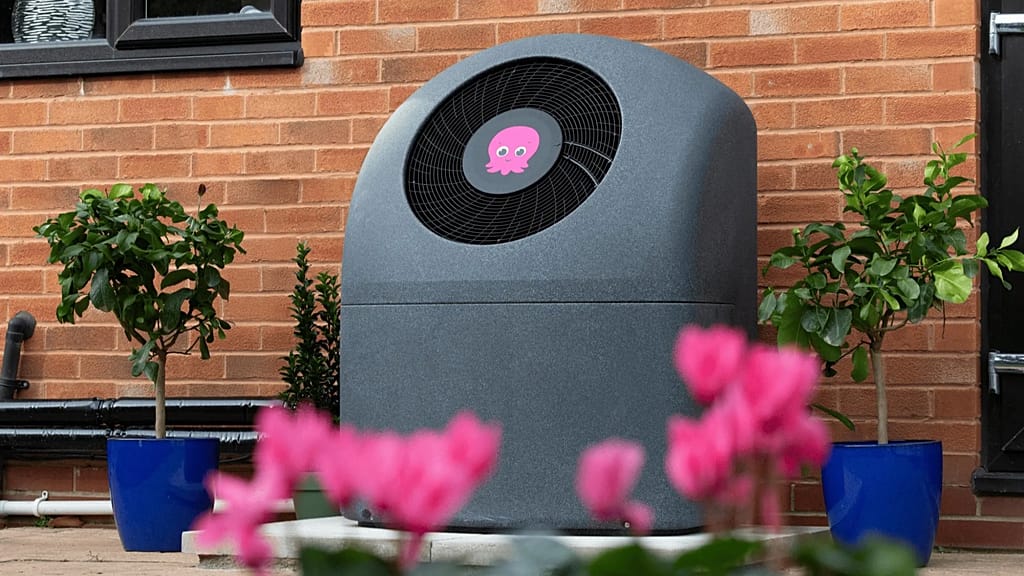
Heat pumps work by capturing energy from air, water, or the ground and converting it into heating or cooling. They function similarly to refrigerators but in reverse, using a compressed liquid that turns into hot gas, which then releases heat into a home’s central heating system.
One common misconception is that heat pumps don’t work effectively in cold climates. However, some of Europe’s coldest countries have the highest adoption rates. According to European Commission data, Norway, Finland, Sweden, and Estonia lead Europe in heat pumps per capita. Finland, despite its notoriously cold climate, has an impressive 524 heat pumps installed per 1,000 households.
Heat pumps maintain efficiency in temperatures as low as -10°C, covering most European regions, and can still outperform conventional electric heating even when temperatures drop to -30°C.
Another widespread belief is that heat pumps only work in new construction. Studies from The Fraunhofer Society, Europe’s largest application-oriented research organization, contradict this claim. Their 2019 research found that heat pumps outperform gas boilers even in buildings over 100 years old that have undergone partial or full energy-saving renovations. Air-source heat pumps achieved an average seasonal performance rating of 3.1, making them more than three times more efficient than gas boilers.
Noise concerns have also been exaggerated, according to experts. Heat pumps typically operate at 40-60 decibels – comparable to a refrigerator. A 2023 investigation by acoustic specialists confirmed that these devices produce minimal noise, allowing normal conversations nearby even during peak operation.
The primary appeal of heat pumps is their potential to reduce energy costs. The UK government estimates savings of about £100 (€115.20) annually for households with smart tariffs, due to heat pumps being three times more efficient than traditional boilers. These savings are expected to increase as gas prices continue to rise.
The main barrier to adoption remains the initial investment. Heat pumps in the EU cost between €8,000 and €18,000, with installation adding another €3,000 to €20,000. To offset these costs, many governments offer incentives. In England and Wales, property owners can apply for a £7,500 (€8,638.76) grant through the Boiler Upgrade Scheme, provided they have a valid Energy Performance Certificate.
As energy security concerns grow and climate targets loom, the battle between traditional gas heating and newer technologies like heat pumps appears set to intensify across European markets.
Fact Checker
Verify the accuracy of this article using The Disinformation Commission analysis and real-time sources.

16 Comments
It’s concerning to hear about these allegations of gas companies potentially misleading the public. We need an objective, evidence-based assessment of heat pump technology and its suitability for different building types and climates.
Agreed. Any misinformation, whether intentional or not, could hinder the transition to more sustainable home heating solutions. Transparent, fact-based information is essential for consumers.
The article raises valid concerns about potential conflicts of interest and the need for transparency. It’s critical that policymakers and regulators closely examine the claims and ensure consumers have access to reliable, unbiased information.
Well put. Addressing any alleged industry efforts to undermine heat pump adoption should be a priority, as it could undermine broader decarbonization goals. Maintaining public trust is crucial.
The rise in heat pump interest is encouraging, despite the alleged disinformation campaigns. Technological advancements and government incentives seem to be driving increased consumer adoption in some markets.
That’s a good point. Consumer demand appears to be growing, which could help overcome any industry efforts to undermine heat pump uptake. Policies supporting green heating options will be crucial.
I’m curious to learn more about the specific allegations against these gas companies. What evidence is there of their involvement in spreading misleading claims about heat pump technology?
Valid question. The article mentions ‘potential’ misleading by gas companies, so more details on the evidence would be helpful to evaluate the claims.
This is an important issue that deserves further investigation. Consumers should be able to make informed decisions about their home heating options, free from any potential industry bias or misinformation.
Agreed. Transparency and accountability will be key to ensuring a fair and efficient transition to sustainable home heating solutions. Robust consumer education will be essential.
I’m glad to see the growing public interest in heat pumps, despite the alleged disinformation campaigns. Overcoming any industry resistance will be important for accelerating the adoption of this green heating technology.
Absolutely. Consumers should have the freedom to choose the best heating solution for their needs, based on factual, impartial information. Healthy competition and innovation in this space is beneficial.
The article highlights an important issue around energy security and the need to reduce reliance on fossil fuels. Heat pumps could play a key role, but only if consumers have access to accurate information about their capabilities.
Well said. Diversifying home heating options is crucial for energy resilience, but that requires trust in the available technologies. Robust consumer education will be critical going forward.
Interesting to see the claims about gas companies undermining heat pump adoption. It’s critical that consumers get accurate, unbiased information to make informed choices about their home heating options.
Agreed. Any coordinated effort to spread misinformation is concerning and should be investigated thoroughly. Transparency is key for consumers to make the best decisions.