


Listen to the article
Germany Unveils Comprehensive Plan to Counter Russian Hybrid Threats
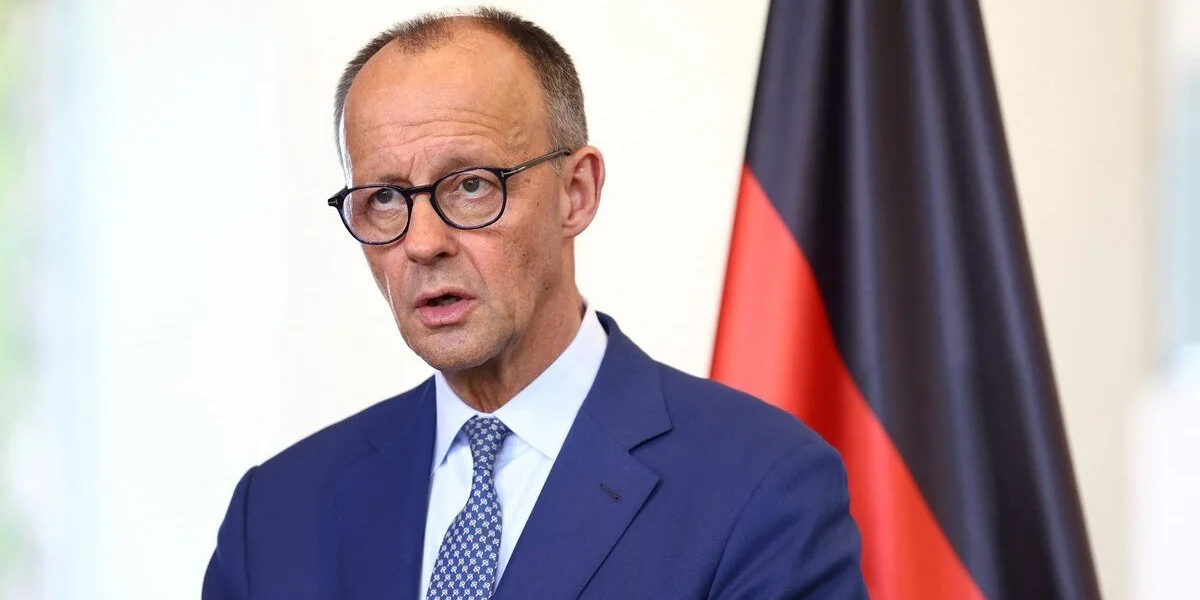
Germany is finalizing a far-reaching new action plan to defend against Russian hybrid warfare, Chancellor Friedrich Merz announced on Tuesday. The federal government’s strategy will soon be submitted to the National Security Council for review during its inaugural meeting in the coming days.
During his announcement, Merz directly accused Russia of conducting a coordinated campaign designed to destabilize Germany and its European partners through multiple vectors including sabotage, espionage, cyberattacks, and targeted disinformation efforts. The chancellor specifically highlighted concerns about members of the far-right Alternative for Germany (AfD) party, whom he accused of serving as domestic amplifiers for Kremlin narratives.
“Putin has miscalculated,” Merz stated firmly. “We will not allow ourselves to be intimidated. We will defend ourselves against this onslaught of uncertainty.”
The strategy comes amid escalating concerns about Russian interference in European democracies, with intelligence agencies across the continent reporting increased hostile activities from Moscow-linked actors. Germany, as Europe’s largest economy and a key supporter of Ukraine, has become a primary target for such operations.
Security experts familiar with the plan suggest it will encompass a range of defensive measures, including enhanced cybersecurity protocols, improved protection for critical national infrastructure, and better coordination between the country’s intelligence services and law enforcement agencies. The timing is particularly significant as Germany begins preparations for federal elections scheduled for 2026, which officials fear could be targeted by Russian influence operations.
The chancellor emphasized that Germany remains steadfast in its commitment to supporting Ukraine’s defense against Russian aggression despite these pressure tactics. Merz called on European partners to maintain and even expand pressure on Moscow to compel the Kremlin toward engaging in serious peace negotiations.
Germany’s strategic shift reflects a broader recognition across NATO and EU countries that Russia’s warfare extends well beyond conventional military operations in Ukraine. In recent months, German authorities have investigated several incidents of suspected sabotage against military and civilian infrastructure, including fiber-optic cable cuts and suspicious activities near military installations.
The country’s intelligence services have also reported dramatic increases in cyber intrusions targeting government networks, defense contractors, and energy providers. These attacks align with a pattern of similar activities observed across other European states that have strongly supported Ukraine.
Political analysts note that the plan represents the most concrete step yet by Merz’s government to address national security concerns since taking office. The chancellor’s specific mention of the AfD marks a significant escalation in rhetoric against the far-right party, which has faced ongoing scrutiny for its pro-Russian positions and suspected ties to Kremlin-affiliated organizations.
The establishment of Germany’s National Security Council itself signals a major institutional reform in how the country approaches security threats. Created earlier this year, the council aims to better coordinate Germany’s response to complex, multidimensional challenges that cross traditional boundaries between domestic and foreign policy.
Industry leaders in the technology and infrastructure sectors have welcomed the government’s more assertive stance, though many have called for increased public-private cooperation and additional resources to harden vulnerable systems against sophisticated state-sponsored attacks.
As European countries continue adjusting to a new security reality shaped by Russia’s full-scale invasion of Ukraine, Germany’s comprehensive approach may serve as a model for other nations facing similar challenges from hostile foreign actors employing hybrid warfare tactics.
Fact Checker
Verify the accuracy of this article using The Disinformation Commission analysis and real-time sources.

16 Comments
Interesting to see Germany taking a firm stand against Russian hybrid threats. Protecting critical infrastructure and countering disinformation are crucial in these challenging times.
Agreed. Germany is right to be vigilant and prepared to defend its democracy against these insidious attacks.
Kudos to the German government for developing a comprehensive strategy to counter Russian sabotage, cyberattacks, and disinformation. This is a necessary step to defend their democracy.
I hope this plan is effectively implemented and serves as a model for other European countries facing similar threats from Russia.
Germany’s new action plan to address the multi-faceted threat from Russia is a welcome development. Protecting critical infrastructure and combating Kremlin-backed disinformation are crucial priorities.
Agreed. This strategy demonstrates Germany’s resolve to safeguard its national security and the integrity of its democratic processes.
Russia’s attempts to destabilize Germany and the EU through hybrid warfare tactics are deeply concerning. Germany’s new strategy is a necessary step to safeguard their democratic institutions.
Agreed. Vigilance and a strong, united response are crucial to deter further Russian aggression and interference in European affairs.
Germany’s plan to confront Russian sabotage, cyberattacks, and disinformation is a timely and critical initiative. Maintaining secure critical infrastructure and countering Kremlin narratives are paramount.
This is a welcome move. Germany is taking a proactive stance to protect its sovereignty and the integrity of its democratic processes.
The comprehensive nature of Germany’s new strategy to combat Russian hybrid threats is reassuring. Addressing multiple vectors of attack, including domestic extremism, is a prudent approach.
I’m glad to see Germany taking this threat seriously. Defending against sabotage, cyberattacks, and disinformation requires a coordinated, multi-faceted response.
Combating sabotage, cyberattacks, and disinformation from Russia is a top priority for Germany. This comprehensive plan signals their resolve to protect national security.
It’s good to see Germany taking a proactive approach to address these complex threats. Coordination with European partners will be key.
Germany is right to call out Russia’s destabilizing activities and take decisive action to protect its critical infrastructure and democratic institutions. Deterring further aggression is crucial.
Absolutely. Germany’s plan demonstrates a strong commitment to safeguarding its sovereignty and security in the face of Russian hybrid warfare tactics.