


Listen to the article
Electoral Commission Launches AI Deepfake Detection Pilot Ahead of May Elections
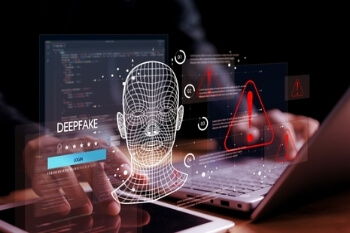
As local elections approach this May, the Electoral Commission has unveiled a pioneering pilot program designed to combat a growing threat to electoral integrity: AI-generated deepfakes. This initiative comes at a critical moment when artificial intelligence has dramatically lowered the barriers to creating convincing synthetic media that can manipulate public opinion.
During the 2024 general election, approximately one-quarter of voters reported encounters with deepfakes—synthetic videos, audio recordings, or images designed to make it appear that someone said or did something they never actually did. This statistic underscores the rapid evolution of this threat from a theoretical concern to a tangible electoral challenge.
“We have been monitoring online information threats for some time,” explains Vijay Rangarajan, the Electoral Commission’s chief executive. “Recently, AI tools have made creating convincing deepfakes dramatically faster, cheaper, and more accessible.”
The international evidence supporting this concern is substantial. In Ireland last year, a deepfake falsely depicted a presidential candidate withdrawing from the race just days before polls opened. In the UK, similar synthetic media has targeted high-profile figures including the Prime Minister, the Mayor of London, and sitting Members of Parliament.
“The threat has grown significantly,” Rangarajan notes, “and this pilot is our response, in line with our Corporate Plan commitment to build greater AI capability to monitor threats to the democratic system.”
The detection system employs a hybrid approach combining technological tools with human expertise. AI-supported software assesses content and generates confidence scores regarding authenticity, but crucially, no determination about potential deepfakes is made without human oversight.
“A human analyst reviews every potential deepfake before any decision is made,” Rangarajan emphasizes. “The technology supports our judgement; it doesn’t replace it.” This balanced methodology acknowledges both the current limitations of AI detection systems and the serious implications of incorrectly flagging legitimate content as manipulated.
The timing challenge remains significant. Deepfakes can proliferate rapidly across social media platforms, potentially causing damage before detection systems can respond—particularly during the compressed timeframes of election periods. Rangarajan acknowledges this reality: “Deepfake detection is a rapidly evolving field, and we are deliberately and carefully building our expertise to inform our future response to electoral misinformation.”
This suggests the pilot serves dual purposes: providing immediate protection for the upcoming elections while also developing capabilities for more sophisticated responses in future electoral cycles.
The Electoral Commission operates within specific constraints, functioning not as a content regulator but as part of a broader ecosystem addressing disinformation. When asked about scenarios where social media platforms might refuse takedown requests, Rangarajan clarifies the Commission’s role: “We’re not here to police platforms but to ensure that when deepfakes emerge, the right organisations are alerted quickly, the evidence is preserved, and the public has accurate information about the electoral process.”
This positions the Commission primarily as a coordinator and communicator within a more extensive network that includes social media platforms, law enforcement agencies, and other regulatory bodies. Whether this collaborative approach can effectively counter the scale and speed of AI-generated disinformation remains to be tested.
Success for the pilot will be measured through concrete actions rather than abstract metrics. “When we find false information about the electoral process, we will act quickly,” Rangarajan states. These actions may include publicly correcting false claims, referring potentially unlawful content to police authorities, or working with digital platforms to remove harmful material.
The Commission views this initiative not as a comprehensive solution but as an essential first step in building the institutional capacity necessary to safeguard democratic integrity in an era of increasingly sophisticated synthetic media. The May local elections will serve as the first real-world test of this approach, potentially providing valuable insights into the evolving relationship between artificial intelligence and electoral integrity in the UK.
As campaigns intensify ahead of voting day, the effectiveness of this pilot program could have significant implications not only for these local elections but for the future of electoral protection strategies nationwide.
Fact Checker
Verify the accuracy of this article using The Disinformation Commission analysis and real-time sources.

7 Comments
Interesting to see the Electoral Commission taking proactive steps to address the growing threat of AI-generated deepfakes. Combating disinformation is critical for protecting the integrity of our elections.
This pilot program sounds like a positive step, but the challenge of detecting deepfakes will only continue to grow as the technology advances. Maintaining public trust in media and information sources is paramount.
I agree, the battle against deepfakes is an ongoing arms race. Proactive measures like this are essential, but we’ll need to stay vigilant.
As someone with an interest in mining and commodities, I’m curious to see how this deepfake detection pilot could potentially be applied to combat disinformation in those sectors as well. Transparency and fact-checking are crucial.
That’s a good point. Disinformation can have serious impacts on commodity markets, so tools to verify digital media could be very valuable in that context too.
The statistic about 25% of voters encountering deepfakes in the 2024 election is quite alarming. This underscores how quickly the threat has evolved and the need for robust countermeasures.
The Electoral Commission’s proactive stance on this issue is commendable. Staying ahead of rapidly evolving AI threats will be critical for protecting the democratic process.