


Listen to the article
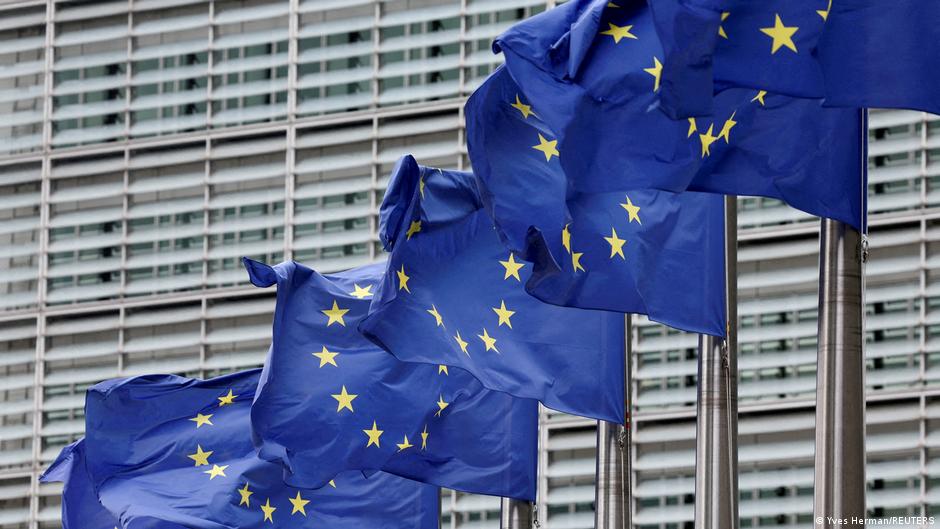
The European Union unveiled a series of measures on Wednesday aimed at combating disinformation and foreign interference in democratic processes, though experts suggest the largely voluntary initiative represents only modest progress toward addressing these growing threats.
The European Commission’s new “democracy shield” policy package includes plans to establish an EU center for “democratic resilience” and increase funding for independent fact-checkers across all languages spoken in the bloc.
European Commissioner Michael McGrath emphasized the urgency of the situation during Wednesday’s press conference. “Disinformation, algorithmic manipulation, financial pressure on media and AI tools now threaten our democratic way of being,” McGrath told reporters, adding that “authoritarian regimes are using hybrid tactics, attacking infrastructure, exploiting migration, manipulating information, deploying criminal networks and interfering in our electoral processes.”
The EU’s digital chief Henna Virukkunen took a more direct approach, explicitly naming Russia as a primary source of “information manipulation and interference” targeting the bloc.
The Commission’s new approach largely builds upon existing frameworks while aiming to improve coordination. A key component involves collaboration with technology companies on a new “incidents and crisis” protocol designed to enable faster government responses when mass disinformation campaigns are detected.
Additional commitments include “reinforced” funding for local and independent media outlets and an assessment of ways to “modernize advertising rules to foster the sustainability of EU media.” However, the centerpiece of the initiative is the counter-disinformation hub, which an EU official indicated should be operational as early as next week.
“The new center should help EU states work together to pre-empt threats and fine-tune responses,” McGrath explained. The initiative will extend beyond current EU members to include candidate countries like Ukraine, Montenegro, and Albania.
“The reality is that as they get closer to EU membership, the intensity of the threat that they face in terms of foreign interference is only going to grow,” McGrath noted. This inclusion acknowledges the significant challenges already facing EU candidates such as Moldova, which experienced widespread election interference earlier this year, including schemes where citizens reportedly received payments from Russia-based banks to post anti-government content online—allegations Moscow has denied.
Despite the initiative’s ambitions, critics point out that its effectiveness may be limited by its voluntary nature. The flagship counter-disinformation center will operate on a non-obligatory basis, meaning EU member states can choose whether to participate.
Policy analyst Luise Quaritsch from the Jacques Delors Centre explained the rationale: “Member states don’t want the European Commission necessarily to be too active in the area of what they perceive as national competence and a matter of sovereignty.”
While acknowledging the plan contains “good ideas,” Quaritsch questioned whether the current approach—which focuses on debunking false narratives spread by bots or “doppelganger” websites mimicking legitimate news sources—might be ineffective. “By the point people have seen them, or by the time fact checking has been added, it’s already too late. People have seen it and it doesn’t really make a difference,” she said.
The Commission carefully emphasized that the democracy shield will not restrict free speech or expression—a message seemingly crafted with American lawmakers in mind. The Trump administration has previously criticized the EU’s digital regulations, with Vice President JD Vance warning earlier this year that “America cannot and will not accept” foreign governments “tightening the screws” on US tech companies.
Wednesday’s announcement notably placed no new legal obligations on technology platforms, instead asking companies like Facebook, TikTok, and Google—voluntary signatories to an EU anti-disinformation code of conduct—to work more proactively with governments.
This approach highlighted the conspicuous absence of X (formerly Twitter), which withdrew from all voluntary EU measures in 2023 under Elon Musk’s leadership. The Commission denied accusations that it has delayed concluding a two-year investigation into X’s potential violations of EU law to appease the Trump administration amid trade and Ukraine support uncertainties.
“The Commission has been enforcing these rules every day,” Virkkunen insisted. “We are also able to conclude some of the investigations in the coming weeks and months. So the work is progressing all the time.”
Reporters Without Borders called for stronger measures than those announced. “It’s time to take back control of the online space, ensuring the algorithms of social media platforms and AI assistants are designed to uphold democratic guarantees by promoting trustworthy news sources,” said Director-General Thibaut Bruttin.
Fact Checker
Verify the accuracy of this article using The Disinformation Commission analysis and real-time sources.

13 Comments
If AISC keeps dropping, this becomes investable for me.
Good point. Watching costs and grades closely.
If AISC keeps dropping, this becomes investable for me.
Good point. Watching costs and grades closely.
Uranium names keep pushing higher—supply still tight into 2026.
Uranium names keep pushing higher—supply still tight into 2026.
I like the balance sheet here—less leverage than peers.
Good point. Watching costs and grades closely.
Good point. Watching costs and grades closely.
The cost guidance is better than expected. If they deliver, the stock could rerate.
Nice to see insider buying—usually a good signal in this space.
I like the balance sheet here—less leverage than peers.
Good point. Watching costs and grades closely.