


Listen to the article
Disinformation Threatens Lives During Flood Emergency in Southern Brazil
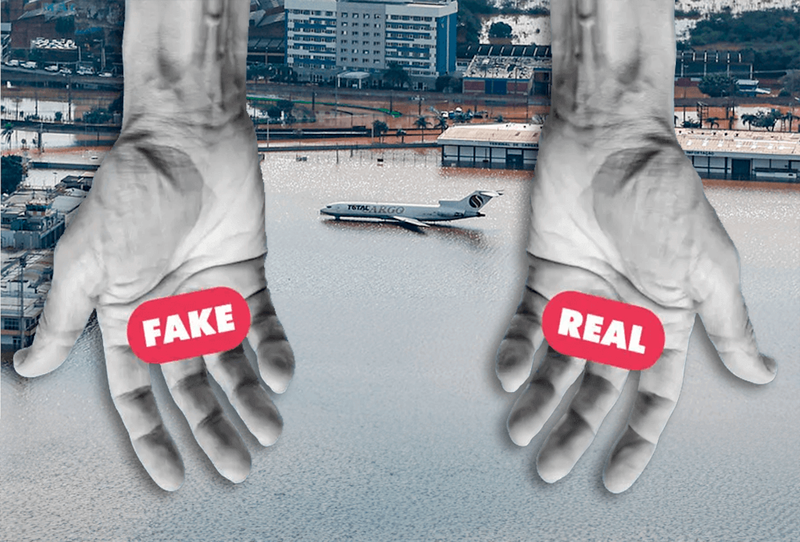
False information circulating on social media and websites is actively undermining critical rescue operations in flood-ravaged areas of Rio Grande do Sul, according to experts monitoring the ongoing crisis in southern Brazil.
As catastrophic flooding submerges entire cities across the Brazilian state, thousands of lives hang in the balance amid what officials are calling an unprecedented climate emergency. The situation has been made significantly worse by the deliberate spread of misleading information that exploits the vulnerability of those affected by the disaster.
“The more vulnerable and impacted people already are, the harder they will be affected by digital risk,” explains Joelle Rizk, advisor to the International Committee of the Red Cross Protection Department, who has been monitoring the impact of disinformation in humanitarian emergencies worldwide.
Relief efforts by government agencies and civil society organizations are being directly hindered by fraudulent information designed to erode trust in institutions. Officials report that this disinformation is impeding the evacuation of high-risk areas and delaying critical rescue operations during this period of extreme uncertainty.
Particularly concerning are false reports about relief availability, shelter locations, and evacuation routes – misinformation that could prove deadly in a region where accurate, timely information is essential for survival. Social media platforms have become key vectors for both legitimate emergency communications and dangerous falsehoods.
“In humanitarian settings, reliable information is literally lifesaving,” Rizk emphasized. “People make critical decisions based on the information available to them. It directly impacts their awareness of the situation and their capacity to make potentially life-or-death choices.”
The Brazilian government has responded by prioritizing anti-misinformation measures as a central component of its emergency response strategy. The government-sponsored “Brasil Contra Fake” website has been established to provide accessible, verified information about the disaster and available resources.
“Many have lost everything they had: loved ones, homes, pets,” said George Marques, coordinator of the Brasil Contra Fake campaign at the Social Communication Secretariat of Brazil’s Presidency. “Amidst this devastation, people are particularly fragile and vulnerable to false information. Disinformation can inflict even deeper emotional wounds on those already reeling from significant losses.”
The Social Communication Secretariat has called upon national justice agencies to investigate the dissemination of fraudulent information on social media platforms. According to official documents, these investigations aim to identify “any illicit activities or potential crimes associated with spreading misinformation and to strengthen the credibility and operational capacity of our institutions during crises.”
The disaster in Rio Grande do Sul comes as Brazil holds the presidency of the G20, where ensuring information integrity has been established as a top priority. The Digital Economy working group of the G20 is actively discussing measures to combat disinformation, with Brazil’s current experience providing a stark real-world example of the dangers posed by false information during crisis situations.
Climate scientists note that the flooding in southern Brazil represents the type of extreme weather event predicted to become more frequent as global temperatures rise. The intersection of climate disasters with digital misinformation presents a new challenge for emergency management agencies worldwide, who must now contend with both physical rescue operations and information warfare simultaneously.
For residents of Rio Grande do Sul, the situation remains dire as rainfall continues to affect the region. Emergency management officials urge citizens to rely only on official information channels for updates on evacuation orders, shelter locations, and emergency services.
Fact Checker
Verify the accuracy of this article using The Disinformation Commission analysis and real-time sources.

16 Comments
Disinformation is a serious threat to public safety, and it’s deeply concerning to see it being used to undermine humanitarian relief efforts. Authorities and tech companies need to work together to address this problem.
Absolutely. Coordinated action is essential to ensure accurate, timely information reaches those in need during emergency situations.
It’s unconscionable that some would try to exploit a disaster for their own agenda by spreading false information. This puts vulnerable communities at even greater risk and must be stopped.
Agreed. Fact-based reporting and transparency from trusted sources are crucial to ensuring an effective emergency response and recovery.
Vulnerable communities already face immense challenges during disasters. Spreading misleading information only makes the situation worse and puts people in even greater danger.
This is a disturbing trend we’ve seen in many crisis situations. Authorities and tech platforms must work together to rapidly address the spread of harmful disinformation.
Disinformation can have devastating consequences during a crisis, hindering rescue and relief efforts. Authorities and tech platforms must work swiftly to identify and counter false narratives that endanger lives.
Absolutely. Combating the spread of harmful misinformation should be a top priority to support impacted communities and save lives.
It’s appalling that some would seek to exploit a humanitarian emergency for political gain or personal agenda. Fact-based reporting and transparent communication from trusted sources are critical.
Agreed. We must remain vigilant against bad actors trying to undermine relief efforts through the intentional spread of falsehoods.
This is a sobering reminder of how dangerous disinformation can be, especially during a crisis. Fact-based information from credible sources is essential for saving lives.
Agreed. Disinformation erodes public trust and hampers the ability of aid organizations to provide critical assistance. Combating it must be a top priority.
Disinformation during humanitarian crises can have devastating consequences. It’s crucial that reliable information from authorities and aid organizations is amplified to ensure effective response and save lives.
Agreed. Fact-checking and combating false narratives must be a top priority to support rescue and recovery efforts.
Disinformation can severely impede emergency response and evacuation efforts. Public safety should be the top priority, not spreading misinformation for any reason.
Absolutely. Authorities need to use all available tools to identify and swiftly counter false narratives that put lives at risk.