


Listen to the article
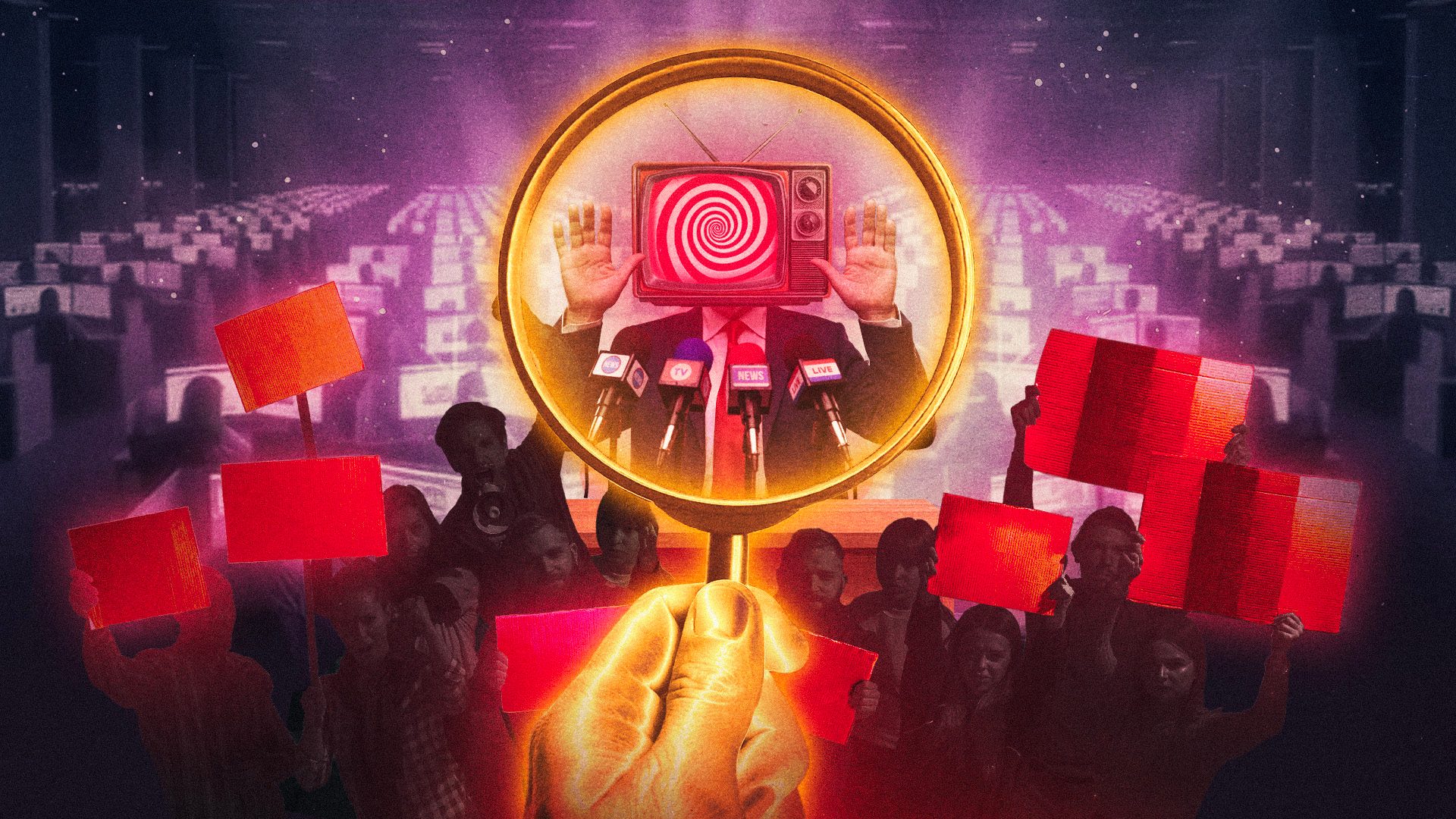
The growing sophistication of disinformation has reached alarming new levels in the Philippines, with Rappler’s fact-checking team documenting an increasingly complex landscape of false information that threatens public discourse and democratic processes.
Throughout 2025, Rappler published 545 fact-checks addressing thousands of false claims that garnered hundreds of thousands of engagements and millions of views across social media platforms. But the volume of disinformation is only part of the story.
“We have moved beyond the era of crude, troll-driven ‘fake news,'” Rappler reports. “Today, we are battling a far more complex disinformation machinery: a vast, organic network of real people swarming to spread lies they genuinely believe to be true.”
This evolution represents a critical shift in how falsehoods propagate. Disinformation is no longer confined to social media but increasingly migrates into offline conversations and community gatherings, fundamentally altering public perception of reality during a crucial election year.
The Duterte family featured prominently in the disinformation landscape, accounting for 28.44% of all fact-checks conducted by Rappler in 2025. Following former President Rodrigo Duterte’s arrest on March 11, a coordinated campaign of false information emerged, portraying him as too frail to withstand trial or confinement by the International Criminal Court (ICC).
An investigation by The Nerve revealed that pro-Duterte networks utilized paid advertisements and coordinated tactics to transform his image “from a legal suspect into a political victim.” These ads, costing between ₱100 and ₱8,999, potentially reached a minimum audience of one million people.
Meanwhile, President Ferdinand Marcos Jr., whose relationship with the Dutertes has deteriorated, faced a different kind of disinformation campaign. False claims about Marcos often centered on alleged coups, impeachment plots, and anti-government rallies. Marcos-related fact-checks made up 11.93% of Rappler’s debunking efforts, securing another top position among disinformation topics.
Technological advancements have further complicated the information landscape. Deepfakes accounted for 6.61% of Rappler’s fact-checks, with many promoting fraudulent “miracle cures” for chronic diseases. These synthetic videos and manipulated audio create a false sense of medical legitimacy, particularly on platforms like TikTok where e-commerce integration allows direct purchasing of unregulated products.
“These products — ranging from fake cancer treatments to unregulated supplements — have not been approved by the Food and Drug Administration, posing severe health risks to a population already vulnerable to medical misinformation,” the report notes.
Financial exploitation represents another significant threat, with approximately 5.32% of Rappler’s fact-checks addressing fake relief aid, fraudulent class suspensions, and false calamity information. Such posts often contain links to phishing sites designed to steal personal and financial data.
The battle against disinformation faces additional challenges following Meta’s 2025 announcement to end third-party fact-checking in the United States. While Meta claims no immediate plans to remove fact-checkers in the Philippines, the decision signals a potential retreat by major tech platforms from combating false information—a particularly concerning development for the Philippines, where social media penetration is high and susceptibility to synthetic content remains significant.
Despite these escalating challenges, Rappler’s fact-checking team remains committed to its mission, strengthened by community partnerships as it enters 2026. The organization continues to encourage the public to report suspicious content, emphasizing the importance of collaborative efforts to safeguard the integrity of the information ecosystem.
As digital deception techniques grow increasingly sophisticated, the role of independent media and vigilant citizens becomes ever more vital in preserving the foundations of democratic discourse and protecting public understanding of critical social, political, and health issues.
Fact Checker
Verify the accuracy of this article using The Disinformation Commission analysis and real-time sources.

14 Comments
The prominence of the Duterte family in this disinformation landscape is concerning. We must scrutinize the motivations and sources behind the spread of false claims, especially around politically charged issues.
Agreed. Understanding the actors and networks driving the dissemination of misinformation will help us develop more effective countermeasures. Transparency and accountability will be essential.
The scale of the disinformation problem, with thousands of false claims garnering millions of views, is staggering. Fact-checking efforts alone may not be enough – we need a comprehensive strategy to build resilience against these threats.
I agree. Strengthening digital literacy, promoting source verification, and empowering citizens to be critical consumers of information should all be part of the solution. This is a complex challenge that requires a multi-faceted approach.
The growing sophistication of disinformation is certainly concerning. We need to be vigilant in scrutinizing online information and fact-checking claims, especially around important events like elections.
I agree, the shift towards more organic, grassroots spread of misinformation is particularly worrying. We must find ways to promote media literacy and critical thinking to combat this threat to public discourse.
It’s troubling to see disinformation tactics evolving to infiltrate offline conversations and sway public perceptions. Fact-checking efforts like Rappler’s are crucial, but we’ll need a multi-pronged approach to address this complex challenge.
Absolutely. Raising awareness and equipping the public with the tools to identify and resist disinformation will be key. Collaboration between media, tech companies, and civic institutions will be vital.
The migration of disinformation from social media to offline spaces is a worrying development. Fact-checking and public education initiatives will be crucial, but we may also need to explore technological and regulatory solutions to stem the tide of falsehoods.
Absolutely. Collaboration between technology companies, policymakers, and civil society will be essential in developing effective and balanced responses to this evolving threat to our shared reality.
This evolution of disinformation tactics, from social media to offline channels, is a worrying development that threatens to further polarize and divide communities. Fact-based, evidence-driven discourse must be the foundation of a healthy democracy.
Precisely. Restoring trust in institutions, media, and reliable information sources will be crucial in combating the spread of misinformation and preserving our shared understanding of reality.
This report highlights the alarming sophistication and reach of disinformation campaigns. Promoting media literacy, strengthening fact-checking efforts, and fostering critical thinking will be vital in empowering citizens to navigate this complex information landscape.
I agree. Combating disinformation requires a multifaceted approach that addresses both the supply and demand side of the problem. Collective action and a commitment to truth and transparency will be crucial in this effort.