


Listen to the article
Information Warfare Threatens Philippine Democracy as Trust Erodes
The front lines of Philippine national security have shifted dramatically from physical borders to the digital realm, where coordinated disinformation campaigns and foreign information manipulation pose growing threats to national stability. According to experts, these efforts target what researchers call the “trinity of trust” – the confidence Filipinos place in society, authority, and democratic institutions.
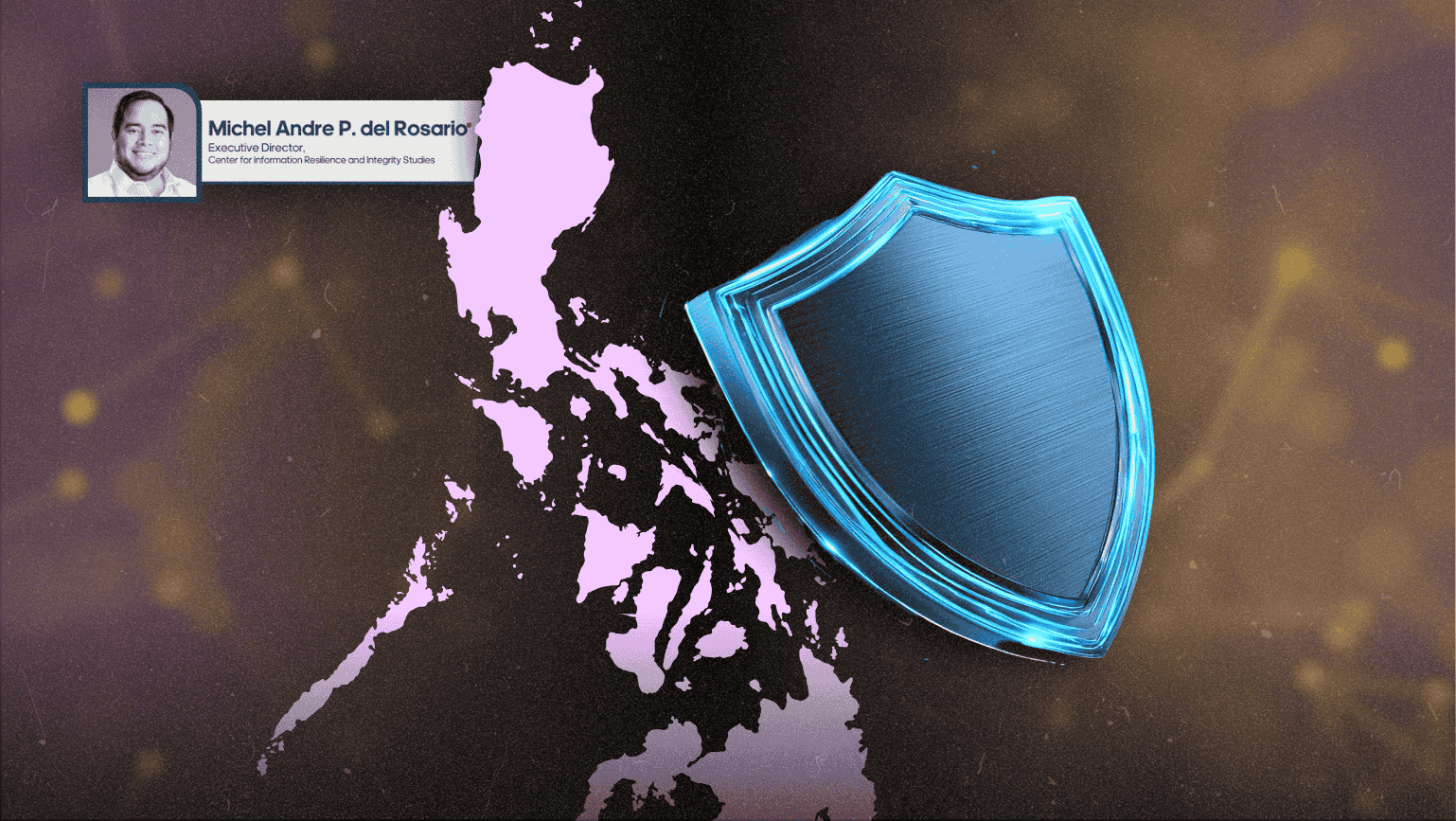
Michel Andre P. del Rosario, Executive Director of the Center for Information Resilience and Integrity Studies (CIRIS), warns that when these pillars of trust are undermined simultaneously, nations become “easier to divide, deceive, and destabilize.”
The 2024 Philippine Trust Study reveals that Filipinos are increasingly skeptical, participating in what researchers describe as an “accountability revolution.” Citizens no longer grant trust automatically to institutions or authorities but expect transparency, competence, and consistency before extending their confidence.
“That is healthy—but it also means that when foreign information manipulation and interference strike, they are attacking a landscape where trust is already under strain,” del Rosario explains.
The concept of “kapwa,” a uniquely Filipino understanding of shared identity that undergirds community solidarity, has become collateral damage in these information operations. Online campaigns systematically label journalists as “bayaran” (paid hacks), critics as either “dilawan” (yellows) or “loyalista” (loyalists), and West Philippine Sea advocates as warmongers.
Research on the Philippine infodemic shows how content farms deliberately inject polarizing frames to maintain a climate of outrage and suspicion. The resulting erosion of societal trust creates an environment where, as del Rosario notes, “fact-checking alone cannot fix the problem” because “a debunked lie still leaves behind resentment.”
The shift in attitudes toward authority represents another vulnerability. Filipinos have moved from a “trust us” mindset to a “prove it” stance, demanding that leaders demonstrate competence through visible, accountable actions rather than rhetoric.
Foreign information operations exploit this by amplifying government missteps and promoting narratives that paint Philippine leaders as either reckless or compromised, particularly regarding West Philippine Sea policies. “In an age of information warfare, legitimacy must be demonstrated, not demanded,” del Rosario emphasizes.
Perhaps most concerning is the systematic attack on democratic institutions themselves. Disinformation campaigns routinely frame elections as rigged, courts as corrupt, and media outlets as foreign agents. Once such beliefs take hold, citizens become susceptible to anti-democratic alternatives—”the ultimate victory for malign actors.”
CIRIS proposes an “ARM-framework” to counter these threats: Awareness, Resilience, and Motivation. This approach combines investigative journalism and transparent government communications with capacity-building in media literacy and critical thinking, while recognizing and supporting “information first responders” who choose integrity over virality.
The Philippines can draw lessons from other democracies facing similar challenges. Taiwan, confronting what may be the world’s most intense disinformation environment—over 45,000 inauthentic accounts and 2.3 million pieces of disinformation in 2025 alone—has developed “whole-of-society resilience” by coordinating rapid government clarifications while empowering civil society groups to train citizens in recognizing manipulation.
Canada’s experience offers different insights. The country’s 2024-2025 Foreign Interference Commission identified disinformation as “the single biggest risk to Canadian democracy,” but officials often withheld warnings out of fear they might create more distrust—a strategy that ultimately backfired. Canada’s Bill C-70 created comprehensive foreign interference registration requirements, but gaps remain in public engagement.
Both countries demonstrate that effective defense against information warfare requires empowering citizens rather than expanding state censorship. Whether through Taiwan’s citizen-tech initiatives or Canada’s independent research institutions, the most successful approaches distribute awareness and agency throughout society.
“Defending the trinity of trust is not just the government’s job,” del Rosario concludes. “It is about everyday choices” in what we share online and how we discuss authority and institutions. The challenge for the Philippines is to foster citizens who think critically, media that verify responsibly, institutions that communicate truthfully, and communities that stand together against manipulation.
Fact Checker
Verify the accuracy of this article using The Disinformation Commission analysis and real-time sources.

8 Comments
This is an important issue for the Philippines. Maintaining public trust in democratic institutions is vital for a healthy society, especially when facing disinformation campaigns. It will be interesting to see how the government and civil society respond to these challenges.
Agreed. Rebuilding trust takes time and consistent effort from all stakeholders. Transparency and accountability from authorities will be key in this process.
The ‘trinity of trust’ concept is a useful framework for analyzing the erosion of public confidence. I wonder what specific steps the government and media are taking to address the ‘accountability revolution’ mentioned in the article.
That’s a good question. Strengthening fact-based journalism and civic education initiatives could be important parts of the solution.
This article highlights the delicate balance between public trust and accountability. Filipinos seem to be demanding more from their leaders, which is a positive sign for the health of their democracy. Maintaining that balance will be critical.
Absolutely. An engaged and discerning citizenry is essential for a robust democracy, even if it means more scrutiny of those in power.
The ‘trinity of trust’ concept is an insightful way to frame the current challenges facing the Philippines. Restoring confidence in societal, authority, and democratic institutions will require a multi-faceted approach from all stakeholders.
It’s concerning to hear about the threats of foreign information manipulation targeting the Philippines. Protecting democratic institutions and fostering civic engagement will be crucial in combating these challenges.